The rapid advancement of Artificial Intelligence (AI) technologies, particularly Generative AI, is reshaping organisational landscapes significantly. With AI's potential to enhance productivity and operational efficiency in the workplace, it simultaneously introduces innovative security challenges distinct from the traditional static applications used in the past. This duality creates a pressing need for security protocols to evolve at a pace that matches the technological advancements.
Generative AI applications differ fundamentally from traditional software, as they are designed not to execute identical outputs when prompted with the same queries repeatedly—a concept that can be illustrated through tasks such as image generation. For instance, a command to “draw a picture of a kitten in a security guard uniform” will not yield identical results across multiple iterations, though themes will remain consistent. While this aspect of AI brings new value to businesses through tailored and novel solutions, it also complicates existing security frameworks, making conventional security controls less effective.
One of the profound shifts noted with Generative AI is its impact on existing data governance challenges. Organisations are increasingly recognising the heightened importance of data security as AI technology amplifies these issues. Many companies have previously deprioritised data classification and tagging, which has now become critical to deploying AI solutions without compromising sensitive data. Moreover, as Generative AI extracts valuable insights from complex data sets, it inherently raises the stakes for data protection, thus creating more attractive targets for cyber attackers.
Addressing these security challenges necessitates a shared responsibility model between AI providers and users, much akin to cloud services. This model ensures that security roles are clearly delineated, whether concerning the AI platform itself or its application in specific organisational contexts. Organisations must implement precise application controls to govern what data these models can access and how they are allowed to function, thereby driving secure and reliable outcomes.
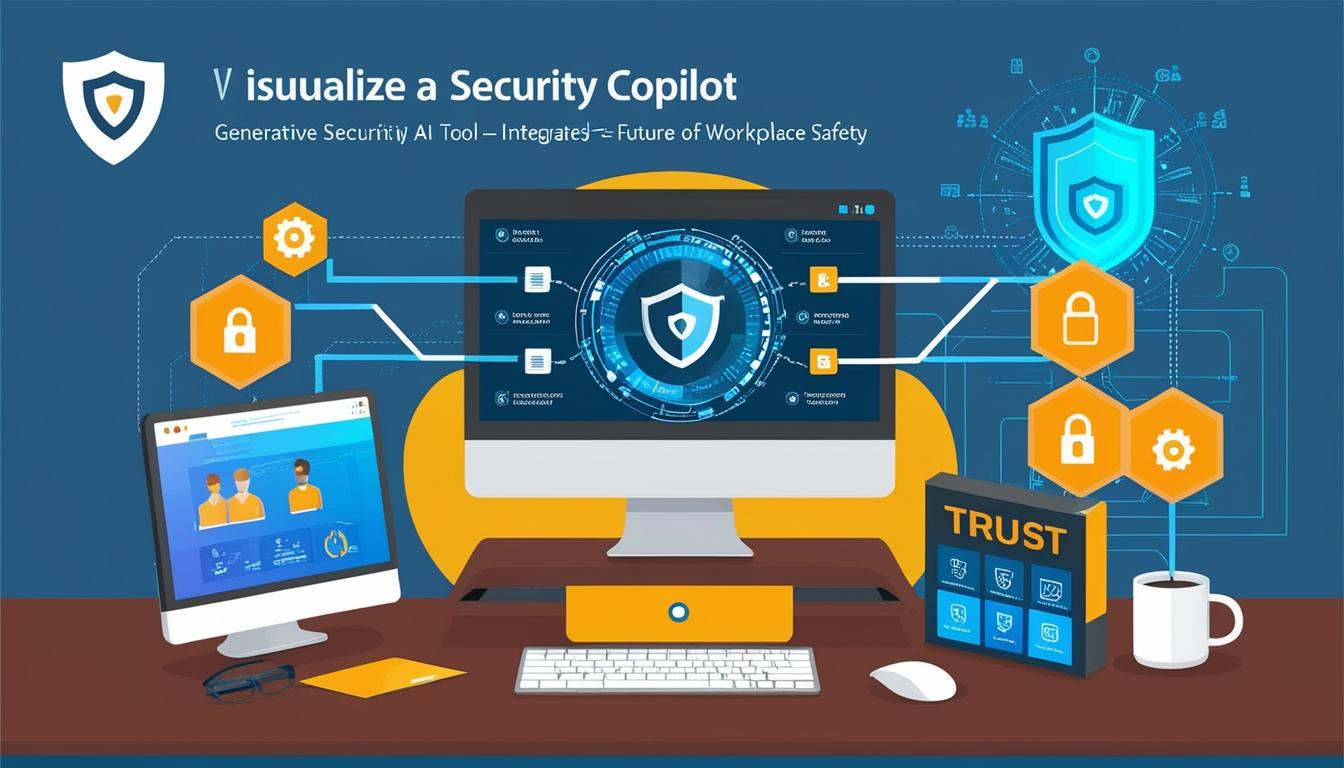
Microsoft’s introduction of Security Copilot exemplifies how organisations can leverage AI efficiently. This tool boosts specific security operations such as guiding incident response, analysing impacts, automating tasks, and deciphering attacker scripts. Such AI-driven tools offer significant benefits in managing security workflows but also underscore the necessity of integrating AI with existing security frameworks to maximise efficacy.
To address the intricacies linked with the AI evolution, a concept known as Zero Trust has emerged as a viable security strategy. Zero Trust focuses on an asset-centric and data-centric approach, moving beyond the traditional network security perimeter to provide a comprehensive shield aligned with the intricate demands of modern digital environments. This principle-driven approach aids organisations in navigating complex security landscapes, which have become increasingly sophisticated with the advent of AI.
Zero Trust not only secures AI applications and underlying data but also assists in the broader scope of accelerating security modernisation. By enhancing security automation and providing deep insights and expertise, AI facilitates a seamless integration with Zero Trust. This dynamic relationship encourages both secure data handling and agile business innovations.
In conclusion, while AI presents remarkable opportunities in transforming business capabilities, it also requires equally significant attention towards evolving security strategies. Implementing and balancing such strategies to safely harness AI’s transformative potential will remain a pivotal consideration for organisations worldwide.
Source: Noah Wire Services