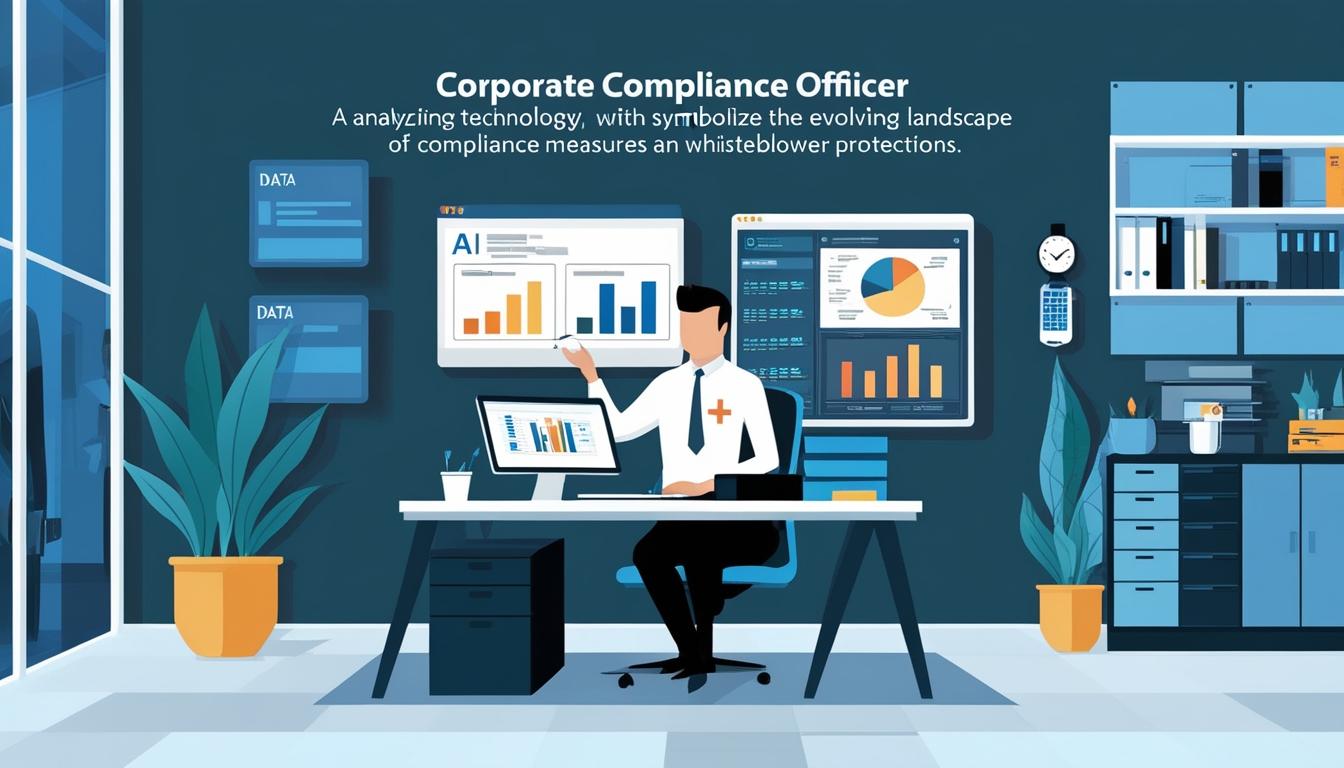
The landscape of corporate compliance in the United States is undergoing significant evolution with recent updates from the Department of Justice (DOJ). These developments have drawn interest from within the compliance community, notably featured in a recent episode of the Great Women in Compliance podcast, hosted by Hemma Lomax and Lisa Fine.
The DOJ has quietly updated its guidance on the evaluation of corporate compliance programs originally published in March 2023. This update emphasizes the influence of emerging technologies and the use of data in assessing the effectiveness of corporate compliance strategies. In a discussion involving experts Jane Norberg of Arnold & Porter and Mary Inman from Whistleblower Partners, the implications of these updates were explored with reference to their experiences and expertise in corporate whistleblowing.
Among the key features of the updated guidance is an enhanced focus on artificial intelligence (AI) and other emerging technologies. The DOJ instructs prosecutors to assess how corporations manage risks associated with these technologies, including whether policies are updated to handle new threats and developments. The updated guidance also contains a more detailed inquiry into whistleblower protection measures, underlining the significance of robust anti-retaliation policies.
The podcast episode shed light on the recently launched DOJ Whistleblower Pilot Program, examining its similarities and distinctions from previous initiatives like the U.S. Securities and Exchange Commission (SEC) programs. A focal point of discussion was the 120-day requirement for reporting issues, a stipulation that could pose challenges for timely and effective reporting. The program's comparative evaluation against existing structures within the SEC and the DOJ's broader compliance guidance was critically appraised by Norberg and Inman.
Furthermore, the updated DOJ guidance highlights adjustments concerning mergers and acquisitions. It includes expanded questions on evaluating compliance integration post-transaction, aiming to ensure compliance programs are effectively merged and aligned after corporate transactions.
In addition, the guidance directs prosecutors to scrutinise whether corporate compliance programs are sufficiently resourced and empowered. This includes evaluating whether data resources are leveraged effectively and whether firms allocate resources proportionately across different business functions. Such measures reinforce the DOJ’s emphasis on data-driven insights and transparency in compliance practices.
The updated guidance involves a novel emphasis on the practical effectiveness of compliance programs. It suggests the need for companies to utilise qualitative data to assess the real-world effectiveness of their compliance efforts, accounting for the impact of technologies like AI on these programs. The DOJ underscores the importance of regular monitoring and testing of such technologies to ensure continued compliance with corporate codes of conduct.
These changes come at a time when compliance programs, particularly within the life sciences and healthcare sectors, are under heightened scrutiny. The Office of Inspector General for the Department of Health and Human Services also plans to release updated guidance documents in late 2024, suggesting a coordinated effort to strengthen compliance frameworks across different sectors.
In conclusion, the DOJ's recent updates reflect a significant shift towards integrating technology and data analytics into corporate compliance programs. As organisations navigate these changes, the insights from industry professionals like Norberg and Inman can prove invaluable in fostering robust compliance environments. With emerging technologies reshaping the corporate world, these updates underscore the necessity for adaptive and forward-thinking compliance strategies.
Source: Noah Wire Services