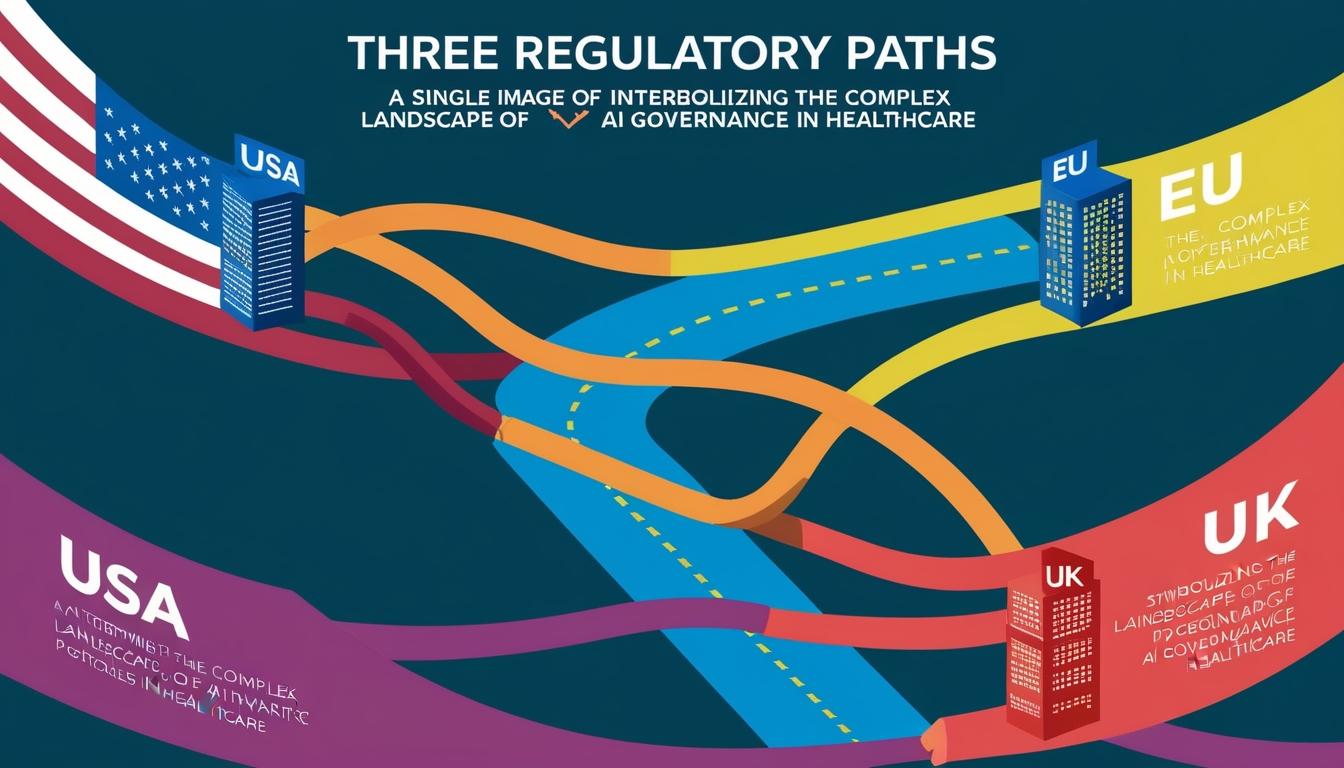
In a recent webinar examining the complexities of regulating artificial intelligence (AI) in medical products, expert panellists explored the varying regulatory approaches adopted by the United States, European Union (EU), and the United Kingdom (UK). As AI continues to revolutionise the medical field by enhancing diagnostic tools, personalising treatment plans, and improving operational efficiencies in healthcare services, the regulatory frameworks governing its deployment remain under intense scrutiny.
The focus of the discussion was to understand the regional challenges that each jurisdiction faces as they strive to balance innovation with safety and effectiveness. In the United States, the Food and Drug Administration (FDA) has been at the forefront of establishing guidelines that aim to standardise AI applications in healthcare. The FDA’s approach often leans towards a risk-based framework, which assesses AI systems based on their intended use and potential risks to patients. This has paved the way for numerous AI-driven devices to receive clearance or approval, although some critics argue that clearer directives are required to ensure long-term safety and efficacy.
Conversely, the European Union has adopted a more stringent regulatory stance through the implementation of the Medical Device Regulation (MDR) and In Vitro Diagnostic Regulation (IVDR). These regulations have extended their scope to include software as an active medical device, thereby impacting AI applications in healthcare. Compliance with the MDR and IVDR requires extensive documentation and evaluation processes, often leading to longer timelines before AI products can enter the market. This rigorous approach is designed to ensure that any AI-driven medical product meets high safety and performance standards before being approved for clinical use.
The United Kingdom, following Brexit, stands at a crossroads, navigating its own regulatory path while considering both US and EU strategies. The UK's Medicines and Healthcare products Regulatory Agency (MHRA) is actively working on a post-Brexit regulatory framework that integrates principles from both jurisdictions while tailoring them to the specific needs of the UK market. The MHRA aims to promote a pro-innovation culture while ensuring that patient safety remains a priority.
Throughout the webinar, industry experts and regulatory professionals debated the benefits and drawbacks of each approach, considering how these systems could adapt to the rapidly evolving landscape of AI technology. They highlighted the importance of international collaboration and the potential need for harmonised standards that could facilitate cross-border healthcare innovation without compromising patient safety.
The webinar concluded with an open discussion on upcoming legislative changes and the potential impact of emerging technologies on current regulatory frameworks. Participants emphasised the necessity for continuous dialogue among stakeholders, including regulators, healthcare providers, and technology developers, to foster an environment where AI can thrive responsibly in the medical sector.
This examination of regional regulatory challenges underscores the complexity involved in governing AI in medicine. As technological advancements continue to reshape healthcare, ensuring the responsible integration of AI remains a critical global issue.
Source: Noah Wire Services