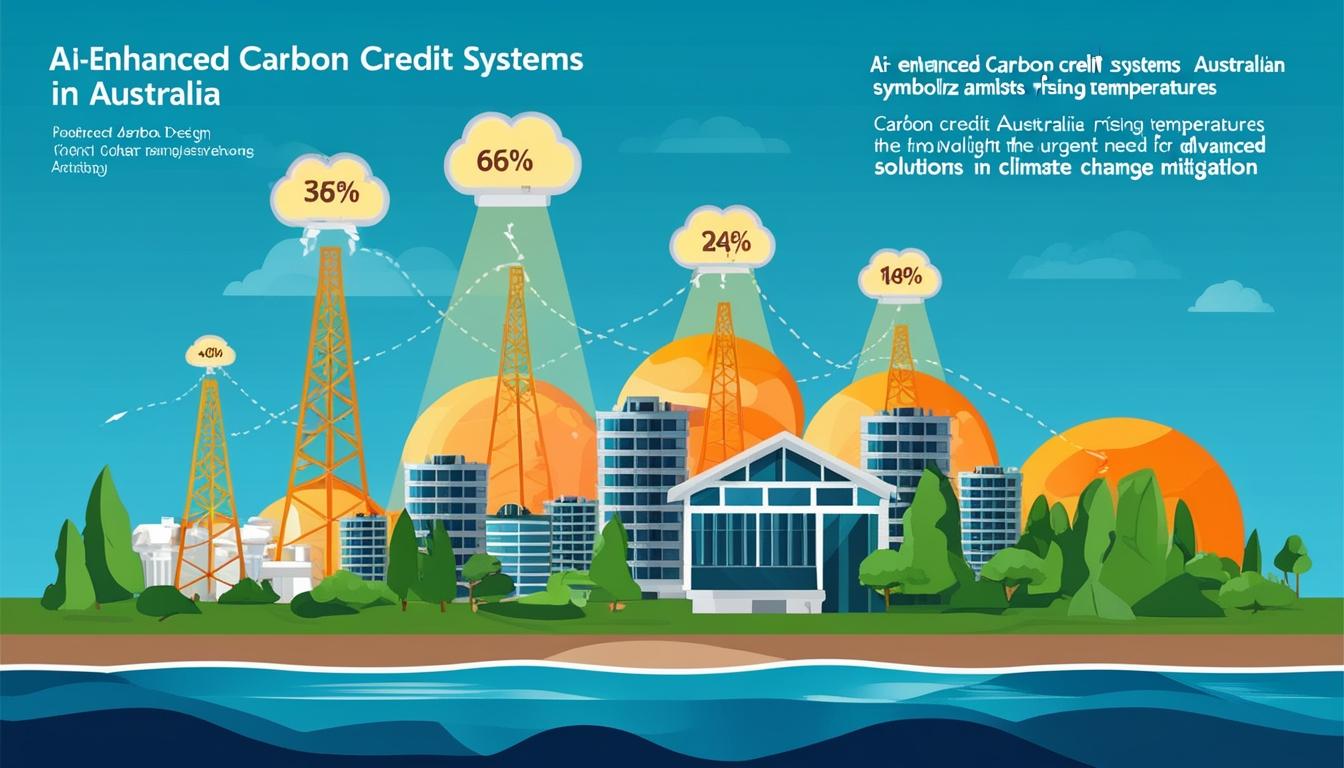
Rising Temperatures and Advances in Technology Highlight Evolving Climate Landscape in Australia
Australia is witnessing significant climatic changes, as confirmed by the latest "State of the Climate" report, which shows the country's average temperatures have risen by 1.5 degrees Celsius since records began. This development places Australia in the line of nations experiencing accelerated impacts of climate change, prompting increased attention on carbon management and technological solutions within the voluntary carbon market (VCM).
The report underscores the changing climatic conditions and the growing challenge of mitigating the impacts through robust policy frameworks and innovation. To this end, there has been a marked increase in the issuance of Australian Carbon Credit Units (ACCUs) by the Clean Energy Regulator. This indicates a growing commitment to carbon management strategies aimed at reducing Australia’s overall carbon footprint and enhancing environmental stewardship.
In light of these events, there is a call within the carbon management sector for the faster integration of artificial intelligence into methodologies and monitoring systems. A CEO from the technology sector involved in VCM operations has emphasised the need for mainstream registries to adopt AI technologies. The integration of AI is viewed as a critical step to increase the efficiency and speed of carbon credit processes, which could be transformative in managing emissions and achieving climate targets with greater precision.
AI technology is poised to play a crucial role in streamlining complex processes associated with carbon credit accounting and verification. By enhancing data accuracy and analysis, AI can facilitate more responsive and effective carbon markets. This technological adoption is increasingly viewed as essential by stakeholders who are navigating a rapidly changing environmental and regulatory landscape.
In this climate context, the business sector, particularly those engaged in carbon offsets and credit trading, is urged to explore advanced technological solutions. These solutions are expected to pave the way for improved methodologies that can cope with the heightened demand for carbon accounting and achieve significant environmental outcomes.
However, despite these technological advancements and regulatory measures, Australia continues to grapple with the broader impacts of climate change. The rise in average temperatures is a stark reminder of the urgency for comprehensive strategies that balance environmental, economic, and social considerations.
As stakeholders continue to adapt and respond to these challenges, the focus remains on balancing immediate action with long-term sustainability. The evolving dynamics within the carbon market and broader policy initiatives will play a pivotal role in shaping Australia's response to climate change as it seeks to fulfil both national and international environmental commitments.
Source: Noah Wire Services