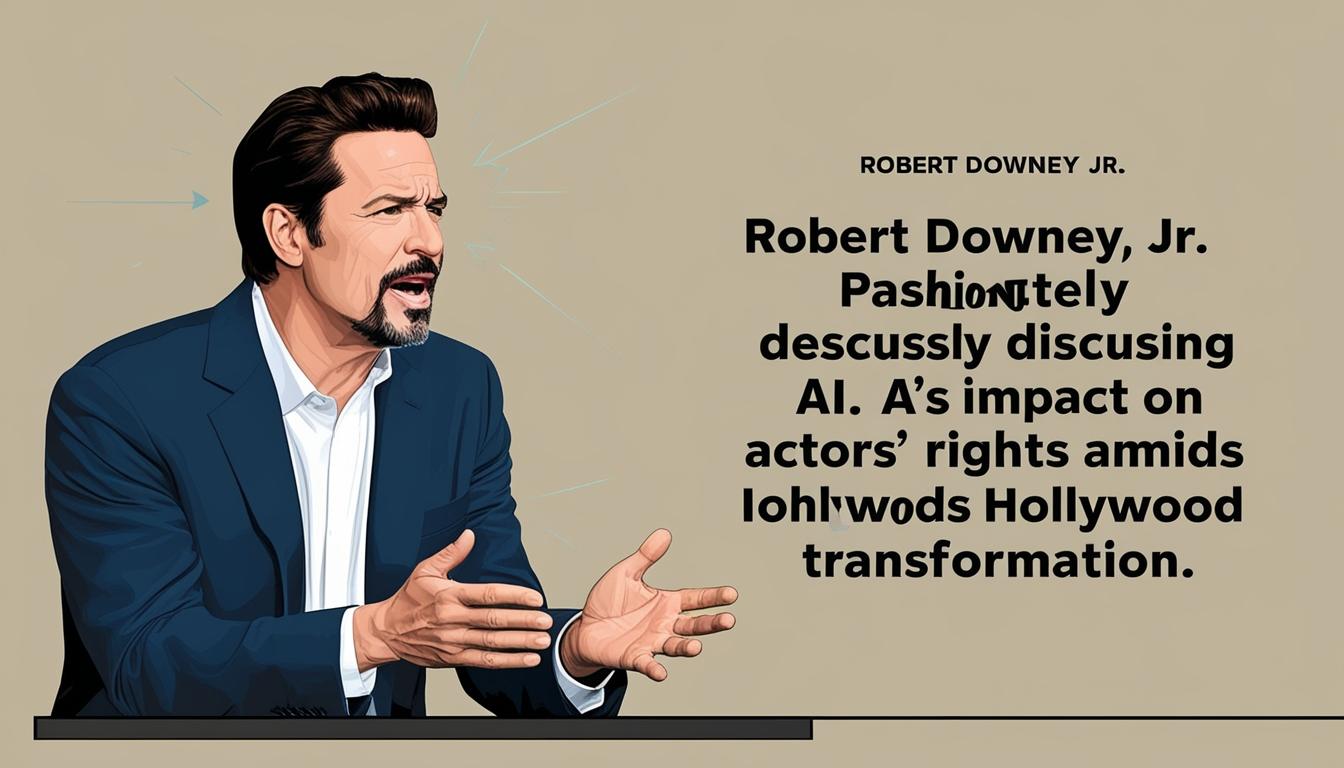
Robert Downey Jr. Addresses AI Concerns Amid Hollywood's Ongoing Struggles
In a recent candid discussion on the "On With Kara Swisher" podcast, renowned actor Robert Downey Jr. addressed the potentially contentious issue of actors' digital likenesses being recreated using artificial intelligence. On a broader stage, the issue is stirring significant debate in Hollywood, especially given the current technological advancements and disputes over AI's role in the entertainment industry.
During the podcast, the actor, who gained international fame portraying Tony Stark, also known as Iron Man, in Marvel films, expressed concerns about his likeness being replicated by AI technology posthumously. Downey, known for his forthrightness, stated that he would legally challenge any such attempts by future executives to recreate his portrayal using AI. He expressed confidence that current executives at Marvel would not entertain such a move, highlighting their decision-making roles. However, he acknowledged that these executives would be succeeded by others in the future. "I would like to here state that I intend to sue all future executives just on spec," he remarked humorously in the conversation.
This discussion comes at a time when concerns about AI and digital replication are prevalent in Hollywood and beyond. Video game performers are currently striking after prolonged negotiations with industry giants over AI protections failed to produce a new agreement. This strike emphasises the broader concerns within the Screen Actors Guild-American Federation of Television and Radio Artists (SAG-AFTRA), which regards AI-related issues as an existential threat to performers' rights. The topic has already influenced last year’s significant film and television strikes by the union, leading to a new deal that necessitates actors' informed consent for using their digital replicas.
Furthermore, California has implemented legal measures to protect performers’ digital likenesses. A law, recently signed by Governor Gavin Newsom and sponsored by SAG-AFTRA, prohibits the unauthorised replication of a deceased performer's likeness without prior consent. This move highlights the industry's growing acknowledgment of the complexities surrounding AI and performers' rights.
Simultaneously, Downey is exploring these themes of AI and artistic integrity in his recent Broadway debut in "McNeal," a play by Ayad Akhtar. The play addresses issues such as plagiarism, copyright infringement, and the ethical dimensions of AI. Downey plays Jacob McNeal, a novelist whose struggles with personal demons form the crux of the narrative. Downey commented on the challenges faced by individuals closely associated with the digital age, stating, "I don’t envy anyone who has been over-identified with the advent of this new phase of the information age."
The podcast further delved into themes of truth and power in the AI era, posing questions about a possible "social contract" governing AI use. Such discussions are becoming increasingly pertinent in an industry finding its way amidst digital evolution.
In another exciting development for fans, Robert Downey Jr. is set to return to the Marvel Cinematic Universe. He will take on a new role as Doctor Doom in the upcoming 2026 film "Avengers: Doomsday,” promising a new chapter in his longstanding association with the franchise.
As both Hollywood and the wider world grapple with the implications of AI, conversations like the one Downey participated in underscore the ongoing dialogue about technology’s role in shaping the future of creative and performance industries.
Source: Noah Wire Services