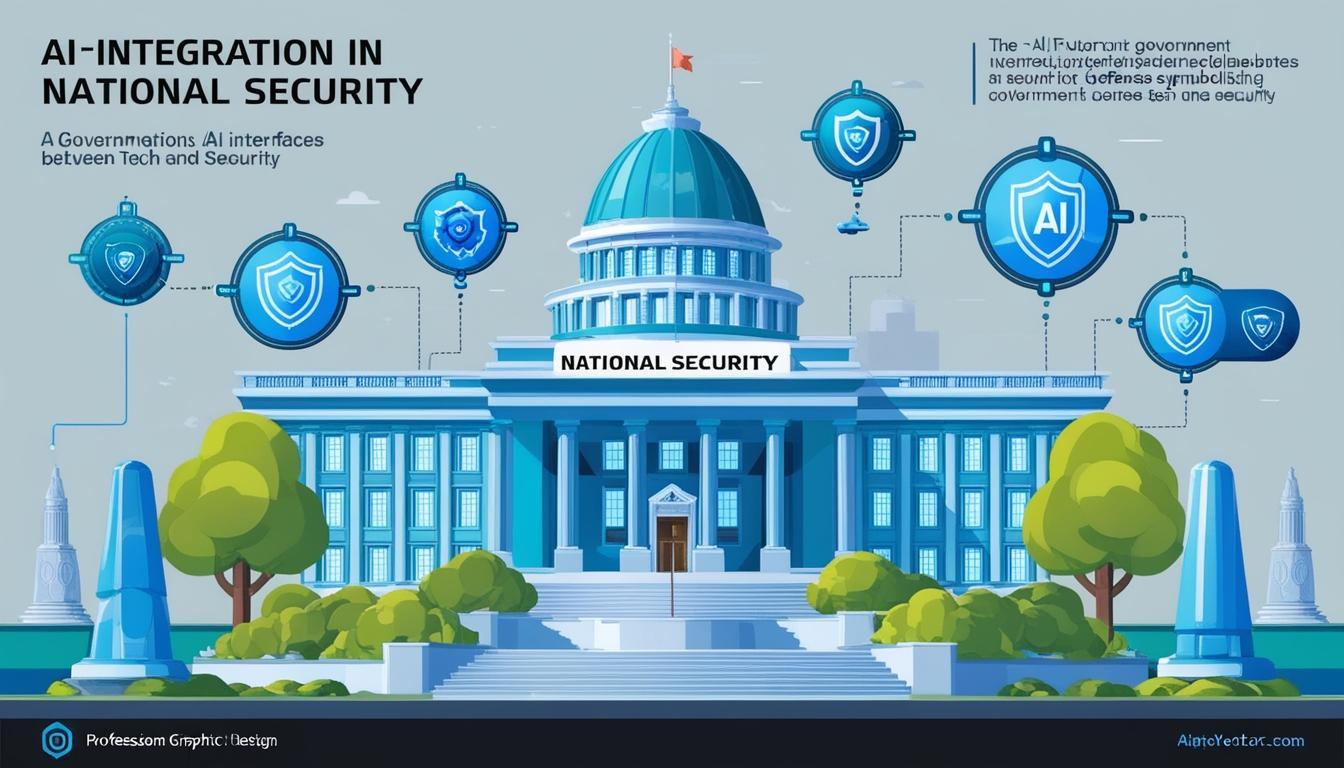
Biden Administration Unveils Strategic AI Integration Plan for National Security
Washington, D.C. - On 24th October 2024, the Biden Administration published a memorandum aimed at advancing the United States' leadership in artificial intelligence (AI) with particular focus on enhancing national security through AI integration. Titled "Advancing the United States' Leadership in Artificial Intelligence; Harnessing Artificial Intelligence to Fulfill National Security Objectives; and Fostering the Safety, Security, and Trustworthiness of Artificial Intelligence" (October 2024 Memo), the document outlines a strategic plan for embedding AI technologies within various governmental functions, particularly those related to national security.
The memorandum builds on a series of prior initiatives, including the March 2024 directive on establishing governance and risk management frameworks for AI utilisation within federal agencies, and the September 2024 memorandum that dealt with responsible AI acquisitions. These documents all follow the broader October 2023 Executive Order 14110, which set forth goals for developing and deploying AI responsibly and securely across governmental operations.
Key Agencies and Investment Plans
Significantly, the October 2024 Memo details targeted public investments in AI across key sectors, naming the Department of State, Department of Defense, Department of Energy, Department of Commerce, and the U.S. Intelligence Community as primary actors. These entities are tasked with advancing strategic AI technologies both domestically and internationally. As these departments begin integrating AI into their frameworks, new federal contracts are anticipated to be issued, presenting fresh opportunities for both established contractors and new entrants specialising in AI solutions.
Strategic Directions and Expectations for Contractors
For contractors eyeing this burgeoning market, staying updated with federal policy changes will be critical. The upcoming National Security Strategy, National Defense Strategy, and National Intelligence Strategy documents are expected to provide further insights into federal AI investments, influencing how contractors plan and allocate resources. Similarly, future National Defense Authorization Acts and Intelligence Authorization Acts will offer routes for strategic business decisions aligning with government priorities.
Procurement and Compliance Evolution
The memo suggests changes in procurement approaches, indicating more extensive use of AI by departments like Energy and Intelligence, especially in infrastructural projects. This could lead to an increased need for contractors to adapt or expand their capabilities to include infrastructure that supports AI integration.
Additionally, the memo highlights the need for government contractors to recruit top-tier talent in AI, noting a focus on streamlining visas and processes to attract global expertise. As the competition for AI talent intensifies, contractors are expected to develop strategic recruitment and retention plans.
Moreover, as AI solutions are adopted, significant changes in compliance regimes are anticipated. Notable areas for adaptation include addressing exploitation threats from strategic competitors, safeguarding intellectual property within the supply chain, and meeting cybersecurity requirements.
In conclusion, the October 2024 Memo marks a significant shift in how the United States government plans to incorporate AI into national security efforts, paving the way for a new era in federal procurement and technological advancement. The outlined strategy not only underscores the importance of AI in future security frameworks but also sets the stage for increased collaboration between governmental bodies and the private tech sector.
Source: Noah Wire Services