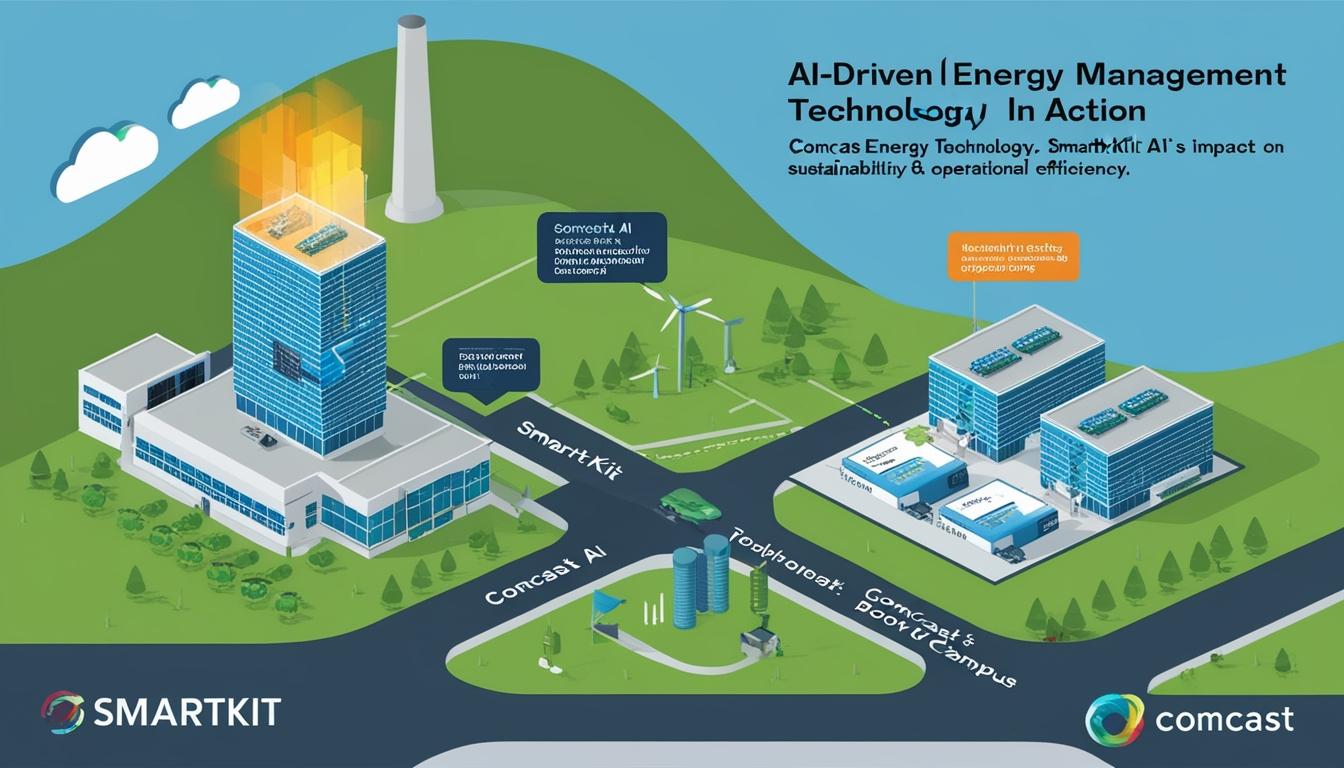
Comcast Implements AI-Driven Energy Management Solutions at Boot Road Campus
Comcast has taken significant strides towards energy efficiency and sustainability at its Boot Road campus in West Chester, Pennsylvania, through the integration of AI-powered solutions. The campus, encompassing data centres, engineering departments, and various back-office operations, has traditionally been a substantial consumer of energy. Recognizing the imperative of reducing carbon emissions and operational costs, Comcast has turned to its own division, Comcast Smart Solutions (CSS), to devise an innovative strategy aimed at optimizing energy use across the facility.
The Boot Road campus, consisting of three buildings, embarked on an ambitious project to transform into a model of energy efficiency. Under the leadership of Billy Osborne, Comcast's director of facilities and workplace, and in collaboration with CSS and Logical Buildings, a leading energy monitoring provider, the campus underwent a comprehensive energy audit. The audit helped pinpoint areas of high energy consumption and highlight potential for improvement.
Central to this transformation is the deployment of SmartKit AI, a cutting-edge platform for Real-Time Energy Management (RTEM). This platform provides a detailed overview of the building's energy dynamics, offering capabilities such as HVAC control optimization, preventative maintenance alerts, and energy anomaly detection. The system also facilitates cost management by adjusting HVAC setpoints and comparing energy usage forecasts, enabling the campus to curb unnecessary expenditure on energy.
The integration of SmartKit AI extends beyond mere monitoring; it employs predictive analytics to furnish building managers with actionable insights. This empowers them to identify conservation opportunities and implement cost-saving strategies effectively. Real-time meter monitoring and Internet of Things (IoT) sensor management further bolster the facility's operational oversight, granting managers enhanced control over energy usage patterns.
The installation process saw the deployment of over 150 wireless Current Transformers (CTs), LoRaWAN gateways provided by MachineQ—a Comcast company—, and indoor air quality sensors. Together with Logical Buildings' comprehensive platform, these technologies offer granular data on energy usage across the campus. This data allows facility managers to identify unexpected energy consumption patterns, especially during weekends, and adjust operations accordingly. Such insights have revealed specific areas and activities driving energy use, enabling the team to strategise more efficient solutions.
Training was a critical component of the transition, with Comcast Smart Solutions and Logical Buildings collaborating to educate on-site staff on leveraging the SmartKit AI platform. This equipped the team to make informed decisions and streamline building management processes confidently. As a result, Osborne and his team are now positioned to delve deeper into optimizing energy use, exploring adjustments such as tweaking temperature and lighting schedules based on occupancy.
The project's success at Boot Road underscores the importance and feasibility of implementing advanced energy management systems in achieving sustainability goals. With enhanced visibility into energy consumption, the campus can now effectively manage carbon emissions and operational efficiency. Osborne notes that the ease of this implementation has opened avenues for scalable solutions across other critical environments and high-demand sites within Comcast's operations.
This move towards digital transformation in building management aligns with a broader corporate and environmental strategy that stresses responsible energy management as a pivotal advantage. As organizations increasingly prioritise energy efficiency, initiatives like Comcast's at Boot Road exemplify the potential for significant operational savings and sustainable success in the corporate sector.
Source: Noah Wire Services