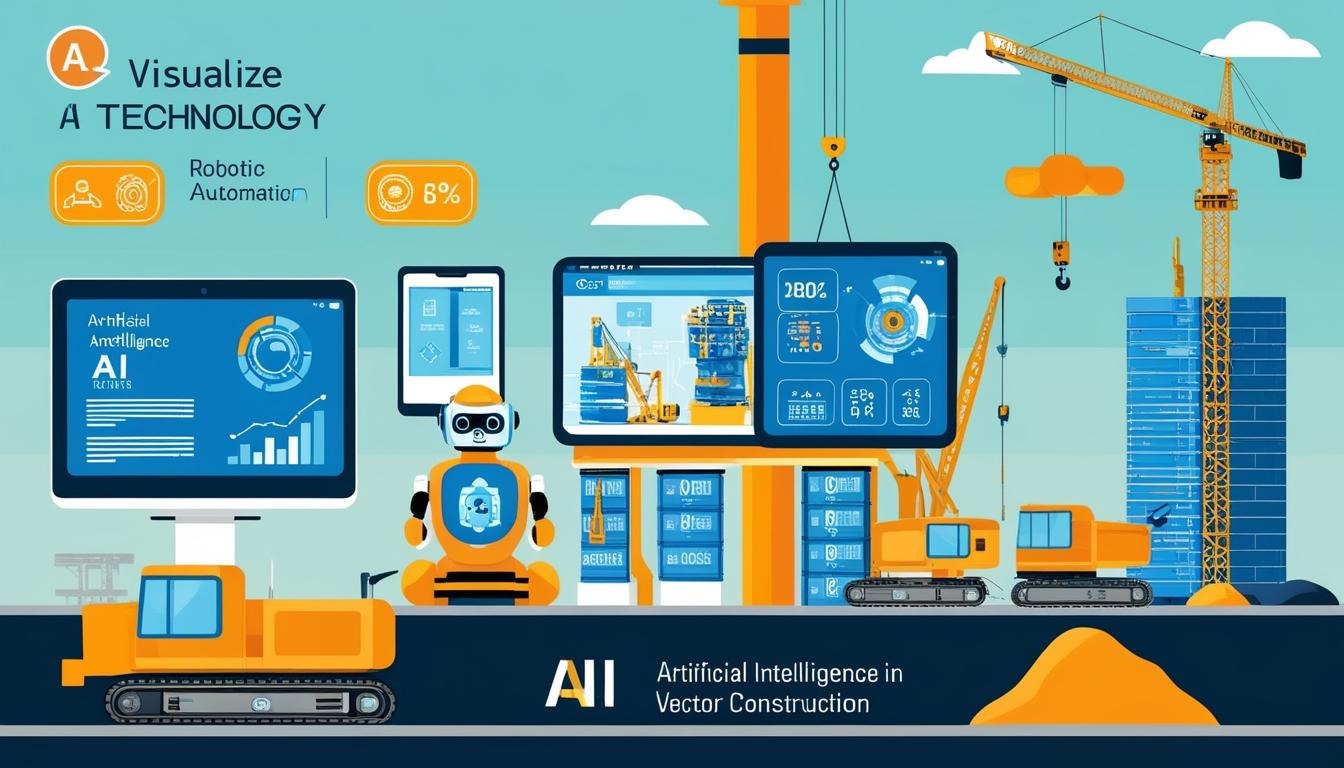
Exploring the Impact of Artificial Intelligence on the Construction Industry
In a recent webinar focused on the evolving role of artificial intelligence (AI) in the construction industry, a panel of experts discussed how the technology is reshaping various aspects of the sector. The session delved into the numerous advantages and potential drawbacks of integrating AI into construction processes, touching upon aspects ranging from compliance enhancement to fraud prevention.
The panel was composed of notable experts including Bradley Sussman, the Senior Managing Director of Construction and Real Estate Risk Management at K2 Integrity. He was joined by Christopher Ward, Associate Managing Director at the same firm, and DeShon Clark, Chief AI Officer at Allventa. Together, they provided their insights on the transformative effects AI could have on the construction landscape.
Bradley Sussman highlighted how AI can significantly enhance the compliance aspect of construction projects. With stringent regulations governing the construction industry, maintaining compliance can be a cumbersome process that requires meticulous attention to detail. AI systems, capable of analysing vast amounts of data, can streamline this process by automatically ensuring that all measures are in place to meet compliance requirements. This not only reduces the margin for human error but also frees up valuable time for industry professionals.
Christopher Ward discussed the potential for AI to aid in fraud prevention, an issue that has long plagued the construction sector. With the capability to monitor transactions and identify irregular patterns, AI could serve as an effective deterrent against fraudulent activities. By implementing AI-driven systems, companies can potentially detect inconsistencies and anomalies that might otherwise go unnoticed, thereby safeguarding their operations against fraud.
Moreover, DeShon Clark provided an overview of the broader implications of AI adoption in construction. With AI's ability to enhance efficiency and productivity, the technology stands to contribute significantly to project management and execution. From optimising resource allocation to predictive maintenance of equipment, AI offers a suite of tools that can help construction companies achieve greater operational efficiencies.
However, the panelists did not shy away from discussing the challenges AI may present. Concerns about data privacy, the need for large investments in technology, and the challenge of integrating AI systems into existing workflows were acknowledged as hurdles that the industry needs to address. The session underscored the importance of addressing these challenges to fully leverage the benefits AI brings to construction.
The webinar offered an illuminating perspective on AI's potential to transform construction, a sector that is historically labour-intensive and highly dependent on human oversight. As the industry continues to explore the integration of AI technologies, discussions like these provide valuable insights into navigating both the promise and the pitfalls of the digital age.
Source: Noah Wire Services