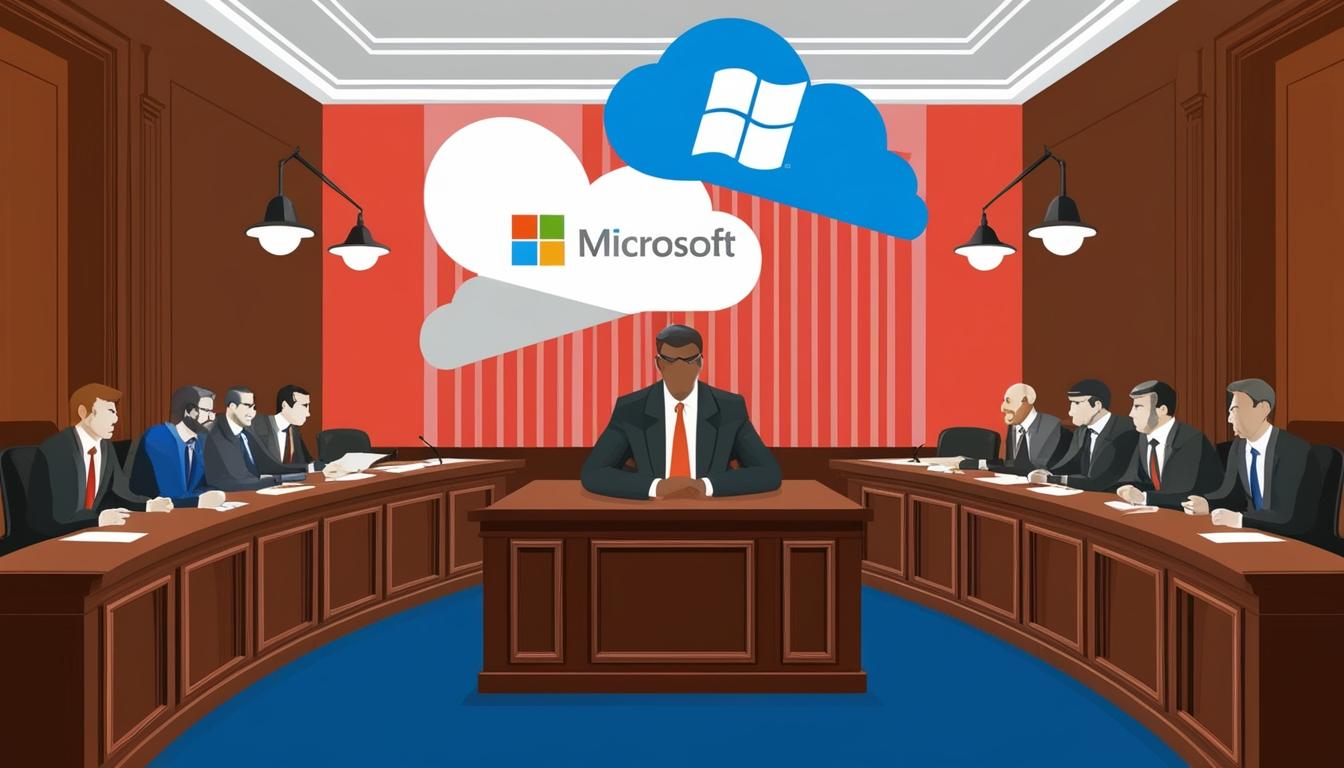
In a dramatic escalation of their long-standing rivalry, Microsoft has accused Google of orchestrating covert campaigns to damage its reputation in the cloud computing sector. In the assertion made by Rima Alaily, Microsoft’s Deputy General Counsel, Google is alleged to have secretly funded an initiative called the Open Cloud Coalition, purportedly aimed at diminishing Microsoft's influence by impacting the perceptions of regulatory bodies, policymakers, and the general public. Google responded to these allegations by defending its actions as transparent and framed its efforts as a push for fair competition in the cloud market.
This skirmish marks a significant chapter in the rivalry between Microsoft and Google, rivalries that span numerous technological domains such as online search, artificial intelligence (AI), and digital advertising. At the heart of this competition is the booming market of cloud computing, a critical battleground as they both vie for dominance while also contending with Amazon Web Services (AWS), the current market leader.
The market for cloud services has shown explosive growth, underscored by Google Cloud's recent 35% revenue increase to $11.4 billion, making it the second-largest revenue source for Alphabet, Google’s parent company. Meanwhile, Microsoft's Azure platform continues to be a formidable participant, contributing $24.1 billion to Microsoft’s commercial cloud revenue of $38.9 billion. As they invest heavily in capturing more market share, both companies are being closely scrutinised for potentially monopolistic behaviours.
The creation of the Open Cloud Coalition allegedly spearheaded by Google involved collaboration with smaller European cloud providers advocating for a more open cloud ecosystem. Microsoft argues that this coalition and Google's reported involvement is an attempt to sway regulatory opinion and alter Microsoft's cloud business strategies. Microsoft defends its cloud licensing agreements as essential to protecting its intellectual property, while Google criticises these practises as restrictive and designed to lock customers within Microsoft's ecosystem—a charge Google has brought before the European Commission.
While this clash over cloud services unfolds, both companies are dealing with broader antitrust investigations. These investigations are part of a renewed global push to regulate Big Tech's market influence, intending to ensure competitive fairness that consumer choice isn't curtailed. Microsoft is no stranger to this kind of scrutiny, having faced similar challenges in the 1990s.
Microsoft and Google’s rivalry stretches back over two decades, originally fuelled by competition over market dominance in software and search engines. This discord led to satirical campaigns and legal disputes over the years, only briefly mitigated by a truce in 2016. However, in recent years, hostilities have resumed, culminating in Microsoft CEO Satya Nadella testifying against Google's monopolistic online search practises during a U.S. Department of Justice case.
The backdrop of AI represents the next major arena for these tech giants. AI integration into cloud and consumer services could redefine market dynamics, making current disputes a precursor to larger competitive and regulatory issues. Both companies are investing substantially in AI technologies, which is expected to come under its own regulatory scrutiny concerning data privacy and competitive fairness.
The fierce competition between Microsoft and Google reflects broader questions about the future regulation of the tech industry as lawmakers adapt to the rapidly evolving technological landscape. While antitrust cases against these companies could result in significant financial penalties or enforced operational changes, they also focus attention on how the actions of these tech giants influence global markets. The question of who will control pivotal tech characteristics of the future remains at the fore, highlighting the profound impact these decisions will have, not just on Microsoft and Google, but on the broader implications for privacy, innovation, and market competition.
Source: Noah Wire Services