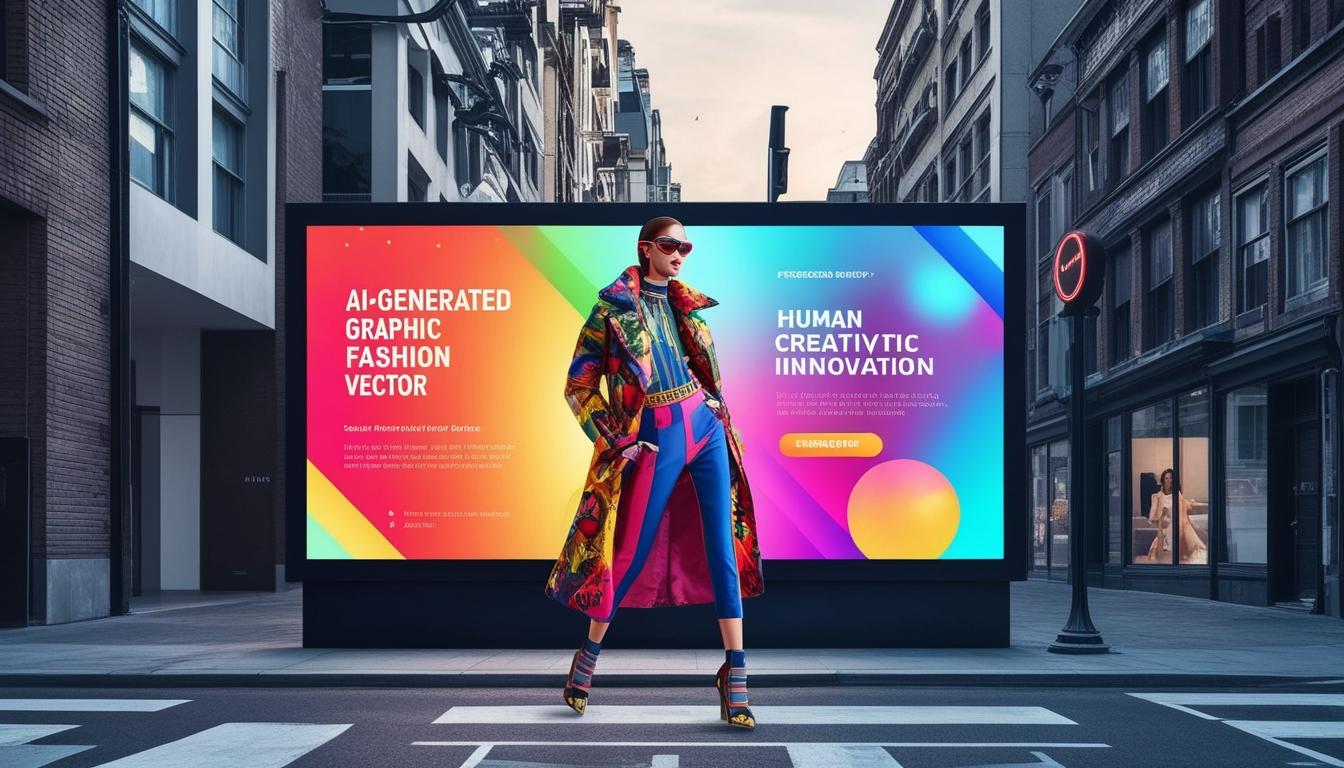
The Rise of AI in Fashion Advertising: A Creative Revolution
In a significant shift for the fashion industry, artificial intelligence (AI) is increasingly being integrated into advertising campaigns, revolutionising how brands present their collections. Fast fashion giant Mango is at the forefront of this trend, having recently achieved record-breaking revenues after incorporating AI-generated models into their advertisements. The innovative approach allows companies to produce marketing content more quickly and cost-effectively, heralding a new era in fashion advertising.
In July, Mango made waves by featuring AI-generated models, or "glam bots," in its advertising materials. This strategic decision coincided with the company reporting its highest revenue figures in four decades, highlighting the potential financial benefits of adopting digital innovations. Mango's CEO, Toni Ruiz, explained the motivation behind this move, stating, "It's about faster content creation." The company followed up with another AI-driven campaign targeting the teenage market and plans to extend this approach across all its collections in the future.
Mango is not alone in embracing AI; industry heavyweights such as Nike, Louis Vuitton, and Levi Strauss & Co. have also started integrating AI into their promotional strategies. The allure of AI models lies in their cost-effectiveness; a human model may charge an hourly rate, whereas agencies can offer AI-generated alternatives at a significantly lower monthly cost.
Mango's commitment to innovation is not a recent development. The company has been investing in cutting-edge technology for years, utilising machine learning platforms to enhance various aspects of its operations. Jordi Álex Moreno, Mango's Chief Technology Information Officer, described how the in-house engineering team collaborates with AI systems to create a cohesive aesthetic for their campaigns. This process involves compiling a "mood board" and training AI with specific images to achieve the desired look for each collection.
Despite criticism for moving away from using human models, Mango emphasises that the integration of AI is not intended to replace human creativity but to complement it. Moreno reassured stakeholders of Mango's growth ambitions, revealing plans to double the current workforce and open over 30 new stores by the end of next year. "AI should serve as a co-pilot to amplify our employees’ capabilities and creativity," he added, underscoring the synergy between human and digital intelligence in enhancing efficiency and allowing creative teams to focus on more value-added tasks.
The use of AI in fashion also resonates with other industry leaders. Marco De Vincenzo, Creative Director for Italian luxury brand Etro, expressed enthusiasm for AI after utilising it for the brand's spring 2024 campaign. The campaign featured models in fantastical settings reminiscent of science fiction, showcasing the creative possibilities of AI. De Vincenzo praised the technology for its ability to stretch the boundaries of reality while maintaining the essential "human touch" in the creative process.
While AI is set to redefine creative content production and design within the fashion industry, some concerns remain regarding its potential to reduce traditional workforce roles. However, proponents, including De Vincenzo, view AI as a tool for creative expression, expanding the horizons of what can be achieved in fashion marketing. As more companies explore AI's potential, the balance between human creativity and technological innovation will continue to evolve, reshaping the industry's landscape.
Source: Noah Wire Services