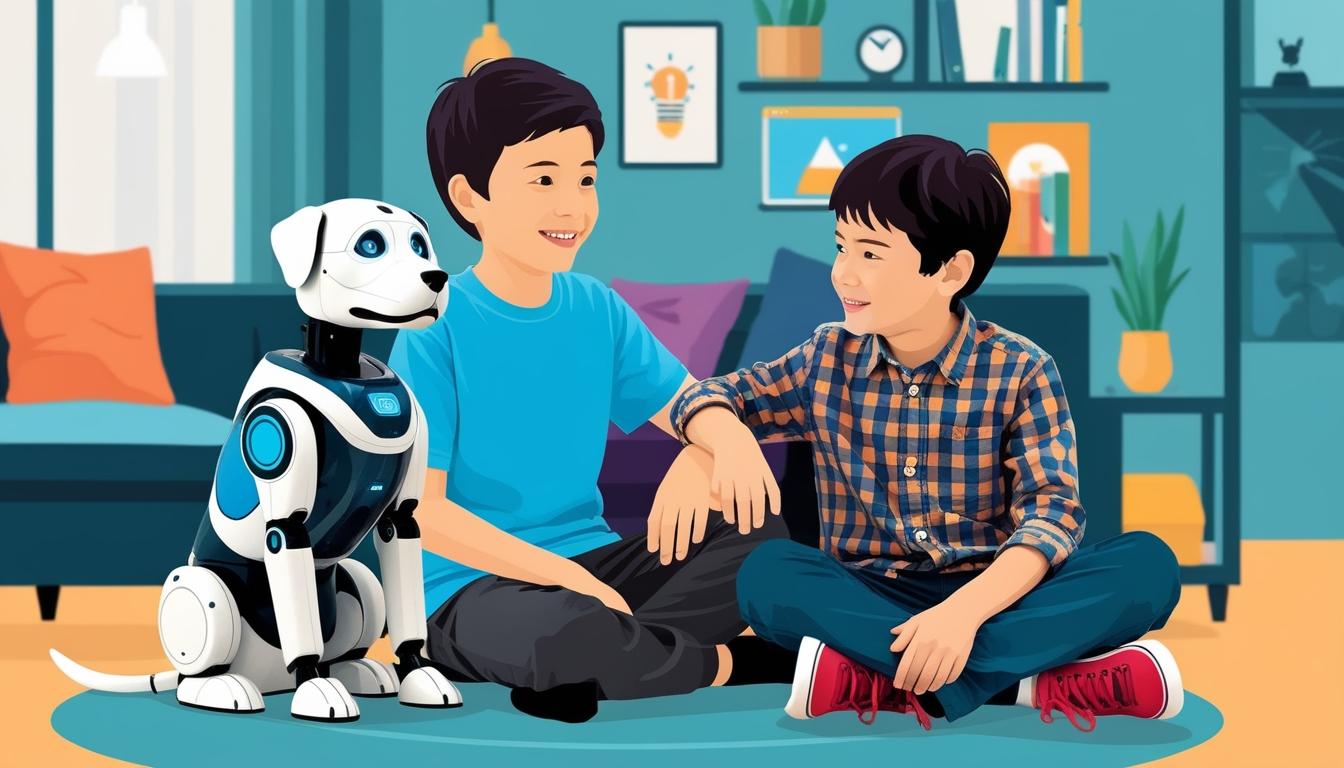
The realm of pet ownership is experiencing a significant transformation thanks to the rise of artificial intelligence (AI) pets. Offering companionship and emotional engagement, these robotic animals are becoming increasingly popular among diverse demographics, including children, the elderly, and busy professionals. Capitalising on advancements in technology, AI pets present a futuristic alternative to traditional pet ownership, promising reduced maintenance without compromising on companionship.
AI pets are powered by an array of sophisticated technologies. Natural Language Processing (NLP) allows these pets to understand and respond to verbal commands, facilitating a conversational dynamic with their human counterparts. Machine learning enables AI pets to remember and adapt to their owner's preferences and routines, fostering a unique bond that mirrors the dynamic of traditional pet-human interactions.
Emotional AI plays a crucial role in making digital pets feel "alive," interpreting human emotions via vocal tone, facial expressions, and contextual cues to offer responses that reflect genuine emotional interactions. Meanwhile, advanced robotics drive the lifelike movement and interaction of AI pets, allowing them to mimic real animal behaviours such as tail wagging and body posture transformations.
AI pets cater to a broad spectrum of potential owners. Families, especially those in housing situations not conducive to live pets, benefit from AI pets as they teach children responsibility and empathy. The elderly, facing increasing concerns of loneliness, find comfort and companionship in AI pets without the demands of care associated with real pets. For busy professionals, these digital companions offer the joy of companionship without time-consuming care routines.
However, the question of whether AI pets can truly replace real pets is nuanced. While capable of mimicking emotional responses and behaviours, AI pets lack the innate unpredictability and biological attributes of real animals. Yet, research suggests that meaningful attachments can still form between humans and their artificial companions, offering emotional enrichment and interactive support.
AI pets are making strides into mental health support, playing supportive roles in alleviating stress, anxiety, and depression in those unable to care for real animals. Hospitals and nursing homes have begun experimenting with AI pets to offer comfort to patients, with positive reactions noted among Alzheimer’s and dementia patients. The absence of allergens and care responsibilities makes AI pets particularly appealing in therapeutic settings.
Moreover, AI pets present an environmentally friendly option in a world increasingly conscious of ecological impacts. Unlike traditional pets, AI alternatives do not demand food, waste disposal, or resource-intensive care, mitigating the carbon footprint associated with pet ownership.
The future for AI pets is bright, with potential enhancements on the horizon. Developers are looking into sensory improvements to imitate the experience of stroking real animals, alongside expanded emotional intelligence, allowing for nuanced interactions. Personalisation options could also allow owners to tailor their AI pet’s personality to align with individual preferences.
Despite their promising potential, AI pets also pose ethical considerations. The risk of dependency on digital companions leading to increased social isolation is a concern, as is privacy, given the data collection capabilities of these AI devices. Furthermore, the societal implications of AI pet ownership, such as shifts in perceptions of animal relationships and care, prompt open-ended questions about future dynamics.
AI pets are already making inroads into education and therapy, offering tools for teaching empathy, responsibility, and social interaction to children. They hold potential as therapeutic aides for individuals with social anxiety, autism, and PTSD, providing a predictable, non-judgmental platform for engagement.
As AI continues to evolve, so too does our understanding of companionship. While AI pets may not entirely replace the bond shared with real animals, they represent a significant innovation in how companionship can be conceived in a technologically advanced society. As society moves further towards digital integration, AI pets exemplify technology’s role in enriching human experiences in innovative and pleasurable ways.
Source: Noah Wire Services