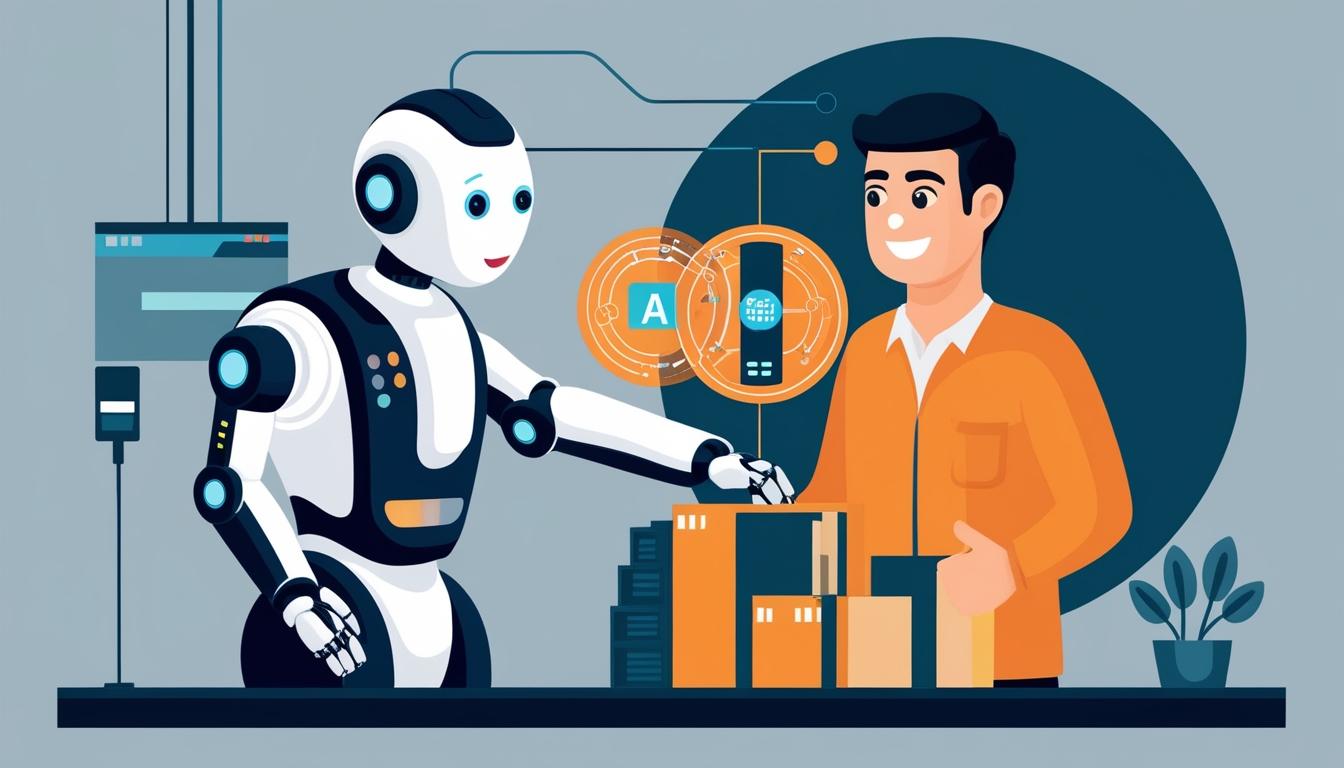
AI and Human Collaboration Shapes Future of Supply Chain Management
In the dynamic landscape of supply chain management, artificial intelligence (AI) and human talent are increasingly being recognised as complementary forces, rather than adversarial entities. The narrative that AI's rise inevitably leads to human job displacement is being re-examined, particularly in industries such as retail, where AI adoption is gaining traction.
Gartner's report highlights a critical issue facing supply chains today: the ongoing struggle to access adequate labour. This need for skilled workers is pushing companies to rethink their strategies in attracting, retaining, and empowering their workforce amidst technological advancements. Rather than seeing AI as a threat, organisations are beginning to leverage it as a powerful tool to enhance roles, making them more desirable to a workforce that is both digitally adept and eager for innovation.
AI's Role in Enhancing Supply Chain Careers
AI's introduction into the supply chain sector brings with it a host of benefits, primarily by automating repetitive, mundane tasks. This automation allows human workers to spend more time on complex, value-added activities that require critical thinking and creativity. Such a shift in work dynamics is especially beneficial for retaining a digitally savvy workforce who seek meaningful and engaging roles at the cutting edge of technology and innovation.
In the retail industry, which is currently leading in AI integration, companies have started using this technology as a significant asset in the 'war for talent'. By creating positions that combine technology with human skills, retailers are better positioned to attract highly skilled professionals interested in roles that offer both innovation and engagement.
Augmenting Intelligence, Not Replacing It
One of the most important aspects of AI in supply chains is its role as an enhancement to human intelligence. AI tools offer valuable insights, predictive analytics, and recommendations that enable supply chain leaders and their teams to make more informed and faster decisions. For instance, technologies like ChatGPT are being utilised in the freight industry to assist in a variety of tasks. They provide real-time shipment status, track information, identify potential delays, generate reports, and facilitate communication by translating documents and summarising complex data.
Despite these powerful capabilities, there remains a crucial need for human oversight, especially in navigating complex scenarios and ethical considerations. AI serves as an assistant, rather than a replacement, enhancing human capabilities and allowing for efficient decision-making processes.
From Silos to Synergy
The integration of AI into supply chain operations promises to revolutionise traditional methodologies. By dismantling functional silos, AI fosters a more collaborative and agile work environment. It bridges the gap between planning and execution, offering real-time feedback that facilitates dynamic adjustments and better functional alignment. This integration improves efficiency and responsiveness across the supply chain, leading to significant operational advancements.
Advantages of AI-Human Partnerships
The collaboration between AI and human talent in the supply chain offers several strategic advantages:
Enhanced Productivity: Automation of routine tasks enables workers to concentrate on high-value activities.
Improved Decision-Making: AI provides data-driven insights that empower human judgment.
Increased Agility: Faster response to supply chain disruptions and dynamic demand changes is facilitated by AI.
Enhanced Innovation: AI nurtures creativity through tools that support innovative ideas and solutions.
Talent Attraction and Retention: AI-enriched roles are more engaging, helping companies attract and retain top-tier talent.
As businesses continue to integrate AI, focusing on it as augmented intelligence could usher in a new era of efficiency, agility, and innovation in supply chains. This shift calls for an investment in talent development and an organisational culture that embraces collaboration and technological transformation. As companies navigate this complex landscape, the potential for a fully realised AI-human partnership promises a future of sustained growth and excellence in supply chain management.
Source: Noah Wire Services