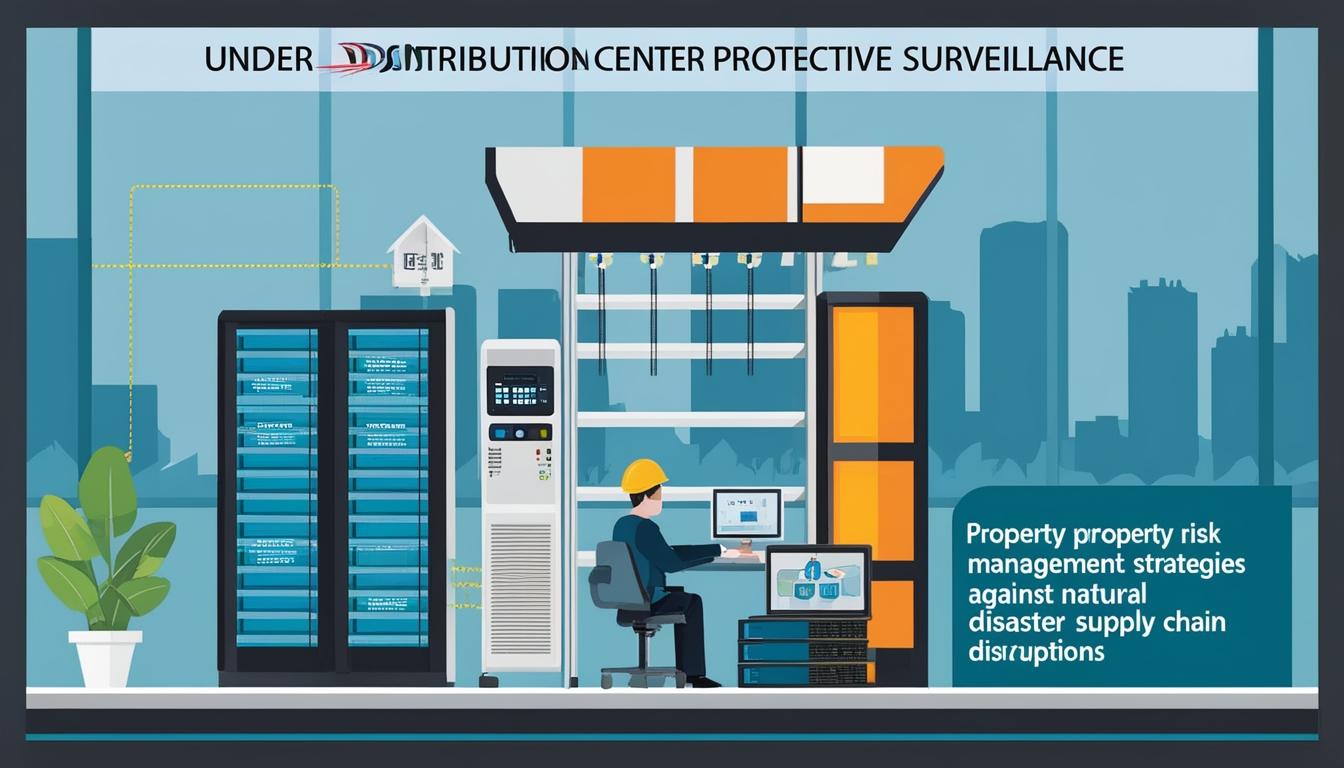
In recent years, the commercial property insurance market has experienced considerable fluctuations, particularly impacting businesses reliant on large equipment. Insights reveal that while the sector has witnessed a stabilisation of property rates by the second quarter of 2024, businesses are still encountering incremental single-digit rate increases. These changes underscore the emphasis on vigilant management of property exposures, especially concerning high-tech equipment critical to business operations.
The risk of equipment breakdown poses significant challenges to businesses, leading to potential property damage and operational disruptions. This reality necessitates a robust property risk management strategy. Today's business landscape is characterised by increasingly sophisticated and specialised equipment, resulting in heightened risks of malfunction or damage that can incur considerable financial losses. Michele Sansone, CUO Property, Americas at AXA XL, highlights how the evolution of property risks, particularly involving high-tech equipment in distribution centres, is significantly contributing to increased property losses.
The financial landscape is further affected by the growing complexity and value of equipment. The costs associated with repairs and obtaining specialised technician services for diagnostics are contributing factors to escalating equipment replacement costs. As businesses navigate through these challenges, it is imperative to have comprehensive risk mitigation strategies in place to pre-empt potential disruptions.
Two primary factors currently influence the property insurance rates: global natural catastrophes and supply chain disruptions. According to Verisk’s 2024 Global Modeled Catastrophe Losses report, global natural catastrophes now carry an average annual loss of $151 billion. Michele Sansone explains that the frequent and severe occurrences of such events necessitate price adjustments in catastrophe insurance markets due to increased risk exposure from events like hurricanes, wildfires, and floods. Consequently, some businesses are taking on more risk themselves through captives or larger deductibles to manage costs effectively.
Compounding these challenges are supply chain disruptions leading to extended business interruption periods. Cheryl Geidel, Vice President of Equipment Breakdown at AXA XL, notes that delays in obtaining critical parts can extend downtime to lengthy periods, affecting business continuity. Additionally, the rising costs of materials and labour continue to exert upward pressure on property insurance claims.
Accurate property and equipment valuations are critical in managing these costs and ensuring sufficient insurance coverage. Missteps in valuation can lead to underinsured properties, resulting in the inadequacy of insurance payouts in covering full repair or replacement costs. With rates on a slight decline, there remains an urgent need to maintain precise property valuations to uphold the integrity of risk assessments.
Businesses are encouraged to partner with insurance experts to ensure a thorough evaluation of their property values, factoring in the advanced technology embedded within equipment. AXA XL emphasises the role of risk engineers who support underwriting through data collection, helping businesses and underwriters alike in making informed decisions about potential risks.
Technological advancements such as advanced weather and wildfire modelling, along with drone inspections, now offer property owners greater control over potential risks from natural catastrophes. Michele Sansone notes the transformative potential of data-sharing in enhancing market resilience, advocating for increased collaboration among carriers to bolster risk assessment and underwriting practices.
AXA XL has integrated these risk management philosophies into its operations, aiming to improve client risk profiles through long-term partnerships rather than transactional interactions. The collaboration between underwriters and risk engineers provides detailed insights, facilitating a streamlined claims process when incidents arise.
In conclusion, as the landscape of property risks continues to evolve, businesses must stay informed and proactive in assessing their equipment and property risks. Through strategic partnerships and technology-driven risk assessments, companies can better navigate the challenging terrain of property insurance, safeguarding their operations against unforeseen disruptions.
Source: Noah Wire Services