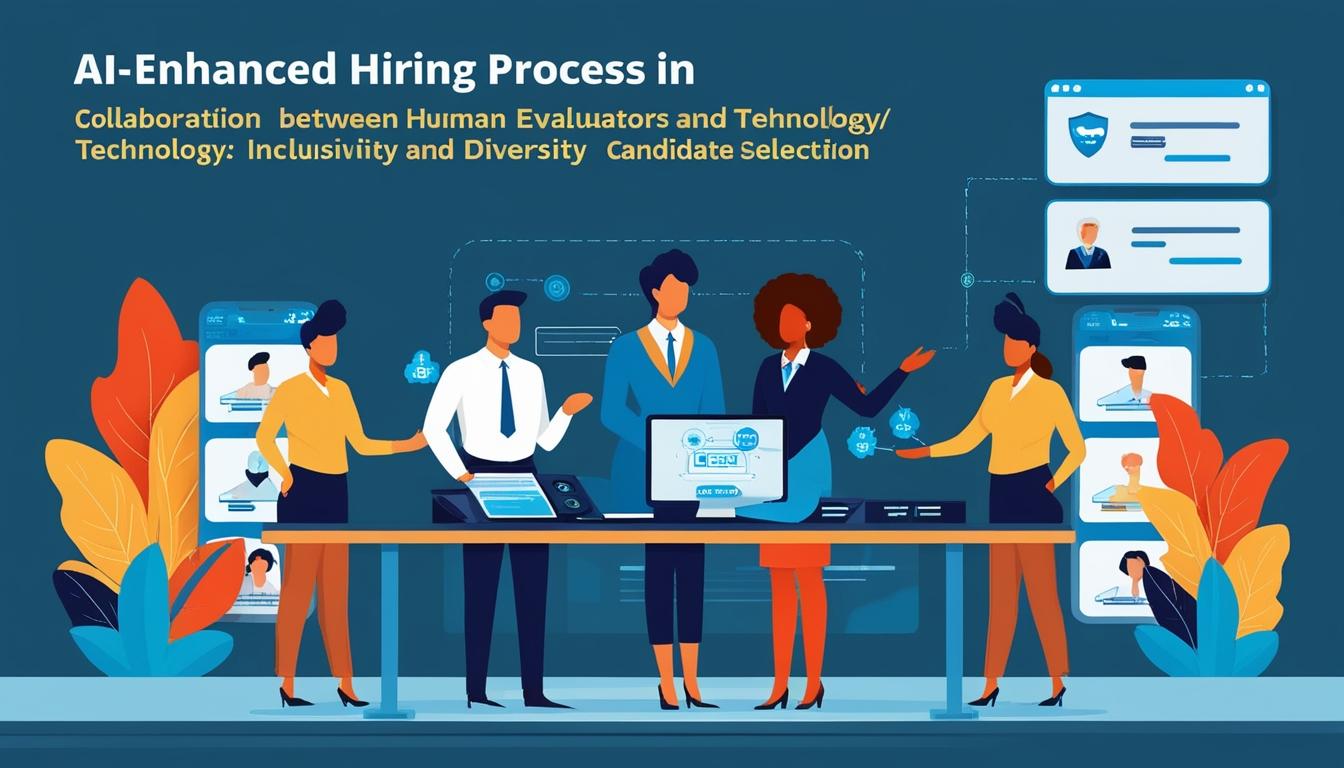
Community colleges, as they adopt new technologies, are turning towards artificial intelligence (AI) to bolster their academic search committees and hiring processes. Embracing AI offers numerous advantages in handling the complexities of candidate selection. However, it requires careful implementation and oversight to ensure fairness and compliance with legal standards.
Administrators are advised to start by setting explicit objectives when incorporating AI into their processes. Clarifying the intended purpose and role of AI tools is key to effectively selecting and using them. Training for committee members is also paramount to equip them with the necessary skills to interpret AI data and understand its limitations. This training ensures informed and precise decision-making.
AI shows promise in assisting with the diversity considerations essential to community college hiring practices. Education Code Section 87360 mandates that candidates exhibit sensitivity to the varied backgrounds of students. AI can augment human efforts by helping prepare questions and evaluate candidates' understanding and sensitivity towards diversity. However, it must complement human judgement, not replace it, to align with institutional values and varied student needs.
Transparency is another critical aspect of AI usage. Colleges must maintain openness about how AI is employed in the hiring process. This honesty extends to dialogues with candidates, reinforcing trust and alleviating potential concerns over bias. Continuous monitoring for bias within AI systems is necessary to ensure decisions do not disproportionately favour or disadvantage any group, thus maintaining an equitable hiring process.
Despite the efficiencies AI brings, human oversight remains indispensable. Ultimate decisions should be validated by personnel, affirming that human evaluators hold the authority on candidate suitability. This blend of AI-derived insights and human expertise results in more comprehensive decision-making.
It is also vital for institutions to remain informed about current legal guidelines pertaining to AI applications in employment. This includes compliance with employment and data privacy laws, where both human resources and IT departments should be consulted prior to AI deployment.
Furthermore, it is crucial for administrators to heed warnings about over-relying on AI. While it can handle large application volumes swiftly, only humans provide the nuanced understanding essential for evaluating candidates holistically. AI's potential for inaccuracies necessitates thorough human review throughout the process.
Data privacy is another significant consideration. Administrators must safeguard candidate information, leading to collaborations with IT departments to ensure AI systems are secure. Updates to AI tools should also be considered regularly to prevent reliance on dated algorithms, maintaining the system's effectiveness.
The candidate experience should not be overlooked either. Automated systems might lack a personal touch, so it's important to balance AI efficiency with opportunities for human interaction, ensuring candidates feel valued and engaged. Similarly, institutional fit and soft skills should not be sidelined. While AI can highlight specific qualifications, understanding how candidates align with an institution’s mission and values remains crucial, aspects that AI may not fully capture.
Lastly, feedback mechanisms are essential for refining AI applications in hiring. Feedback from both committee members and candidates provides insights that can inform and enhance future AI utilisation.
By following these guidelines, community colleges can integrate AI into their hiring processes effectively, marrying technological advancement with human intuition. This approach aims to enhance hiring outcomes, ensuring they align with the inclusive and diverse environments these institutions champion.
Source: Noah Wire Services