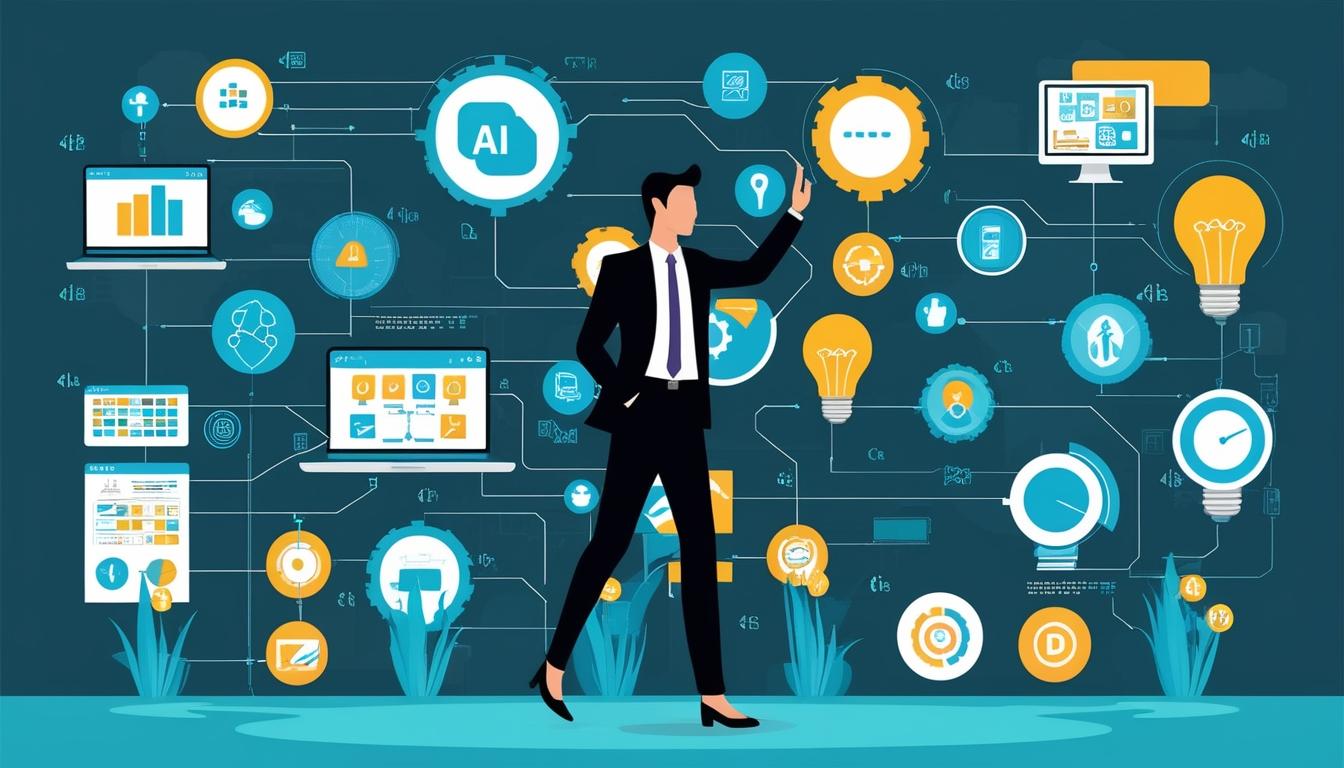
In the ever-evolving landscape of the modern workplace, technology continues to redefine the way industries operate and individuals perform their roles. As evidenced by various data and reports, the integration of advanced technologies such as generative AI, 5G, and quantum computing is not only shaping the current state of professions but also setting the stage for future transformations.
According to the World Economic Forum’s 2023 Future of Jobs Report, automation is expected to take over approximately 43% of work tasks by 2027, with a quarter of all roles undergoing significant changes. This shift underlines the increasing necessity for professionals to become adept with technology to remain relevant in their fields.
A 2024 Work Trend Index Annual Report conducted by Microsoft and LinkedIn reveals a pronounced preference among business leaders for candidates possessing AI skills. An impressive 66% of decision-makers disclosed that they would only consider hiring individuals with AI competencies. Furthermore, 71% would opt for less experienced candidates if they are proficient in AI over more experienced individuals who lack these skills.
In a notable presentation at the 2024 SXSW Conference, futurist Amy Webb introduced the concept of an "economic supercycle." This cycle is characterised by a sustained period of heightened demand, which substantially raises the value of commodities and assets. Unlike historical supercycles typically driven by a singular technological advancement, this new phase emerges from the convergence of AI, biotechnology, and wearable technology. These developments collectively signal a transformative period in both economic and workplace dynamics.
Navigating this complex environment requires professionals to embrace the inherent uncertainty of such rapid technological advancements. Embracing uncertainty is not about complacency but about strategically positioning oneself to harness new opportunities for growth. Early adopters of emerging technologies can better anticipate industry shifts and prepare accordingly.
Advancements in analytics platforms, for instance, are essential in a data-centric world. Tools like Power BI and Tableau enable professionals to convert raw data into strategic insights, allowing for more informed decisions. Similarly, the adoption of collaborative platforms such as Slack and Microsoft Teams can enhance real-time communication and project coordination, while project management applications such as Trello and Asana help maintain workflow efficiency.
Moreover, the usage of large language models like Perplexity, Microsoft Co-Pilot, and ChatGPT can automate routine tasks by generating emails, summarising information, and scheduling tasks, which collectively free up time for strategic pursuits.
However, as the workplace continues to evolve technologically, it is crucial to maintain a balance with essential interpersonal skills. While technical skills can be easily acquired and refined, relational, emotional, and leadership abilities remain irreplaceable and critical for personal and professional advancement.
Ultimately, mastering technology while nurturing human connections will be indispensable for anyone looking to progress in the digital era. Embracing this digital transformation will not only drive productivity but also enable individuals to thrive in a landscape where artificial intelligence and automation are prevalent.
Source: Noah Wire Services