In an exploration of artificial intelligence (AI) and its burgeoning influence across varied sectors, a recent meeting of learning and development professionals placed a significant spotlight on AI technologies. The monthly gathering—intended for sharing best practices and innovations—highlighted how AI is becoming an ever-present element in daily life, affecting industries from transportation to agriculture, education to finance.
AI applications are proving to be widely diversified. For example, self-driving cars, rideshare apps, and AI-powered recommendation engines are reshaping the way consumers interact with technology and each other. Educational software personalises lesson plans, while financial institutions employ AI to detect potential fraud. In agriculture, AI assists farmers by providing essential predictive data on crop yields and resource management.
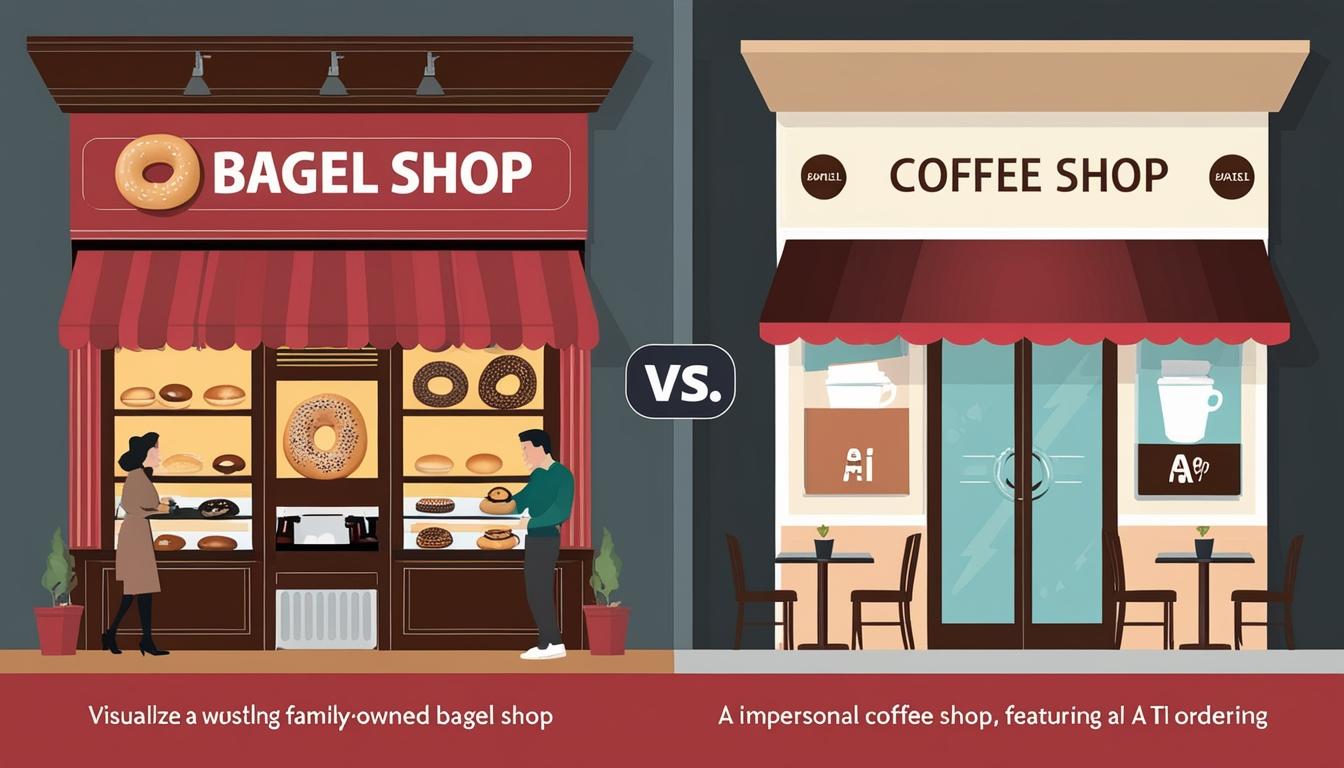
The conversation also extended into the personal experiences of attendees, offering anecdotal insights into the varying degrees of human interaction across retail environments. One participant, Paul Butler, detailed his contrasting experiences at a bagel shop and a coffee shop, inadvertently showcasing the balance between traditional human interaction and the efficiency of technology in service.
The bagel shop, a family-owned business in an undisclosed city, is portrayed as a bastion of genuine human connection where patrons and staff know each other's names and share in personal milestones. This traditional retail atmosphere, valued for its community spirit and personal touch, stands in stark contrast to Butler’s subsequent visit to a local coffee shop.
Unlike the warm and personal atmosphere of the bagel store, the coffee shop presented a more disjointed customer service experience. Butler noted the presence of AI—a seamless online ordering process on the coffee shop’s website—as an efficient and effective tool. However, inside the store, interactions were less than engaging, underscored by the staff's lack of attention and enthusiasm. The associates were more absorbed in personal conversations and mobile phones than in attending to customer needs, suggesting a possible lapse in service quality that could, hypothetically, improve with automation or AI intervention.
The meeting and Butler's reflections subtly underscore the juxtaposition of AI's capacity to streamline processes against the irreplaceable value of personal interaction in certain settings. Whilst AI facilitates numerous daily functions with remarkable efficiency, the discussion hints at the irreplaceable warmth of human interaction in specific contexts, such as local community stores.
This dual nature of AI illustrates a broader trend where technology and tradition coexist, raising questions about the future of certain professional and personal environments. As AI continues to embed itself into the fabric of everyday life, industries and individuals alike navigate the delicate balance between technological advancement and the time-honoured value of face-to-face connections.
Source: Noah Wire Services