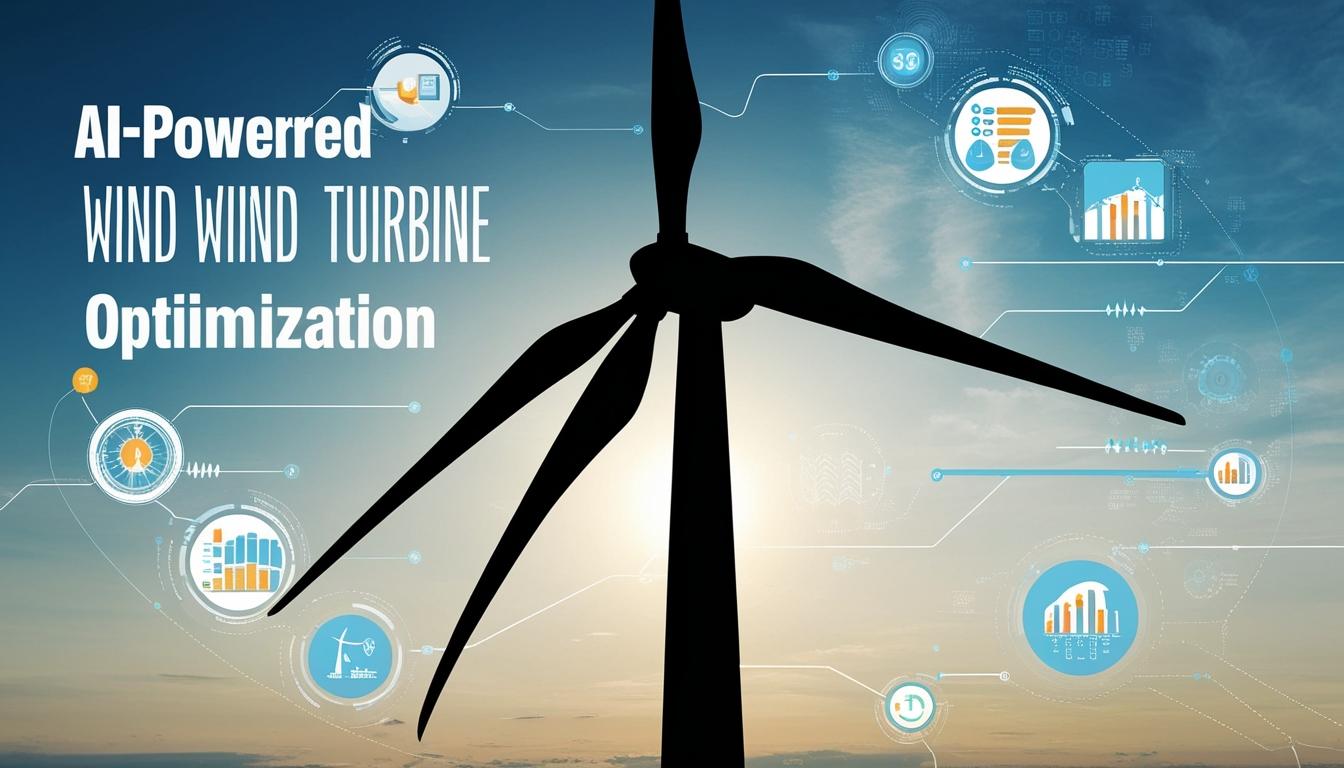
In recent years, the integration of Artificial Intelligence (AI) into the renewable energy sector has garnered increasing interest, particularly in the area of wind energy. AI presents significant potential to transform traditional methods of wind resource assessment and turbine management, ensuring more efficient and cost-effective wind farm operations.
AI's application in wind farm development offers numerous advantages. By leveraging machine learning and predictive modelling, AI tools can significantly enhance wind resource evaluation processes. These processes typically involve dealing with massive amounts of data collected from diverse sources, such as weather stations, satellites, and real-time sensors. AI tools can aggregate and analyse this wealth of data to provide more precise and accurate wind forecasts and resource assessments.
Wind resource assessment is crucial for the planning of wind farms. AI can facilitate meteorological data analysis by combining information from historical climate records with real-time data, thus offering improved accuracy over traditional methods. This capability allows for better wind pattern prediction, crucial for site viability and investment decisions.
One of the key aspects AI can improve is turbulence and wind shear analysis. Wind turbulence significantly affects the longevity of wind turbine components, as it causes additional wear and tear. AI tools can help identify sites with smoother wind flows, thereby reducing maintenance costs and extending the turbines' operational lifespan. Additionally, analysing wind shear contributes to determining the optimal turbine hub height, enhancing energy capture while minimising expenses.
Micro-siting, or determining the exact placement of each turbine within a wind farm, can also greatly benefit from AI applications. Through computational fluid dynamics simulations and machine learning, AI can optimise turbine placement to maximise wind exposure and reduce wake effects, which occur when wind turbines create turbulence that affects others downwind. AI’s ability to incorporate and analyse terrain data is instrumental in understanding how geographical features impact wind flow, enabling better decision-making for turbine installation spots.
Moreover, AI can assist in anticipating long-term wind patterns and changes due to climate variability. By integrating global circulation models and historical data, AI can forecast potential shifts in wind resources, aiding developers in accounting for climate change impacts in their planning. This forward-looking capability is pivotal in ensuring the long-term viability and efficiency of wind farms.
Remote sensing technologies also stand to gain significantly from AI enhancements. AI can automate the analysis of data from satellites, drones, and LiDAR (Light Detection and Ranging) systems to create high-resolution maps of wind resources. Additionally, AI can generate synthetic data to address observational gaps, further improving the reliability and robustness of assessments.
Beyond the initial phase of wind farm development, AI also offers continuing benefits throughout a wind farm's operational life. For instance, AI-driven decision-support systems can provide real-time recommendations for operational adjustments based on ongoing wind data analysis, ensuring optimal performance even amidst changing conditions. Implementing 'what-if' scenarios through AI tools aids strategic planning, allowing developers to simulate and test various configurations, turbine types, and layout adjustments to anticipate their effects on energy output.
AI can refine existing wind atlases by incorporating localized, granular data also used alongside traditional mesoscale forecasting models. This hybrid approach yields a more comprehensive understanding of wind resources, enhancing the accuracy of energy yield predictions which are crucial for financial risk assessment and investment planning.
Integrating AI into the wind energy sector represents a valuable opportunity to optimise resource utilisation, reduce costs, and mitigate risks for developers and investors. As AI continues to advance, its role in supporting the growth and sustainability of wind energy is expected to expand, potentially leading to more efficient and effective wind farms across North America and beyond.
Source: Noah Wire Services