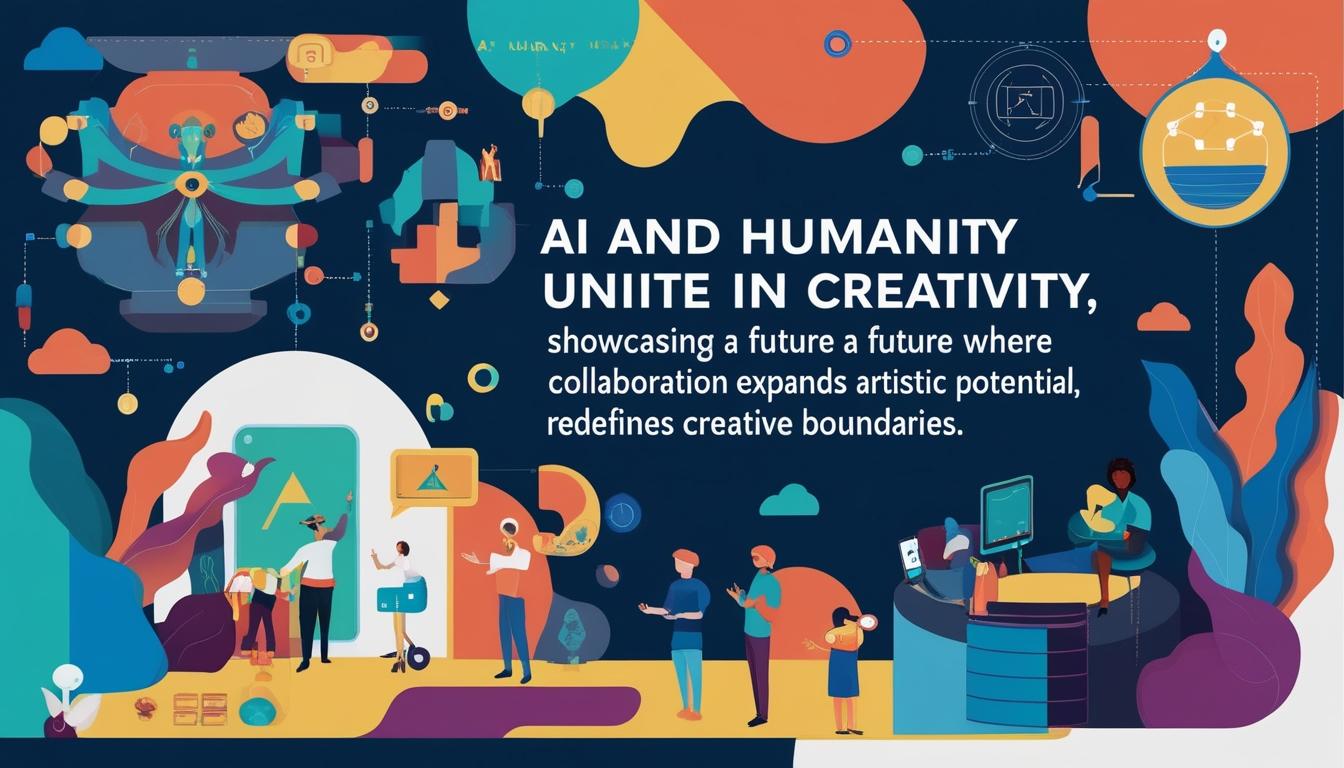
Title: The Expanding Circle of Creativity: How AI is Shaping the Future
The advent of new technology has invariably sparked apprehension regarding its potential impact on human work, creativity, and essence. Currently, the rapid evolution of artificial intelligence (AI) and large language models has intensified these concerns. The question echoes: will AI replace human ingenuity or constrict the creative realm to mere spectatorship while machines lead the charge?
However, a broader historical perspective suggests a different narrative—technology, rather than diminishing human roles, often enhances and diversifies them. This pattern can be traced across various domains, exemplifying how innovation reshapes not only processes but also the essence of creativity itself.
A poignant example can be found in the evolution of photography. Originally an elite art form requiring cumbersome equipment and meticulous skill, photography was accessible only to trained artists. As technology advanced, introducing portable and convenient cameras, this art form broadened its reach. Far from eliminating the artistry of visionaries like Ansel Adams, these developments democratized photography, culminating in today's ubiquitous "selfie" culture. The means to capture and share narratives has expanded, fostering a global exchange of personal and cultural stories. Through digital art, photojournalism, and street photography, the boundaries of creativity have widened, encompassing both seasoned artists and laypersons.
Similarly, the domain of chess illustrates this technological dynamic. The historic victory of IBM's Deep Blue over world chess champion Garry Kasparov in 1997 was perceived by some as a harbinger of technological dominance. Yet, two decades onwards, chess has flourished extensively. AI-powered engines serve as vital tools, enriching the game by presenting new strategies and complexities that even grandmasters explore. Rather than facing obsolescence, chess enthusiasts have embraced a novel collaborative aspect, wherein machine intelligence pushes human capability to unprecedented levels.
The intersection of AI and human activity extends beyond these fields, echoing in various areas like medicine and the arts. Fear of AI replacing doctors, artists, or scientists reflects broader societal anxieties, yet history suggests otherwise. Technology tends to enhance creative latitude, enabling unprecedented forms of collaboration and exploration. Researchers utilise AI to decode intricate patterns in data, writers experiment with machine-generated prompts, and artists incorporate AI into their techniques. The essence of AI lies not in replacement but in redefining possibilities and expanding the scope of human potential.
Nonetheless, this technological progression differs from previous innovations such as smartphones or washing machines which enhanced convenience without challenging human identity. AI's capability to replicate cognitive skills poses an unsettling prospect—of machines excelling in traditionally human realms like creativity, problem-solving, and empathy. This shift provokes existential questions regarding the ceding of our cognitive essence to machines.
Welcoming the expanding circle of technology necessitates a mindset transformation—viewing AI as a collaborator rather than an adversary. AI should be seen as a catalyst, propelling the discovery of untapped creative frontiers, heightening human potential in ways unimaginable in the past. This technological journey isn't about losing our place to machines but growing with them, exploring new paradigms of creativity and innovation.
The future thus envisions not an AI takeover but a partnership, where technology augments human capability. It encourages us to redefine and embrace the expanding circle of opportunity, drawing on its potential to elevate human endeavour into uncharted territories.
Source: Noah Wire Services