AI in Employment Decisions: Key Considerations for Employers
In today's rapidly evolving technological landscape, the integration of artificial intelligence (AI) in employment processes is becoming increasingly prevalent. As companies look for ways to streamline hiring and promotion decisions, AI stands out as a powerful tool offering efficiencies that were once thought to be the realm of science fiction.
In a recent episode of The Proskauer Brief, Guy Brenner, a partner at Proskauer's D.C. Labor & Employment practice, and Jonathan Slowik, senior counsel in the firm's Los Angeles office, discussed the implications and practical applications of AI in employment decisions. The dialogue forms the first part of an insightful series aimed at dissecting how AI can be harnessed in human resources (HR) and the potential pitfalls that need addressing.
Understanding AI and Its Applications in HR
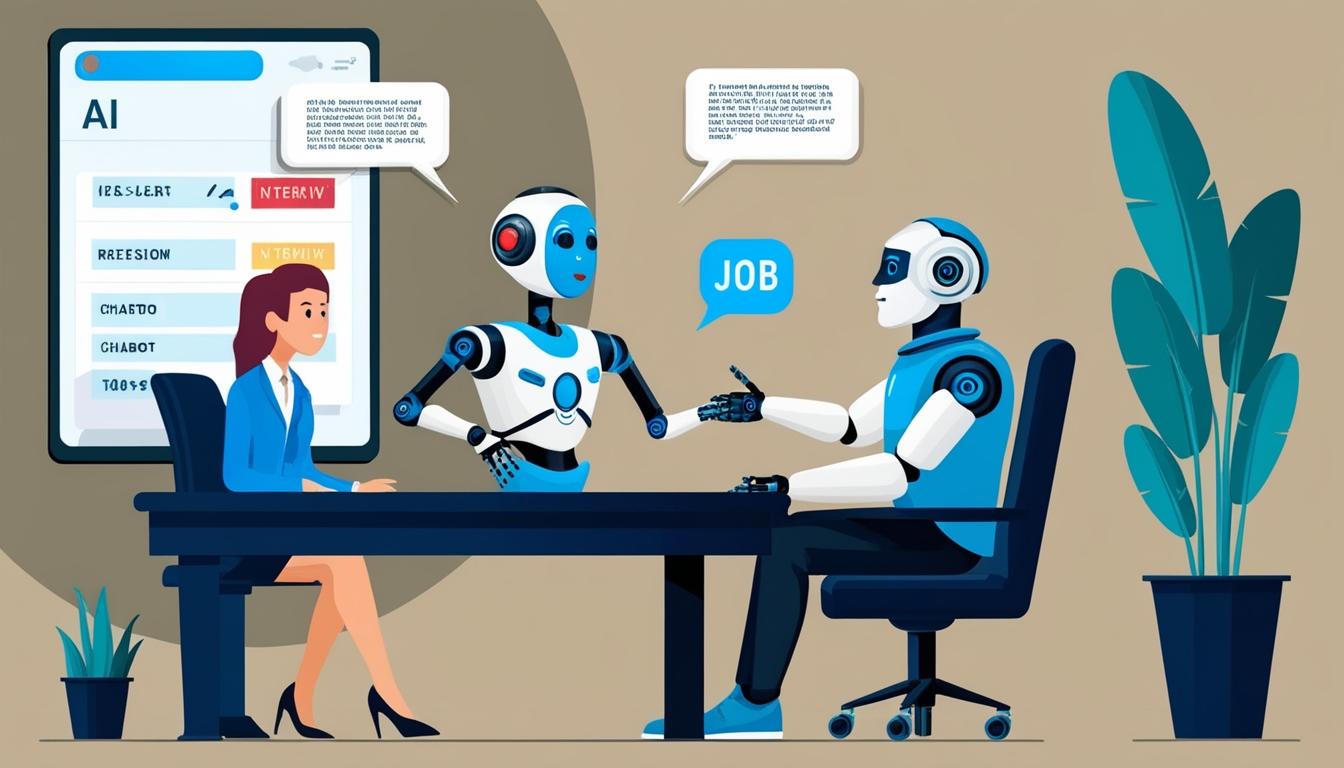
Artificial intelligence, as defined by Slowik, encompasses technologies enabling machines to simulate human-like thinking and learning. This covers a vast array of tools that assist machines in performing tasks traditionally requiring human intelligence. AI's potential in the HR sphere includes automating tasks such as applicant screening, conducting initial interviews, and even verifying candidate credentials.
One significant application mentioned is the use of AI to manage the overwhelming volume of job applications HR professionals often face. AI-powered résumé scanners can efficiently prioritise and even eliminate unsuitable applications, purportedly removing human biases by focusing solely on predefined criteria. Additionally, AI chatbots can engage candidates in pre-application stages, potentially refining the applicant pool by subtly guiding less suitable applicants towards more appropriate roles.
According to Slowik and Brenner, innovations in AI are also reshaping the interview process. AI can conduct preliminary interviews using a mixture of text and video, evaluating responses for content and the interviewee’s presentation. This technology, while relatively nascent, is expected to advance rapidly, possibly incorporating real-time audio and visual data evaluation.
Another AI role discussed is verifying information accuracy on résumés, cross-referencing with publicly available data such as social media profiles. This capability can discern inconsistencies between a candidate’s public persona and their submitted credentials.
AI's potential to assess a candidate's job viability extends to AI-evaluated tests, which can gauge skills, cognitive abilities, and even cultural fit through innovative means such as simulations and scenario-based evaluations.
Challenges and Legal Considerations
While the benefits of AI in streamlining employment decisions are clear, Slowik and Brenner highlighted the legal frameworks that must be navigated carefully. Existing antidiscrimination laws apply equally to decisions made by AI, and there is no legal shield for violations arising from AI errors. Federal agencies like the Equal Employment Opportunity Commission and the Department of Labor have affirmed their intent to enforce these laws irrespective of technological advancement.
Three primary challenges in AI application were outlined: issues arising from biased training data, the opacity of AI decision-making processes (often referred to as the "black box" issue), and the potential disconnect between AI platform design and actual usage. These areas, according to the speakers, require diligent exploration to ensure compliance with discrimination laws and avoid inadvertent breaches.
The conversation on The Proskauer Brief signals a critical juncture for employers. Embracing AI holds the promise of refining and revolutionising talent management processes; however, it also necessitates a cautious and informed approach to avert legal pitfalls. As AI's footprint in HR continues to expand, discussions such as these play a pivotal role in guiding companies through this complex yet promising terrain.
Source: Noah Wire Services