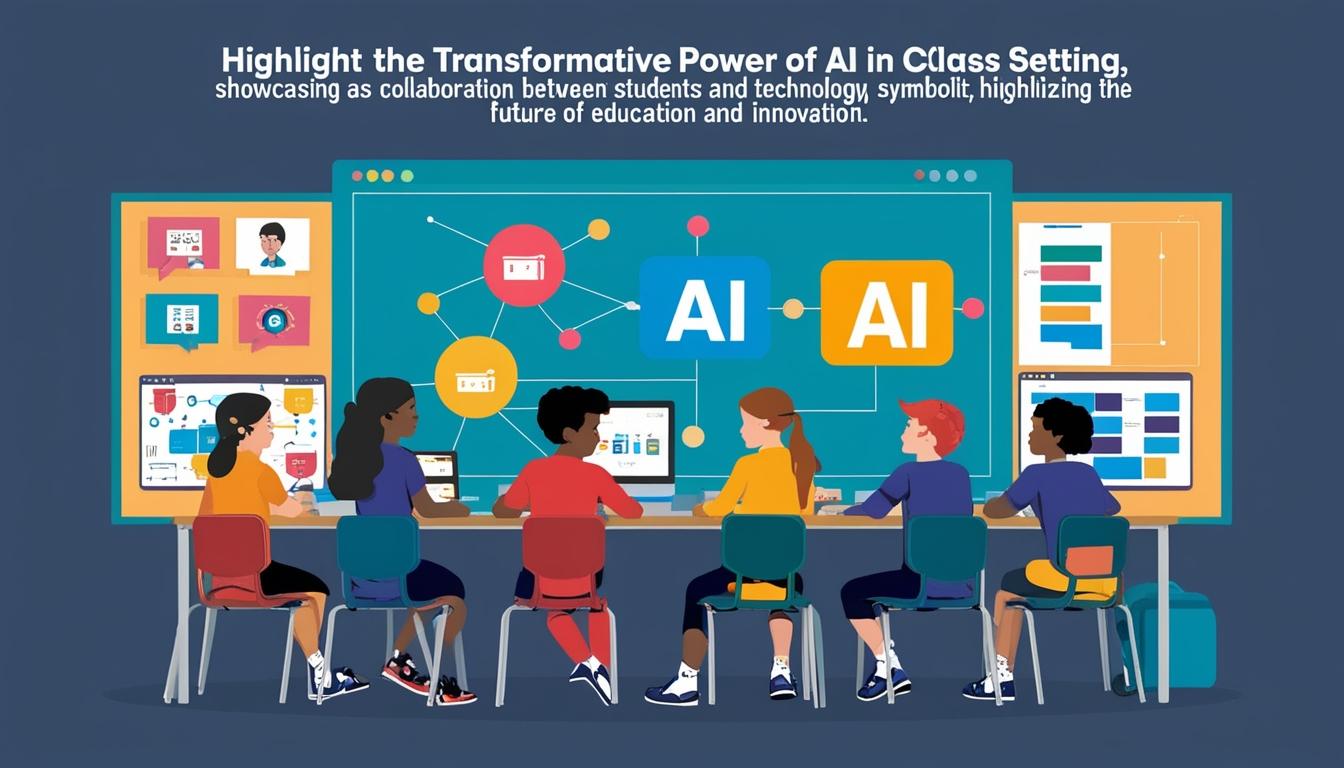
Artificial intelligence (AI) has transitioned from a distant concept to a pivotal force reshaping various sectors of daily life. This was the central theme at the 2024 AI Summit held at Southern New Hampshire University (SNHU) on Tuesday, 22 October, and Wednesday, 23 October. Under the catchphrase “Shaping the Future of AI in Education, Business, and Society,” the summit aimed to cast light on AI’s fast-paced developments and its potential to transform fields across the board.
The summit, designed as a hybrid event, convened both in-person attendees at the SNHU campus and a virtual audience. According to the SNHU AI Summit 2024 Organizational Committee, one of the main objectives was to foster collaboration and networking by sharing updates on AI advancements and exploring its practical applications. Eirwyn Zhang, programme director for the summit, articulated that the event highlights SNHU’s dedication to leading in technological innovation and preparing its community for the future.
During the two-day event, over 31 industry leaders, experts, and faculty members presented across 25 sessions. In-person attendance recorded around 75 individuals, while the virtual sessions saw approximately 200 initial participants, though this figure varied as viewers joined and left throughout the event.
The discussions covered a range of topics, highlighting the integration of AI in education, business, and societal contexts. Sessions addressed how AI technologies are being deployed in educational settings, curriculum development, finance, healthcare diagnostics, and treatment planning. Moreover, ethical concerns like biases, privacy, and transparency in AI applications were scrutinised.
A highlight was the session led by Sonja Moffett, a career engagement partner and adjunct instructor in business at SNHU. Her presentation, "Transform AI From a Potential Threat to Your Greatest Career Ally," targeted MBA and graduate students, as well as individuals in leadership roles. Moffett emphasised the importance of viewing AI as an ally rather than a threat, asserting that strategic use of AI technologies can enhance, rather than threaten, career sustainability.
Moffett encouraged attendees to employ AI as a tool within their career plans, urging business leaders to integrate AI into their strategic frameworks. She argued that rather than perceiving AI as an entity that "steals" ideas, it should be seen as a catalyst for innovation, helping transform human ingenuity into tangible solutions.
Elon Musk was referenced as an example of the ambitious strides industry leaders are making with AI, reinforcing Moffett’s argument that understanding AI reduces its perceived threats. She provided a practical business case study for attendees, prompting them to identify existing problems in their organisations and utilise AI in crafting innovative solutions.
Laurie Lewis, an attendee and clinical faculty coordinator at SNHU, remarked on the importance of understanding AI’s applications as conveyed during Moffett’s session. Lewis highlighted the role of continuous learning in adapting to AI's rapidly evolving landscape, underscoring that mastering AI integration is key to revolutionising career trajectories.
Eirwyn Zhang echoed these sentiments, acknowledging AI as an indispensable modern tool that could enhance efficiency and creativity within businesses. Zhang noted that AI enables employees to shift focus from repetitive tasks to strategic development, thereby fostering productivity and potentially leading to significant advancements across sectors such as healthcare, education, and finance.
As AI becomes an integral part of modern life, the 2024 AI Summit at SNHU showcased its transformative potential and emphasised the growing necessity for business professionals and educators to stay abreast of AI developments while learning to harness its capabilities effectively.
Source: Noah Wire Services