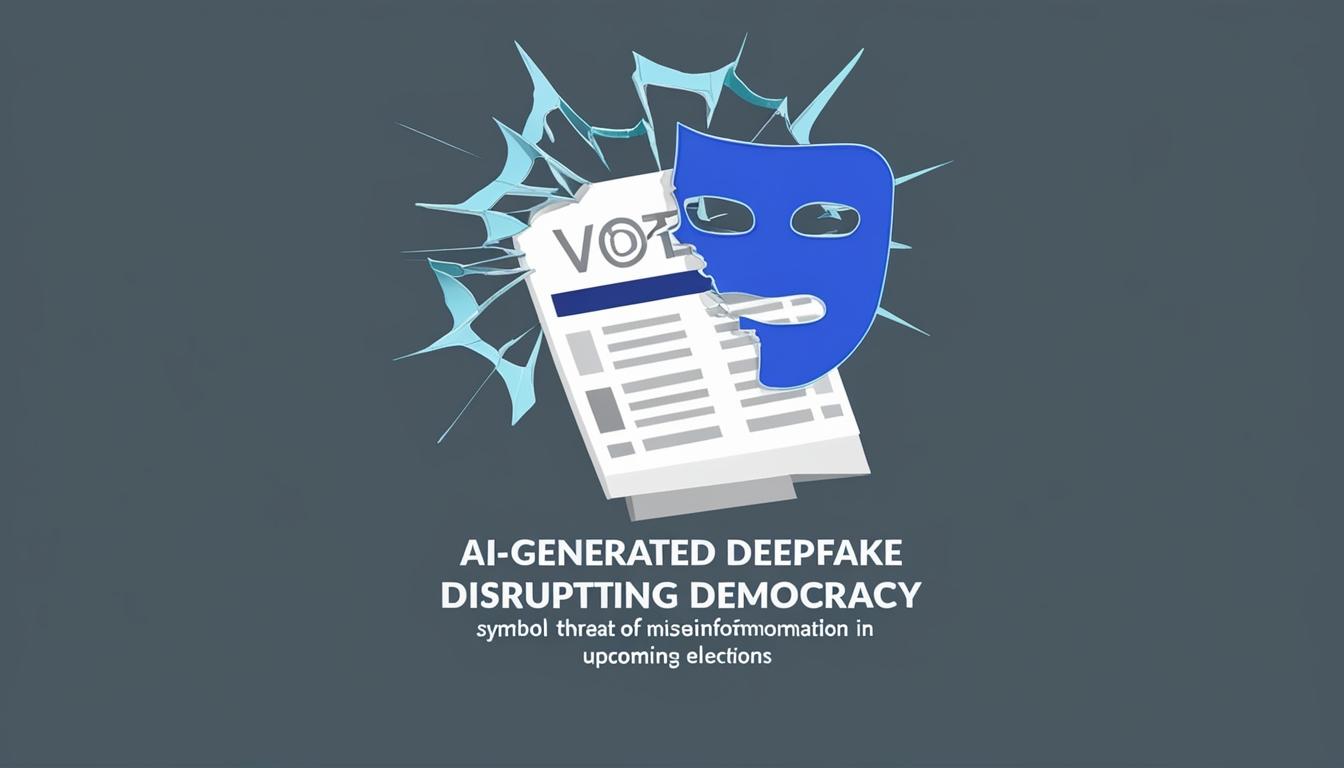
As the United States prepares for an impending election, concerns about the use of artificial intelligence (AI) and deepfake technology to spread disinformation are escalating. Representative Yvette Clarke, who serves New York’s 9th congressional district, has emphasised the extent to which these technologies are being utilised to manipulate public perception and potentially disrupt democratic processes. Clarke, also the vice chair of the House Energy and Commerce Committee, highlighted the urgent need for action in this domain.
In an interview, Clarke shed light on nation-state attacks targeting presidential campaigns and the alarming rise of AI-generated disinformation. Emphasising the challenges posed by an ever-evolving digital landscape, she noted how these technologies could be manipulated to interfere with electoral processes, undermining the very foundation of democracy. Clarke’s legislative actions, such as sponsoring numerous cybersecurity-focused bills, underscore the immediate need to address these threats systematically.
The Federal Bureau of Investigation (FBI), alongside partners from the Office of the Director of National Intelligence (ODNI) and the Cybersecurity and Infrastructure Security Agency (CISA), is actively countering misinformation efforts. In a recent joint statement, the agencies revealed the detection of misleading video content linked to Russian actors. These videos falsely depicted events aimed at swaying voter opinions and demoralising trust in the integrity of the election.
Deepfake technology highlights a significant challenge in combating political misinformation. By employing AI-driven editing tools, bad actors can generate highly believable content that misrepresents reality, often depicting prominent figures in situations that never occurred. Such fabrications are difficult to discern from authentic footage, complicating efforts to maintain informed electoral participation.
Clarke has pointed out that social media platforms bear a share of responsibility in mitigating the spread of deceptive content. Still, she believes that these digital venues have been insufficient in their current measures. She advocates for statutory obligations that would require such platforms to indicate when content has been manipulated, ensuring consumers are informed about the authenticity of the media they encounter.
This context of misinformation has only been compounded by recent fabricated videos purporting to show the FBI involved in election-related tampering—further muddying the informational waters ahead of vital democratic participation. The FBI advised the public to critically appraise the sources of political information encountered online and to report questionable content to either social media platforms or law enforcement.
The dual message from lawmakers and federal authorities is clear: enhancing cybersecurity posture and public awareness are pivotal as America navigates a technological landscape where threats can emerge rapidly and with significant reach. Clarke’s work with AI policy initiatives and the broader legislative push for cybersecurity reform aim to fortify defences against misuse of emerging technologies like AI, while also encouraging technological innovation.
As elections draw near, stakeholders emphasise the significance of vigilance, urging both the electorate and the private sector to be conscientious about the information they disseminate and consume. The overarching goal remains to safeguard the election process from digital subterfuge and ensure that the voices of the populace are the guiding force in political decision-making.
Source: Noah Wire Services