Examining the Role of Artificial Intelligence in the 2024 US Presidential Race
As the 2024 US presidential elections loom, artificial intelligence (AI) has taken centre stage in policy discussions regarding emerging technologies. The prevailing discourse suggests that the forthcoming election will not only influence American politics but will also shape global standards on AI governance.
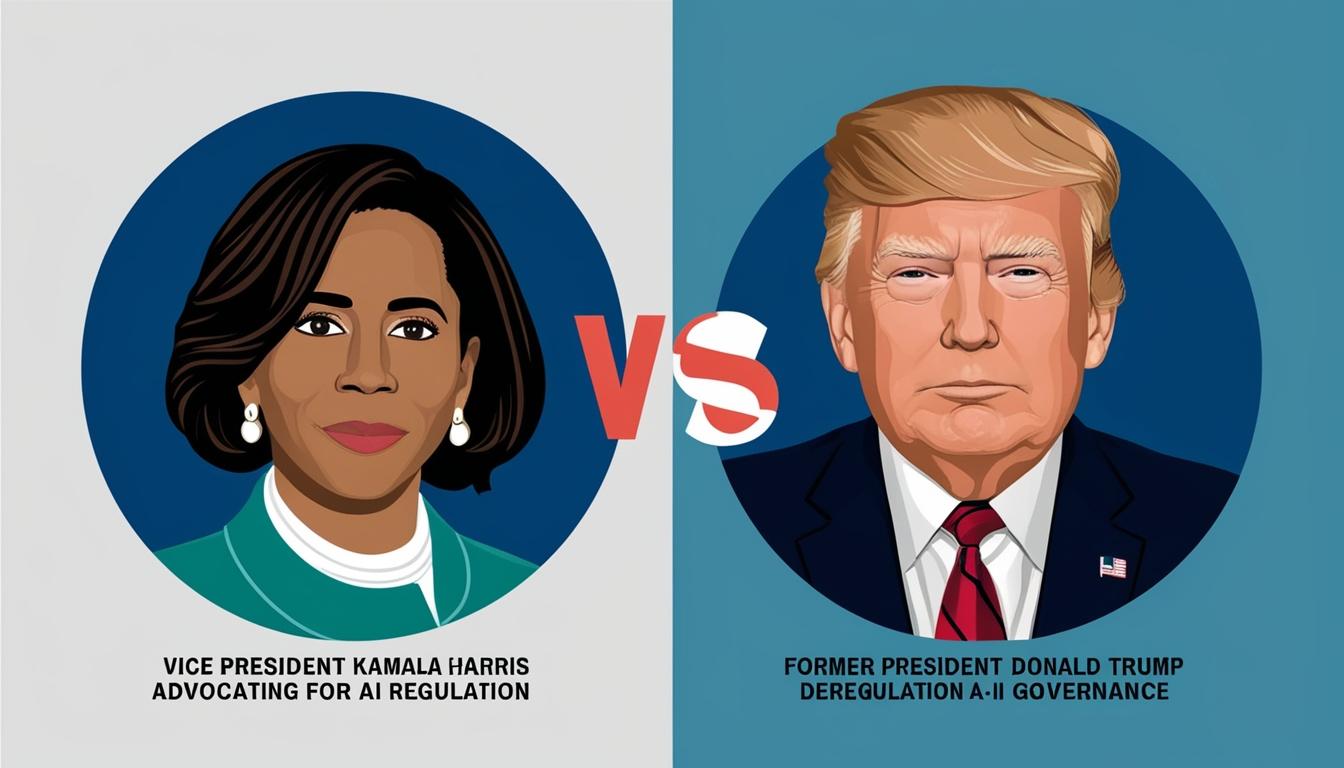
At the forefront are Vice President Kamala Harris and former President Donald Trump, both highlighting diverging visions for the future of AI. Harris champions a regulatory framework that prioritises safety, ethics, and accountability, aligning with the Biden administration's efforts. Meanwhile, Trump promotes a deregulation stance to foster innovation, suggesting current measures inhibit American competitiveness.
Harris's Tech Regulation Vision
Vice President Kamala Harris, should she be elected, intends to continue the regulatory momentum initiated by the Biden administration. She pledges to advance federal investments in AI research, substantially focusing on projects that ensure safety, transparency, and accountability. Harris's campaign underscores the expansion of the National Artificial Intelligence Research Resource, which facilitates academic and industrial access to vital computing resources and government datasets.
In addition, Harris voices robust support for privacy and data protection. Her advocacy for an AI Bill of Rights aims to safeguard civil liberties, ensuring AI systems are fair and transparent. Her strategic vision extends globally, as evidenced by her participation in the Bletchley Declaration, where she helped promote the establishment of international norms around AI development.
Trump's Deregulation Approach
In contrast, former President Donald Trump intends to dismantle existing AI regulatory frameworks, viewing them as restrictive to American innovation. Trump's campaign criticises the Biden administration's policies, claiming they hinder AI development and assert a strategic disadvantage against China.
With a focus on encouraging free-market principles, Trump’s campaign suggests that deregulation will empower technological advancement and promote free speech. His agenda points towards a reduction in governmental oversight, allowing tech firms more latitude in their innovation efforts.
AI Bias and Ethical Concerns
Amidst the ongoing debate, the candidates differ significantly on addressing AI bias and discrimination. Harris makes combating algorithmic discrimination a priority. Under her leadership, she supported legislative efforts to address bias in AI applications, notably in law enforcement. Her commitment to addressing inequity through technology is clear.
Trump, however, downplays the concerns over AI bias, considering them exaggerated. He suggests that addressing bias might hinder innovation, especially in a competitive global environment.
Navigating Crypto, Cybersecurity, and Antitrust Issues
In the realm of cryptocurrency, Harris advocates for a balanced approach, aiming to safeguard consumer interests while fostering innovation. In contrast, Trump proposes a deregulated environment, minimising government intervention. On cybersecurity, Harris champions a robust response to cyber threats, while Trump’s stance remains less defined, particularly concerning international collaboration on cyber issues.
When it comes to antitrust regulations, Harris is expected to follow the Biden administration's firm approach against tech giants suspected of anti-competitive practices. Trump’s position suggests ambiguity, as he has historically been vocal about the perceived bias of major tech companies yet may lack a consistent strategy for antitrust enforcement.
The Semiconductor Supply Chain
The semiconductor industry, crucial for maintaining technological leadership, also features prominently in both campaigns. While both Harris and Trump back the continuation of the CHIPS and Science Act, aimed at bolstering domestic semiconductor production, they have different strategies for implementation. Harris focuses on ensuring equitable distribution of the benefits, whereas Trump appears to prioritise corporate incentives and deregulation.
US Leadership in AI: Challenges Ahead
The US is seen as a key player in AI development but faces challenges, including fragmented state regulations and partisanship that could influence its position on the global stage. Both Harris and Trump make commitments to drive national AI development, yet their divergent approaches suggest differing impacts on innovation and regulation.
The international context, with countries like the EU progressing with stringent AI regulatory frameworks, further complicates the US's role in shaping global AI governance.
As the election approaches, the technological policies set forth by Harris and Trump will contribute significantly to the broader discourse on tech governance, impacting businesses and consumers alike. The election's outcome is anticipated to steer the direction of US technological leadership and potentially influence the global tech landscape in the years to follow.
Source: Noah Wire Services