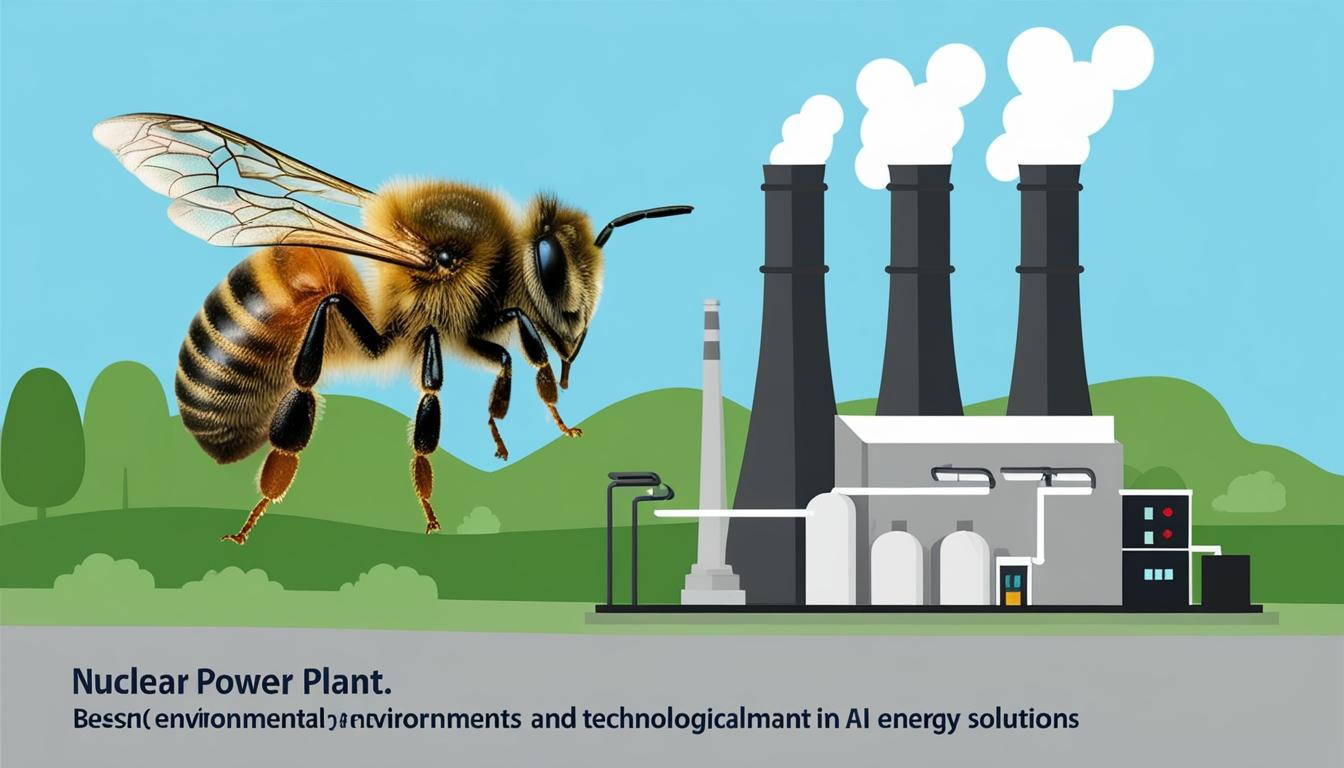
Mark Zuckerberg's Meta has hit a stumbling block in its plans to establish an artificial intelligence data centre powered by nuclear energy in the United States. The project has encountered significant challenges, including the discovery of a rare bee species on the proposed site, environmental concerns, and regulatory hurdles, according to individuals familiar with the situation.
The ambitions of Meta revolved around securing a partnership with an existing nuclear power plant to ensure a steady supply of emissions-free electricity necessary for the ambitious data centre, which was intended to bolster the company’s foray into artificial intelligence. This move was seen as crucial in a competitive landscape where tech giants such as Amazon, Google, and Microsoft have already moved forward, securing agreements with nuclear power operators to support the increasing energy demands required for high-performance AI models. Remarkably, AI-related operations demand significantly more power; a single AI query can require up to ten times the energy of a standard Google search, underscoring the need for a reliable energy source.
However, the revelation of a rare bee species inhabiting land adjacent to the intended construction site further complicated an already challenging scenario. This information was reportedly shared by Zuckerberg himself during a recent Meta all-hands meeting, indicating the impact of this environmental factor on the progression of the project. The presence of such a species typically necessitates comprehensive environmental assessments and considerations, often leading to delays or modifications of proposed projects to mitigate ecological impacts.
In response to these obstacles, Meta continues to examine alternative options for securing carbon-free energy, maintaining an interest in nuclear power despite the current setback. Whilst nuclear energy is increasingly seen as a promising solution for providing consistent, round-the-clock power, particularly in the context of burgeoning AI technologies, it also presents significant barriers. These include the notable upfront investment required and extended development timelines. Furthermore, geopolitical factors come into play, as the Western nuclear industry has historically depended on Russia for nuclear fuel—a factor that could affect long-term sustainability and supply chain security.
Despite these challenges, the pursuit of nuclear energy as part of the energy mix in the tech sector remains influential. As the "AI wars" intensify among leading technology companies, the race to secure sufficient and sustainable energy sources to power these transformative, yet energy-intensive, technologies continues unabated. Meta’s setback illustrates the complex interplay of innovation, environmental stewardship, and regulatory frameworks currently shaping this rapidly evolving industry.
Source: Noah Wire Services