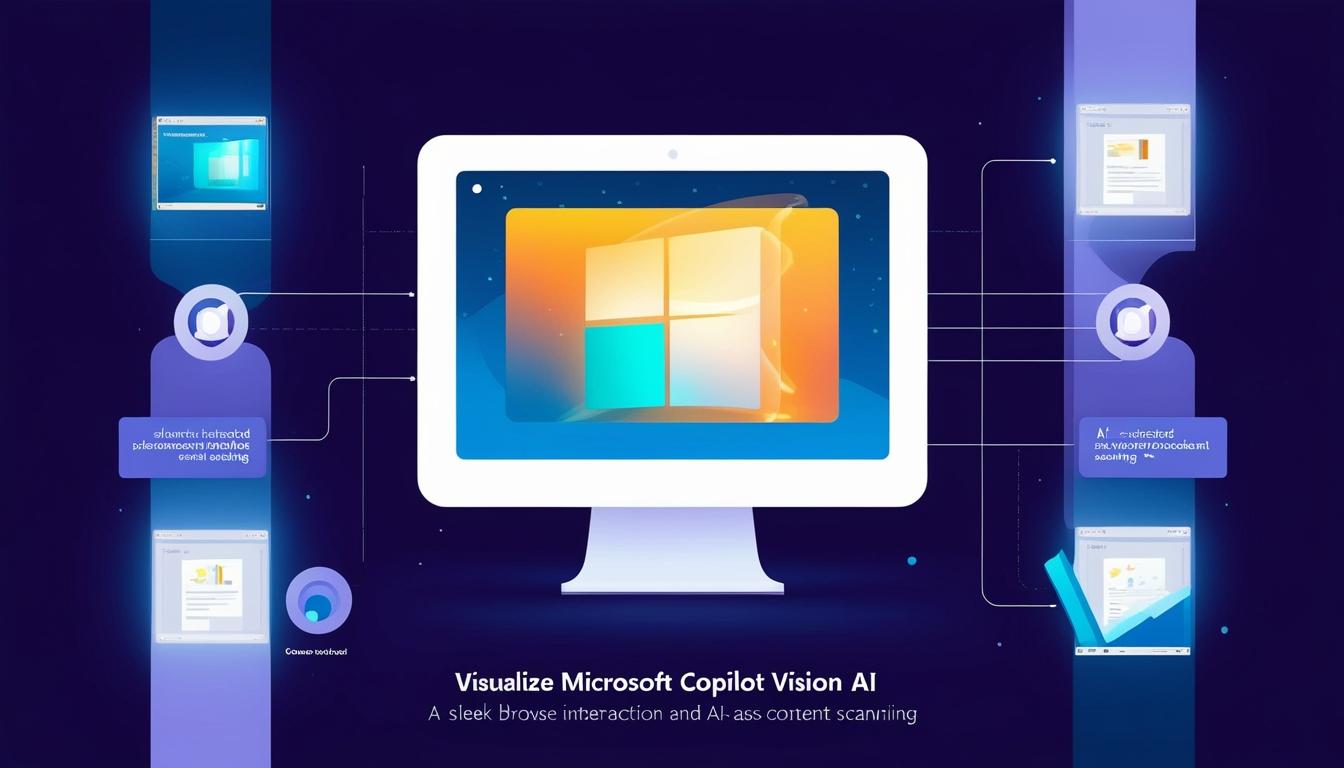
Microsoft Prepares to Roll Out Copilot Vision AI Assistant Feature Easily Accessible for Users
Microsoft is set to launch a highly-anticipated feature for its Copilot AI assistant dubbed Copilot Vision, which will allow it to observe and interact with the content users are viewing on their screens. This update was initially teased on a social media post on X and follows an extensive testing period within the Copilot Labs experiment hub, where it was made available to a select group of users.
Key Features and Implementation
Upon its general release, the Copilot Vision functionality will be integrated into the Microsoft Edge browser, offering users a seamless experience. To activate the AI's latest tool, users will simply click on a newly introduced screen-like icon within the browser interface. Copilot Vision is engineered to scan and interpret what is displayed on the user’s screen. Whether the content is text from a website, typed, or even handwritten documents, the AI will have the capacity to observe and respond to any material the user is engaged with.
This modern update allows users to receive instant suggestions and answers without the need for additional search queries. For instance, when planning a trip, users can get recommendations directly related to the page they are viewing, eliminating the need to browse through multiple sources. Similarly, alterations to cooking recipes found online can be discussed with Copilot Vision providing relevant substitution ideas or culinary tips without navigating away from the current page.
Privacy Considerations and Future Prospects
The introduction of Copilot Vision marks a significant shift from traditional chatbot functionalities, which typically require user input for context. Instead, Microsoft aims to provide an intuitive assistant that perceives and processes the same information as the user, offering insights without prior elaboration.
In addressing privacy concerns, Microsoft has assured users that Copilot Vision will not retain any browsing data from previous sessions. The tech company has emphasized that user data will not be stored or used post-session termination. Furthermore, the feature will initially be compatible with a limited selection of popular websites that meet Microsoft's exacting security and privacy standards. This phased rollout strategy is part of Microsoft’s cautious approach to ensure user experience and data protection align with its corporate guidelines.
Given the competitive landscape, as other tech giants such as ChatGPT and Claude extend their AI functionalities with desktop applications, Microsoft’s Copilot Vision aims to set a new benchmark for AI assistants in the digital space. By introducing such a sophisticated feature, Microsoft positions itself to better compete and potentially lead in the ever-evolving AI tools market.
This development signifies an important milestone in AI assistant technology, illustrating both the advancements in AI capabilities and ongoing considerations for user privacy and data security. As Copilot Vision becomes available to a broader audience, its performance and reception will likely influence the future trajectory of AI integration in everyday digital tasks.
Source: Noah Wire Services