NICE Introduces CHEERS-AI to Enhance AI Cost-Effectiveness Reporting in Healthcare
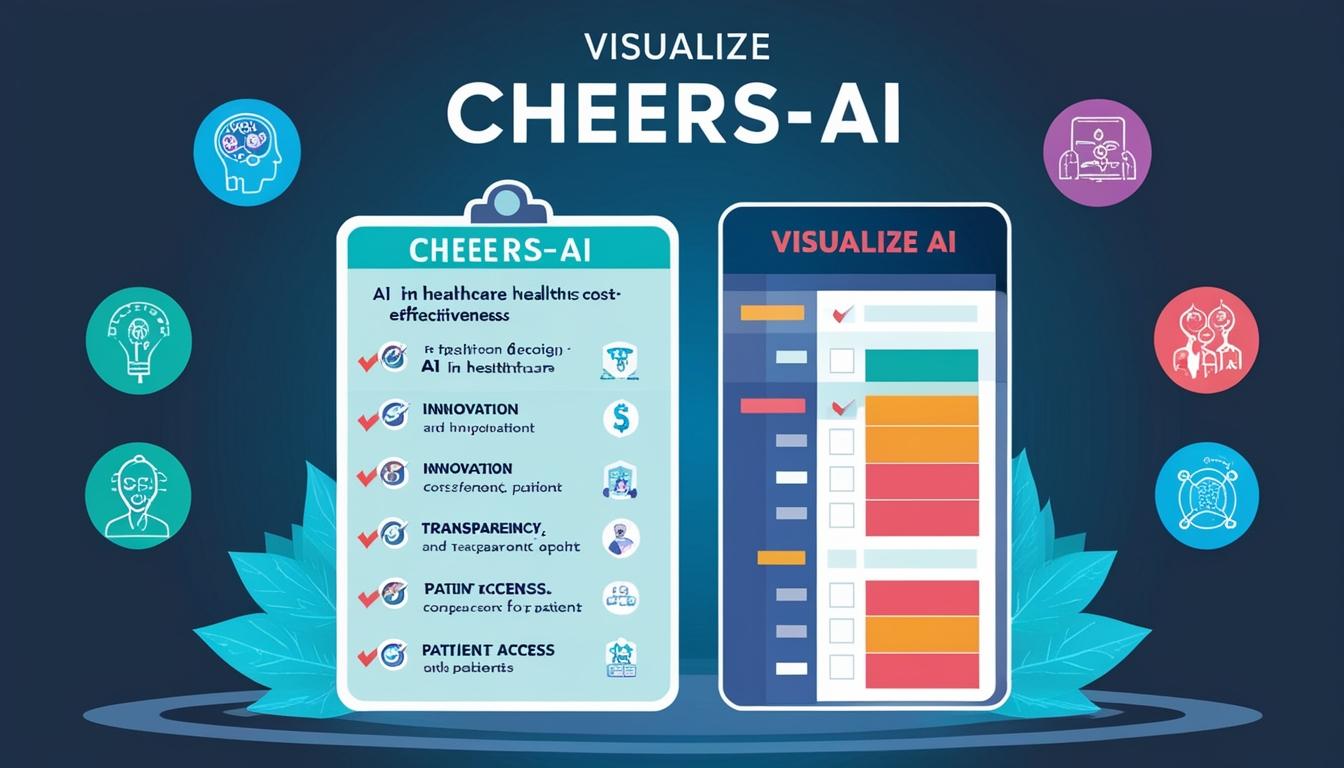
The National Institute for Health and Care Excellence (NICE) has announced the launch of a new reporting standard, aiming to enhance the transparency and quality of cost-effectiveness studies related to artificial intelligence (AI) technologies in healthcare. The initiative, known as CHEERS-AI, is designed to aid healthcare decision-makers in evaluating the value of AI-driven treatments, potentially accelerating patient access to the most promising medical innovations.
Following an extensive systematic review, NICE identified a series of challenges and inconsistencies in existing reports of AI health economic evaluations. Concerns were raised about the quality of input data, conflicts of interests, transparency deficits, and ambiguities concerning AI functionalities. In response to these identified issues, NICE has developed the CHEERS-AI tool to assist healthcare professionals and policymakers in making informed reimbursement decisions regarding AI technologies.
CHEERS-AI: A Framework for Improved Reporting
The CHEERS-AI tool builds upon a foundation of 28 pre-existing standards from prior reporting guidelines and introduces an additional 18 elements to address AI-specific considerations. Newly included standards focus on unique aspects of AI, such as user autonomy and the technology's ability to learn and evolve over time. NICE envisions that the comprehensive checklist will promote transparency and reproducibility in reports on AI applications within healthcare economics.
With the growing presence of AI in healthcare, NICE aims to elevate the standard of economic evaluation reporting, ensuring that innovations are both effective and responsibly integrated into healthcare systems.
AI in Healthcare: Trends and Concerns
The conversation around AI in healthcare continues to unfold, as was evident in a recent panel discussion hosted by Health Tech News (HTN) in August. The discussion focused on whether AI can meet current expectations and how to manage inherent biases within healthcare data. Key topics included defining responsible AI usage and ensuring equitable and inclusive AI deployment across the NHS.
A concurrent poll conducted via LinkedIn revealed that regulation is the foremost concern among industry stakeholders regarding AI in healthcare, surpassing issues of equitability, bias, and transparency.
Advancements and Innovations in AI
October saw various advancements within the NHS concerning AI applications. These include aiding diagnosis, personalising treatment, and predicting diseases. Significant developments include DeepHealth's acquisition of London-based Kheiron Medical Technologies Limited, aiming to expand its AI-powered diagnostic capabilities, and University Hospitals Coventry and Warwickshire's implementation of AI to improve patient experiences.
NHS England also disseminated guidelines on evaluating AI projects, based on insights from the 'Artificial Intelligence in Health and Care Award,' which ran until 2024, supporting AI technology development and deployment.
Broader Innovation Initiatives
Beyond AI, innovations continue to flourish within the NHS landscape. The Alzheimer’s Society is seeking applications for its 2025/26 accelerator programme, targeting products and services that ease daily tasks for individuals with dementia. Meanwhile, Royal United Hospitals Bath NHS Foundation Trust has initiated a digital inclusion team to enhance healthcare access.
North Tees and Hartlepool NHS Foundation Trust has employed livestreaming technology within maternity care, facilitating real-time observation of caesarean sections for educational purposes. Additionally, the Midlands Partnership University NHS Foundation Trust has unveiled an immersive simulation suite for staff training, while Leeds Teaching Hospitals NHS Trust has outlined a comprehensive IT strategy to drive digital efficiency and service innovation.
These efforts reflect a concerted push towards embedding technology and innovation within the UK healthcare sector, supporting ongoing efforts to improve patient outcomes and service efficiency.
Source: Noah Wire Services