Stability in Commercial Property Insurance Rates Amid Complex Equipment Challenges
In the world of commercial property insurance, recent years have witnessed a tumultuous landscape characterised by fluctuating rates. However, there is a silver lining as property insurance rates seem to have stabilised in the second quarter of 2024, albeit with businesses experiencing single-digit increases. The current climate emphasises the need for organisations to closely monitor their property exposures, especially concerning the high-tech and specialised equipment crucial for their operations.
The potential breakdown of business equipment poses a substantial risk, leading to property damage, business interruptions, and increased costs for repairs or replacements. Michele Sansone, Chief Underwriting Officer for Property in Americas at AXA XL, noted that the ever-evolving nature of property risks, particularly with advanced technology in distribution centres and electronic sorting systems, significantly contributes to increased insured property losses. Cheryl Geidel, Vice President for Equipment Breakdown at AXA XL, highlighted that the absence of backup for specialised machinery can create substantial exposure for businesses.
The cost of complex equipment and its repairs is on the rise, fuelled by expensive replacement parts and the specialised technicians required for diagnostics. These factors make it increasingly critical for businesses to mitigate their potential impact through risk management and accurate valuations of equipment.
Two significant factors are impacting property insurance rates: natural catastrophes and supply chain disruptions. Global catastrophe loss modelling by Verisk for 2024 indicates that average annual losses from natural disasters have soared to $151 billion. This sharp rise in the frequency and severity of catastrophic events has put substantial pressure on the catastrophe insurance market. Sansone explained that the market's pricing hinges on the specific peril being insured, such as hurricanes or wildfires, further adjusted to reflect the heightened risk exposure.
Parallel to these natural challenges, supply chain disruptions represent another considerable headache for businesses. Long lead times for components and equipment have extended business interruption periods, with lead times reaching 15 to 18 months. Rising materials and labour costs add to this burden, driving up the frequency and cost of claims while highlighting contingent business interruption risks.
Proper valuation of property, particularly equipment, stands as a critical element in managing equipment breakdown costs. Despite a general decline in rates, ensuring accurate valuations of property and equipment remains essential. According to Sansone, incorrect valuations could leave businesses underinsured, with insurance payouts failing to cover the costs of repairs or replacements.
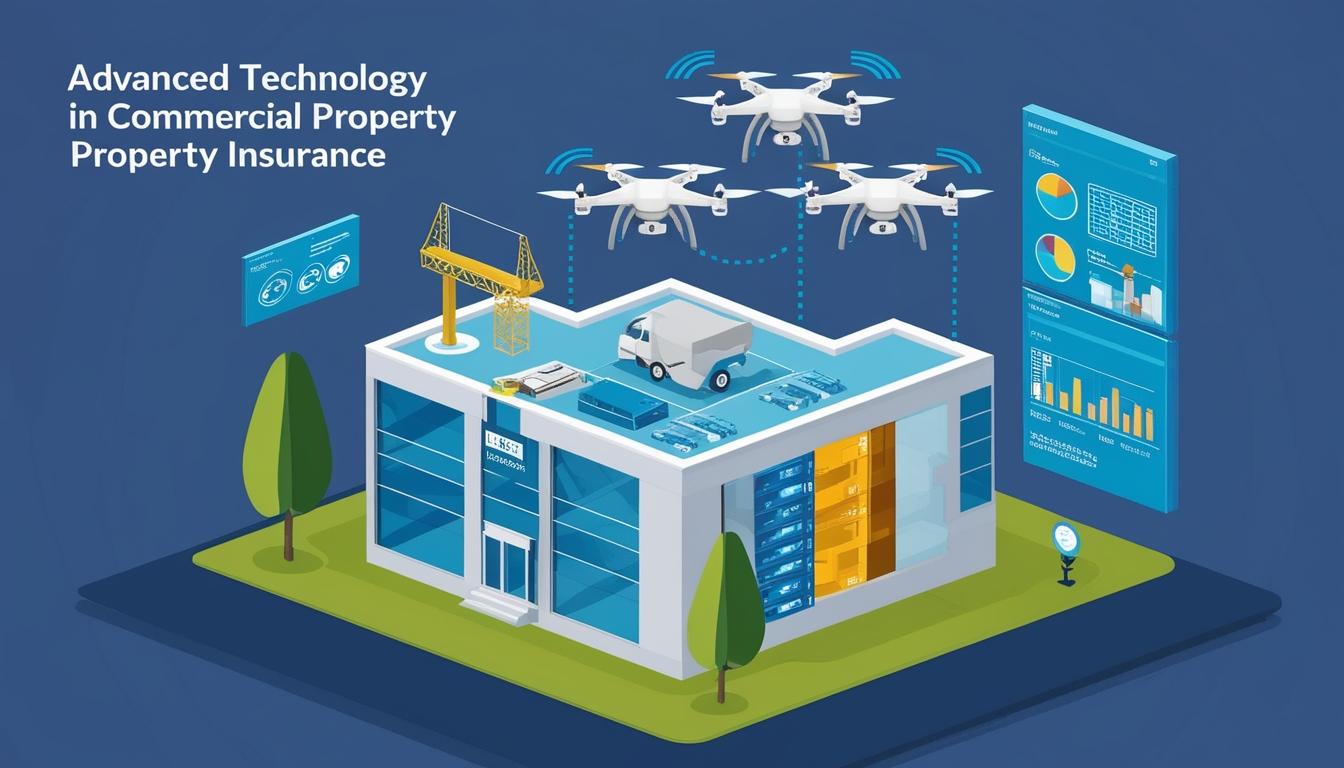
Advanced technology is playing a pivotal role in fortifying property protection. Innovations such as advanced weather modelling, wildfire modelling, and drone inspections enable quicker and more precise damage assessments. Additionally, data sharing is considered a key component in bolstering market resilience and providing clients with enhanced support in the face of incidents.
AXA XL takes a comprehensive approach to risk management, focusing on building lasting partnerships with clients to improve their overall risk profiles. With a dedicated team of over 400 risk engineers working closely with underwriters, the company ensures that detailed insights and accurate data collection drive their decision-making processes. This strategy not only streamlines the claims process but also facilitates a thorough understanding of potential claim scenarios, thereby enhancing preparation and effective handling.
In a complex and dynamic environment, businesses must remain vigilant in their risk management efforts, ensuring their strategies align with the evolving landscape of commercial property insurance and equipment vulnerabilities.
Source: Noah Wire Services