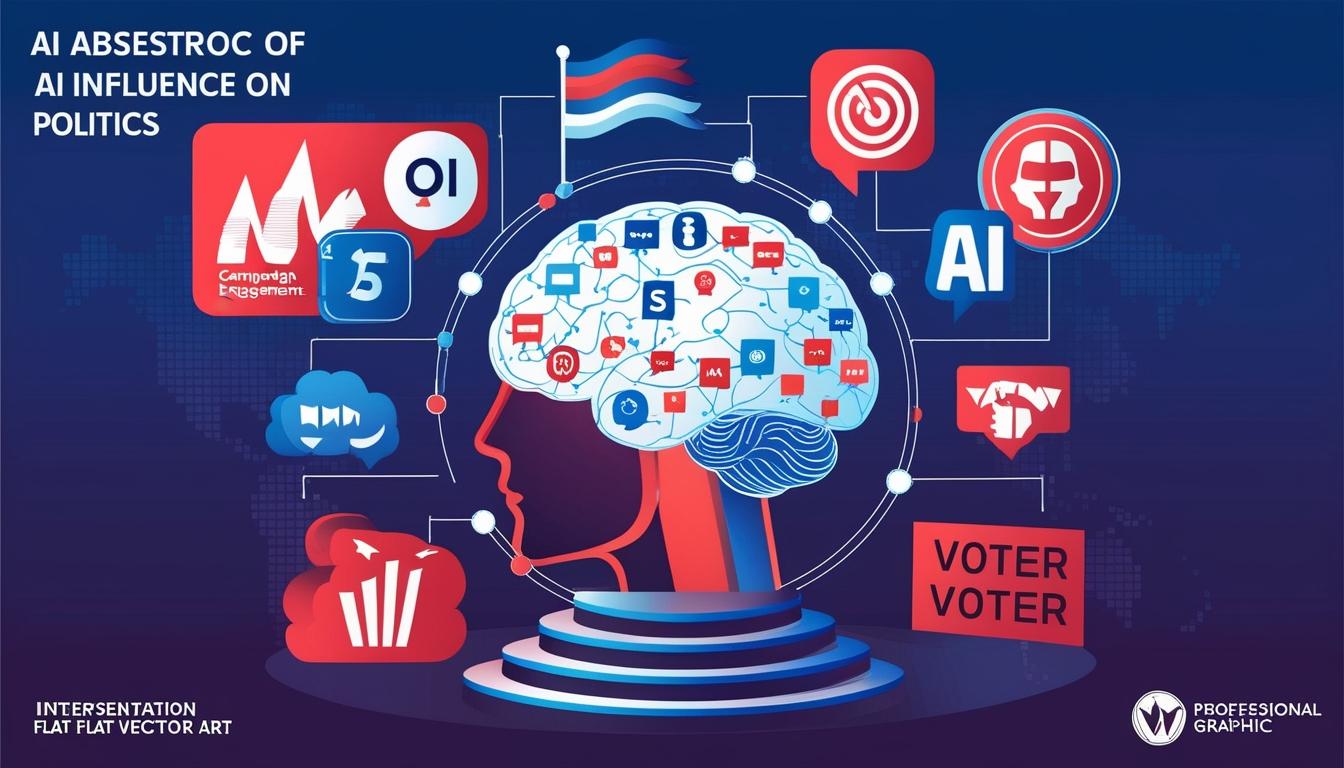
In the lead-up to the 2024 U.S. presidential election, the intersection of artificial intelligence (AI) and politics is becoming increasingly pivotal. This development holds profound implications for business owners who must navigate the evolving interplay between technology, regulation, and consumer behaviour.
AI’s role in the political realm extends beyond mere campaign advertisements; it is reshaping how information is generated and circulated among voters. This transformation presents both opportunities and challenges that can significantly impact businesses across various sectors.
Influence on Voter Engagement and Information Dissemination
AI technology is revolutionising voter engagement strategies. It enables political campaigns to tailor messages for individual voters, potentially boosting political participation. AI-powered tools, such as chatbots, enhance voter access to information around the clock. However, the same technological advancements also contribute to the proliferation of disinformation. The rise of AI-generated deepfakes and misleading content raises concerns about misinformation affecting public perception and trust.
Regulatory Implications and Economic Consequences
The 2024 election could bring significant shifts in AI regulation, contingent on the political leaders who come to power. These regulatory changes are critical for businesses utilising AI in their operations, as they could face impacts ranging from data privacy issues to challenges related to algorithmic bias.
Consumer trust is another concern for businesses in this AI-driven political environment. With AI propelling misinformation, consumers are increasingly wary of digital content, affecting their trust in brands and altering their purchasing decisions. Businesses must consider how to maintain and build brand loyalty amidst such scepticism.
Moreover, AI's influence on voter behaviour may lead to changes in economic policies, impacting areas like taxation, labour laws, and international trade agreements. As consumer expectations shift due to political developments, businesses might need to adapt their practices, such as embracing eco-friendly approaches or revising labour policies.
Strategic Approaches for Business Leaders
Business leaders are advised to adopt several strategic measures to successfully navigate this evolving AI-political landscape:
Develop AI Ethics Policies: Establish comprehensive AI ethics policies covering data protection, transparency, and fairness in AI applications.
Invest in AI Literacy: Enhance understanding of AI technologies among leadership to make informed decisions and anticipate regulatory changes.
Scenario Planning: Undertake scenario planning to foresee potential impacts of different political outcomes on industries, which can offer a competitive edge.
Engage in Advocacy: Participate in advocacy groups focused on AI policy development, lending business voices to these critical discussions.
Strengthen Data Security: Implement strong data privacy and security measures to prepare for potential breaches and future regulatory compliance.
Build Consumer Trust Through Transparency: Clearly communicate AI usage practices to build trust with increasingly sceptical consumers.
As AI continues to solidify its role in the political sphere, businesses must remain vigilant and proactive in their strategies. By preparing for the diverse outcomes of AI-driven political dynamics, business owners can safeguard their operations and potentially thrive within this rapidly changing landscape.
Source: Noah Wire Services