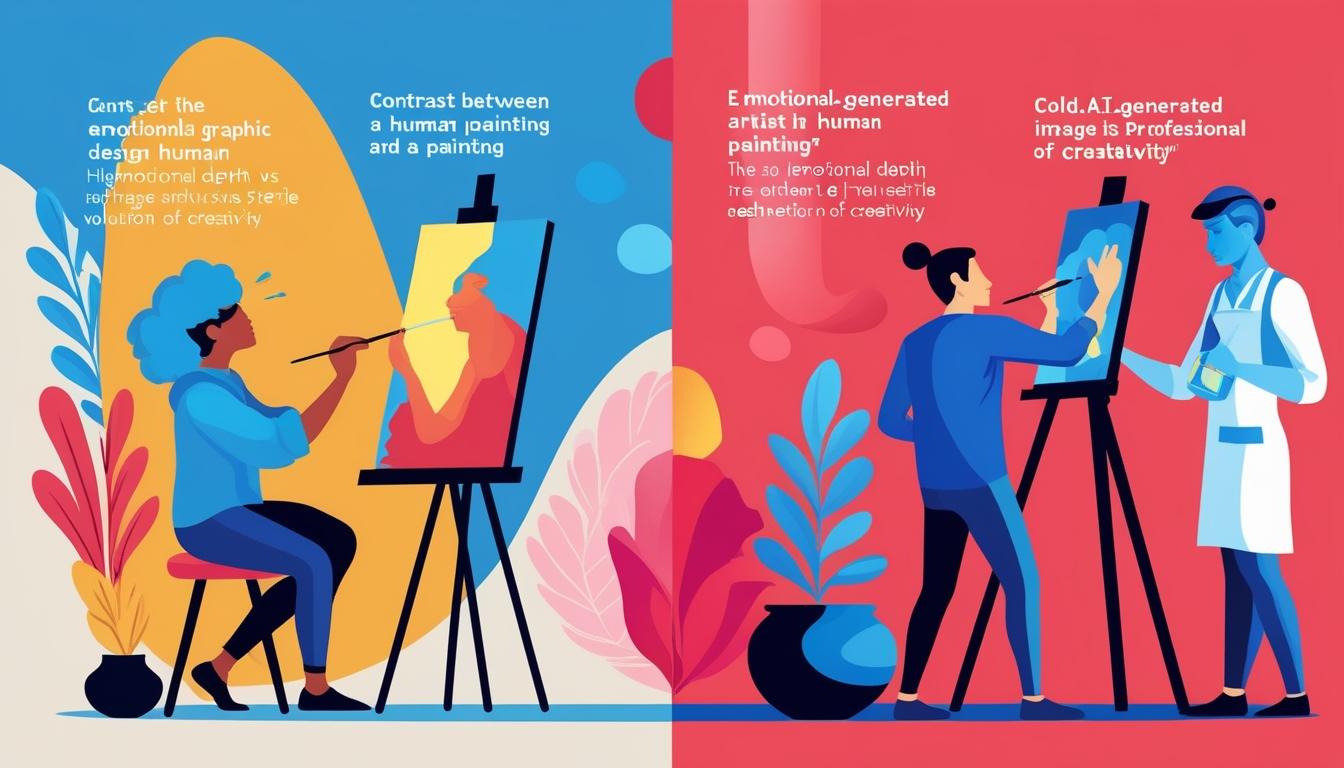
AI-generated imagery is increasingly becoming a fixture in the creative landscape, but its rise is not without controversy. The technology, which has gained momentum for its ability to rapidly produce visually attractive stock photos, poses significant challenges to the creative industry. It raises concerns about creativity, authenticity, job security, and ethical responsibilities. This multifaceted issue touches numerous stakeholders within photography, content creation, and beyond.
The primary concern centres around the perceived lack of creativity in AI-generated imagery. Stock photographs crafted by AI often miss the human touch that real artists bring—things such as storytelling, emotional resonance, and creative flair rooted in personal experiences and culture. According to critics, the polished exterior of AI-generated images lacks depth and authenticity, often leaving them feeling generic or emotionally hollow compared to their human-made counterparts. This lack of genuine creativity is pointed out as a significant downside, with some creators expressing apprehension about AI's inability to capture the nuanced essence of human emotions and perspectives.
Another critical area of concern is the undercutting of authentic human content by AI-generated images. With their low cost and rapid production, AI-created images overshadow the skill, effort, and time invested by human photographers and artists. This economic advantage for businesses inadvertently sidelines professional photographers and creatives who rely on projects and commissions as their livelihood. The creative industry's overreliance on AI outputs risks flooding the market with homogeneous content, potentially stifling innovation and the marketplace for truly unique artistic expressions.
The employment landscape for creative professionals is also shifting due to AI innovations. Photographers, illustrators, web designers, and other creatives who have honed their craft over years are now facing competition from automated systems capable of producing a vast amount of content at unprecedented speed and low cost. For these professionals, the challenge is not merely about job loss, but rather a broader cultural shift away from valuing human artistry and imagination.
Further complicating the issue is the ethical dilemma posed by AI-generated imagery, specifically concerning reproduction without consent and the potential for misuse. High-profile individuals, including Taylor Swift, Drake, Nicki Minaj, and Cardi B, have had unapproved AI-generated images circulated, raising concerns about privacy violations and the lack of recourse due to the anonymity of AI processes. The growing use of AI technologies in creating 'deepfakes' underscores the problematic potential for harm, deception, and loss of accountability because AI lacks a clear creator to hold responsible.
In contrast, traditional stock photography involves tangible creative processes where accountability and intellectual property are more straightforward. Human-generated content carries with it a storyteller’s voice, a richness of context, and a direct line of responsibility—traits that are increasingly valued amidst the expanding AI footprint.
As AI continues to develop, its impact on the creative industry prompts an ongoing debate regarding the balance between technological convenience and the integrity of human expression. While AI offers benefits of efficiency and affordability, the discussion continues about its place alongside human creativity in an ever-evolving digital world.
Source: Noah Wire Services