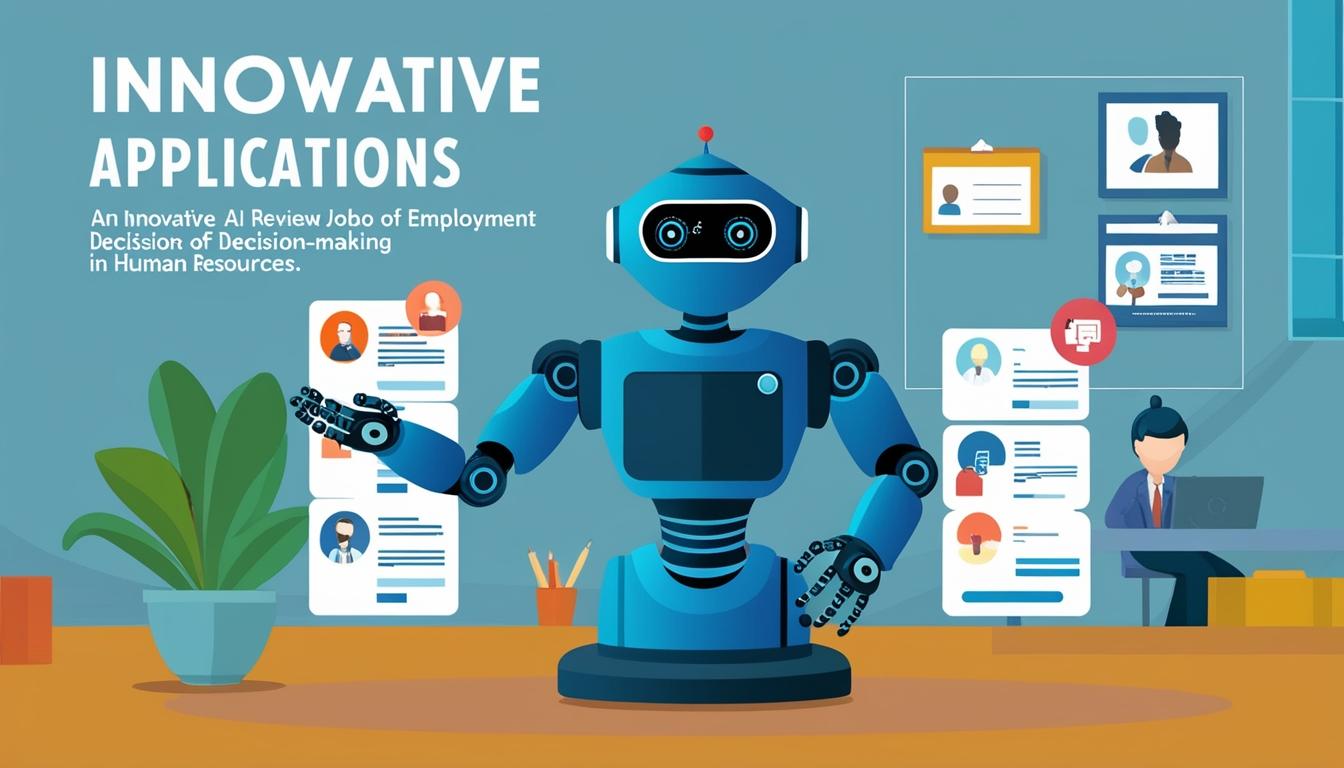
The Rise of Artificial Intelligence in Employment Decision-Making: Insights from The Proskauer Brief
The evolving landscape of artificial intelligence (AI) continues to filter into various sectors, with employment decision-making being one of the more transformative areas. In a recent episode of "The Proskauer Brief: Hot Topics in Labor and Employment Law," industry experts Guy Brenner and Jonathan Slowik delve into the intricacies and potential pitfalls of using AI for hiring and promotions.
Guy Brenner, a partner leading Proskauer's D.C. Labour & Employment practice, is at the forefront of exploring how AI tools can revolutionise employment procedures. Joined by Jonathan Slowik, senior counsel in the firm's Los Angeles office, this multi-part podcast series seeks to unravel what employers must understand about integrating AI into their decision-making processes.
Understanding AI in the Employment Context
AI is defined as the simulation of human intelligence by machines programmed to think and learn. This technology range is broad, encompassing tools capable of performing tasks that would traditionally require human oversight. As Slowik mentions, AI can seamlessly interface with human-defined objectives to make data-driven predictions and decisions.
With advancements in AI, many platforms, such as ChatGPT, are increasing their capability to perform tasks that were once considered mere science fiction. Brenner notes the power of progressive AI versions that are coming closer to mimicking human cognitive functions.
Practical Applications for Employers
The advantages of applying AI in the context of human resources include several practical solutions, described as vital by both Brenner and Slowik. One of the prevalent challenges faced today by hiring managers is the overwhelming volume of job applications, particularly with digital platforms like LinkedIn and Indeed simplifying the application process.
To address this, companies have turned to AI résumé scanners that can prioritise or screen applications. These AI systems claim to eliminate human bias by sticking to objective criteria, as described by developers who advocate for their use in enhancing the fairness and accuracy of applicant evaluations.
AI also shows potential in the preliminary interviewing stages. Some employers employ AI to conduct initial candidate interviews, saving both time and resources. These automated interviewers can evaluate responses both for content and behavioural cues, such as facial expressions and speech patterns, to provide a more comprehensive assessment of candidates.
AI's Role in Background Verification and Performance Prediction
In verifying applicant qualifications, AI has introduced solutions capable of cross-referencing résumés with public social media data, identifying discrepancies or embellishments. These advancements suggest a shift towards a more transparent recruitment process.
AI technologies also extend into predicting a candidate's job performance using AI-evaluated tests. These range from cognitive assessments to simulations that measure personality traits and cultural fit. Developers believe such tools offer enhanced insight into a candidate's potential effectiveness within a role.
Employee evaluations, a historically time-consuming element of human resources, are being streamlined through AI. Programmes offering initial drafts of performance reviews, derived from objective data, claim to counter biases such as recency and favouritism, potentially reshaping the face of employee management.
Legal Considerations and the Future Outlook
Despite the apparent advantages, Brenner and Slowik acknowledge that employers must exercise caution in implementing AI tools, as existing anti-discrimination laws still apply. AI's role in employment decisions must be carefully managed to prevent legal violations, as affirmed by federal agencies like the EEOC and the Department of Labour.
The podcast series plans to explore further into the identified potential issues related to AI, such as biases from training data, model opacity issues, and mismatches between AI design and its deployment. These are critical areas where understanding the constraints and features of AI systems is crucial for avoiding inadvertent legal conflicts.
As AI technology continues to evolve, the insights provided by Guy Brenner and Jonathan Slowik underscore the importance of vigilance and informed implementation for employers looking to harness AI's full potential in transforming employment decision-making processes.
Source: Noah Wire Services