Understanding Cookie Consent and Personal Data Use in Digital Services
With the increasing complexity of digital interactions, understanding how personal data is managed through cookies has become crucial for internet users globally. This article aims to elucidate the cookie usage policies commonly employed by websites and applications, exemplified by a recent detailed disclosure offered on a platform that collaborates with partners under the IAB (Interactive Advertising Bureau) Transparency & Consent Framework (TCF).
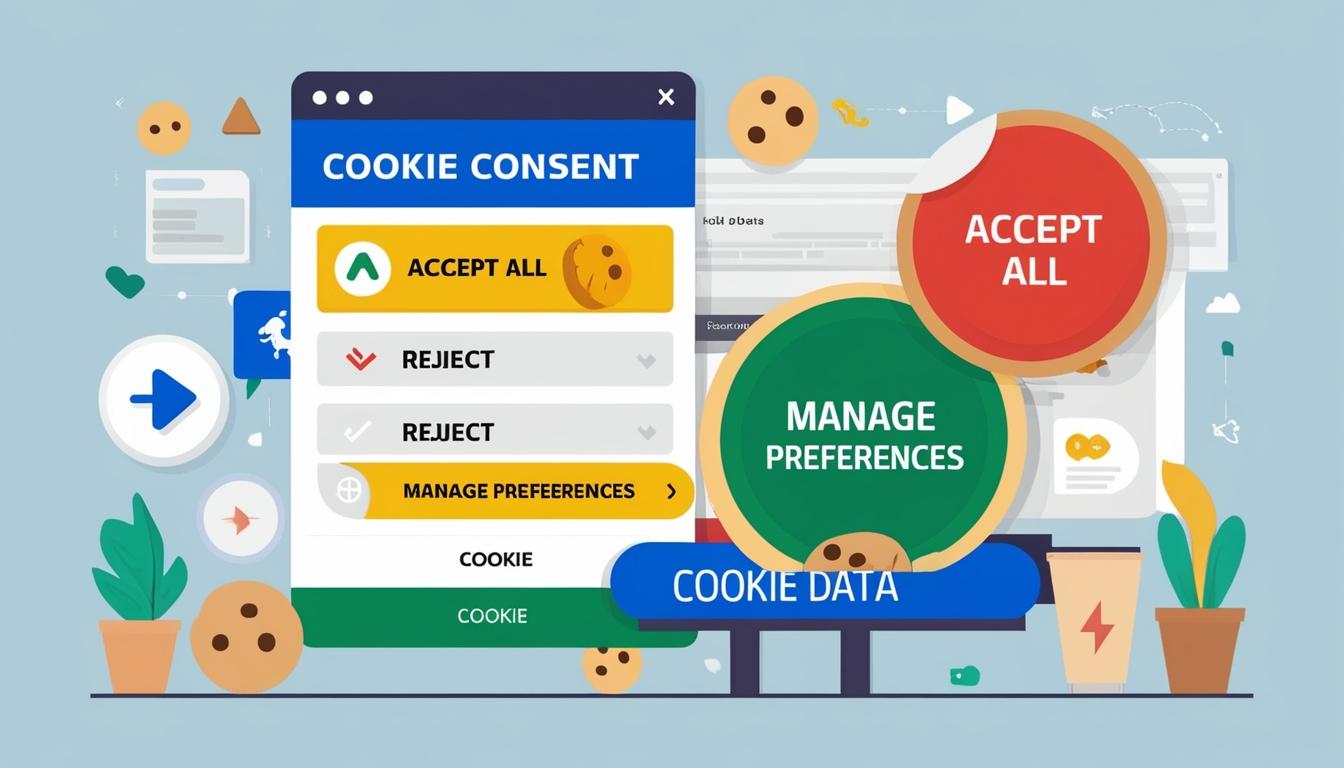
When users visit certain websites or use specific applications, they often encounter a prompt asking for consent to use cookies and access personal data such as IP addresses and browsing behaviours. Cookies, small text files stored on a user's device, serve various purposes including personalising content, targeted advertising, and analytics. This notification typically presents users with multiple choices: to accept all cookies, reject them, or customise their cookie preferences via a 'Manage privacy settings' option.
The partners involved, in this case, numbering 237, are part of the IAB TCF, a widespread initiative that ensures transparency and control for users concerning their personal information. These partners collaborate to store and access data on devices for activities like advertising and content measurement, audience analysis, service development, and personalised content delivery. Users retain the liberty to change their privacy settings at any time, either to adopt only essential cookies or to alter their prior selections.
In practicality, when consent is granted, cookies with the capability to access precise geolocation data and scan device characteristics are employed to enhance the user experience. Such data processing activities are sometimes based on legitimate interest or explicit user consent, depending on regulatory requirements and company policies.
The deployment of these cookies and the processing of data by third-party partners within the IAB framework support operations such as targeted advertising—a method aimed at delivering advertisements that align more closely with user interests. However, users also have the option to opt out at any point, a decision that might reduce the relevance of advertisements seen.
Websites typically provide tools such as a 'Privacy dashboard' to assist users in managing these settings across different devices. In the context of evolving data protection laws and rising user awareness about privacy, these considerations are becoming increasingly significant.
Ultimately, cookie and personal data management remains a pivotal aspect of the digital experience, reflecting a dynamic interplay between user control, personalised experiences, and the commercial strategies of digital platforms. Users are urged to review privacy policies and cookie guidelines carefully to make informed decisions regarding their personal data.
Source: Noah Wire Services