AI and Automation Transform Recruitment: A Global and APAC Perspective
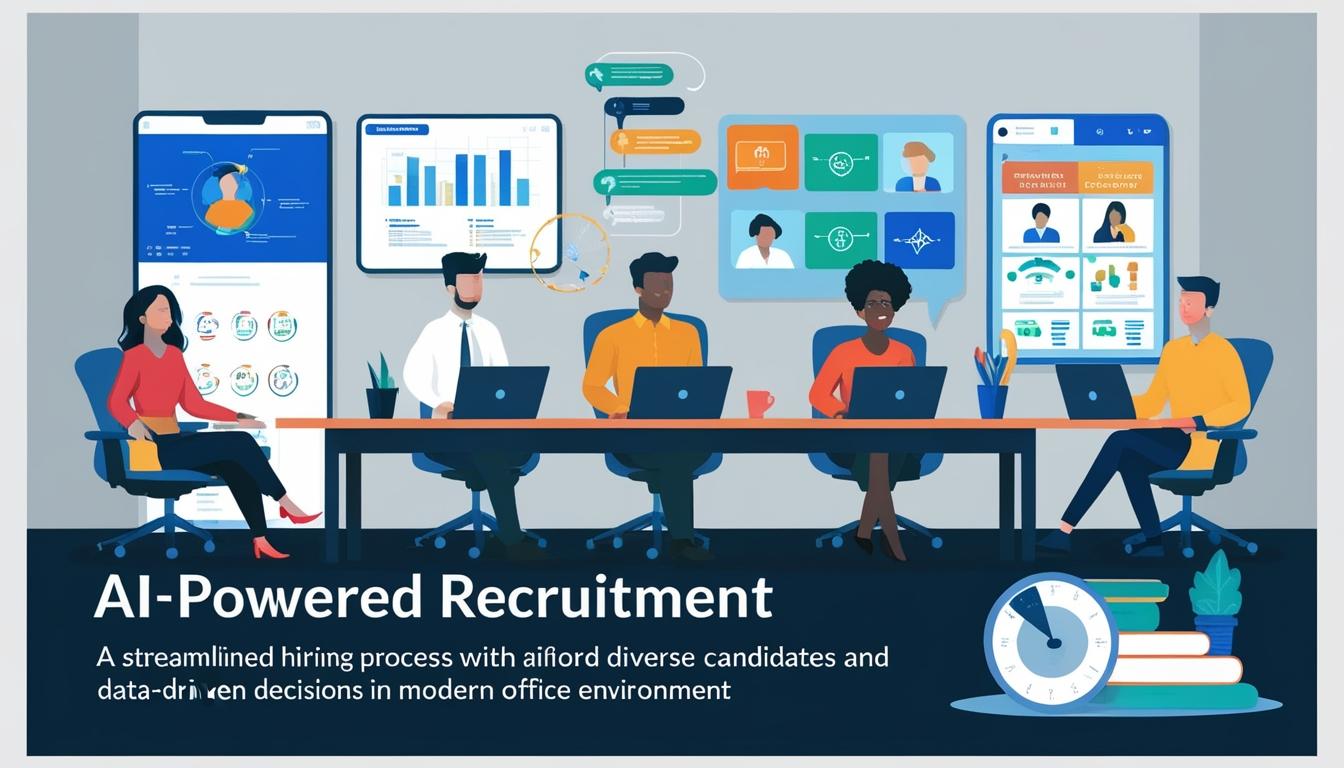
In a world where technology increasingly permeates every aspect of business, artificial intelligence (AI) and automation are making significant inroads into the field of talent acquisition. The global adoption of AI in recruitment is gaining momentum as companies seek to streamline their hiring processes, enhance the candidate experience, and make data-driven decisions.
APAC's Distinctive Approach to AI in Recruitment
The Asia-Pacific (APAC) region presents a unique landscape for AI adoption in recruitment. While the region is home to technologically advanced economies such as China, Japan, and South Korea, the extent and nature of AI integration vary considerably. For instance, countries like Singapore and Australia, with their robust tech ecosystems, have rapidly incorporated AI tools into recruitment practices. However, variations in local regulations, cultural preferences, and market maturity influence the implementation of AI across the APAC region.
In Japan, where data privacy laws are stringent, AI systems are developed with heightened compliance measures, which can limit the scope of automation. Conversely, China's advanced AI infrastructure supports widespread application across industries, with recruitment firms actively employing AI for tasks such as candidate sourcing and CV screening.
The scarcity of skilled talent in high-demand sectors like IT, finance, and engineering in APAC further accelerates the adoption of AI. Companies in these fields leverage AI to expedite hiring, ensuring they can swiftly connect with top candidates.
Global Trends Emphasising Candidate Experience and Efficiency
Globally, AI's role in recruitment is also growing, particularly in North America and Europe. Here, AI is utilised to enhance operational efficiency and improve the candidate experience, while addressing issues such as unconscious bias. Tools powered by AI, including applicant tracking systems (ATS) and recruitment chatbots, help streamline processes and support data-driven decision-making.
In the US and UK, AI has become integral to promoting inclusive hiring practices. By anonymising candidate profiles, AI helps reduce bias in screening processes. This effort aids companies in diversifying their talent pools, particularly in sectors where there is a historical trend towards homogeneity.
Despite its benefits, AI in recruitment poses challenges, such as the potential reinforcement of existing biases if algorithms use historical data that reflects biased patterns. Ensuring transparency, refining algorithms, and continually improving data sources have become crucial to circumvent these issues.
Case Studies and Lessons in AI Recruitment
Singapore stands out in the APAC region for its broad utilisation of AI in recruitment, both in firms and large corporations. The country’s strategy demonstrates how structured AI adoption can significantly optimise recruitment, with AI-driven ATS systems allowing for quicker application management and candidate screening. Government-supported initiatives further encourage AI adoption, ensuring compliance and effectiveness.
A notable global example comes from Unilever, a multinational consumer goods company. Unilever's AI-driven recruitment process incorporated game-based assessments and AI-analysed video interviews to minimise bias and improve engagement. This approach reportedly reduced hiring time by 75% and increased diversity, highlighting AI's potential in creating fairer, faster recruitment processes.
However, the pitfalls of AI recruitment are also evident. Amazon, for example, abandoned an AI recruitment tool due to its bias against female candidates in 2018. This underscores the necessity of regular audits and diverse training data to prevent biased algorithms from affecting outcomes.
Challenges and Considerations in APAC's AI Recruitment
In the APAC region, several factors must be considered with AI recruitment:
Data Privacy and Compliance: Varied regulations require companies to be well-versed in local compliance when adopting AI tools. Nations like Japan and Australia possess stringent data privacy laws, necessitating companies to ensure their AI recruitment systems adhere to these requirements to prevent breaches and maintain candidate trust.
Infrastructure Investment: Emerging economies in APAC may face challenges due to limited AI infrastructure. For these regions, the costs and complexity of adopting AI could be prohibitive, suggesting a need for incremental investment strategies.
Cultural Adaptation: Cultural differences in APAC impact perceptions of AI in recruitment. Regions like China, which embrace tech adoption, see rapid integration of AI, while countries like India may favour more relationship-driven recruitment practices. Successful AI implementation in APAC requires an understanding and adaptation to these cultural nuances.
The Future of AI in Recruitment
Looking ahead, AI is expected to increasingly address talent shortages in APAC, notably in specialised fields. Government support across the region could bolster further AI investment and innovation in recruitment. Globally, the focus is likely to be on refining AI tools to be more transparent and inclusive, further reducing bias and enhancing the candidate experience.
As AI progresses, it offers immense potential to transform recruitment strategies worldwide. Organisations that balance technological innovation with human interaction, and that understand local landscapes, will be well-positioned to attract and retain top talent while fostering diverse and efficient teams.
Source: Noah Wire Services