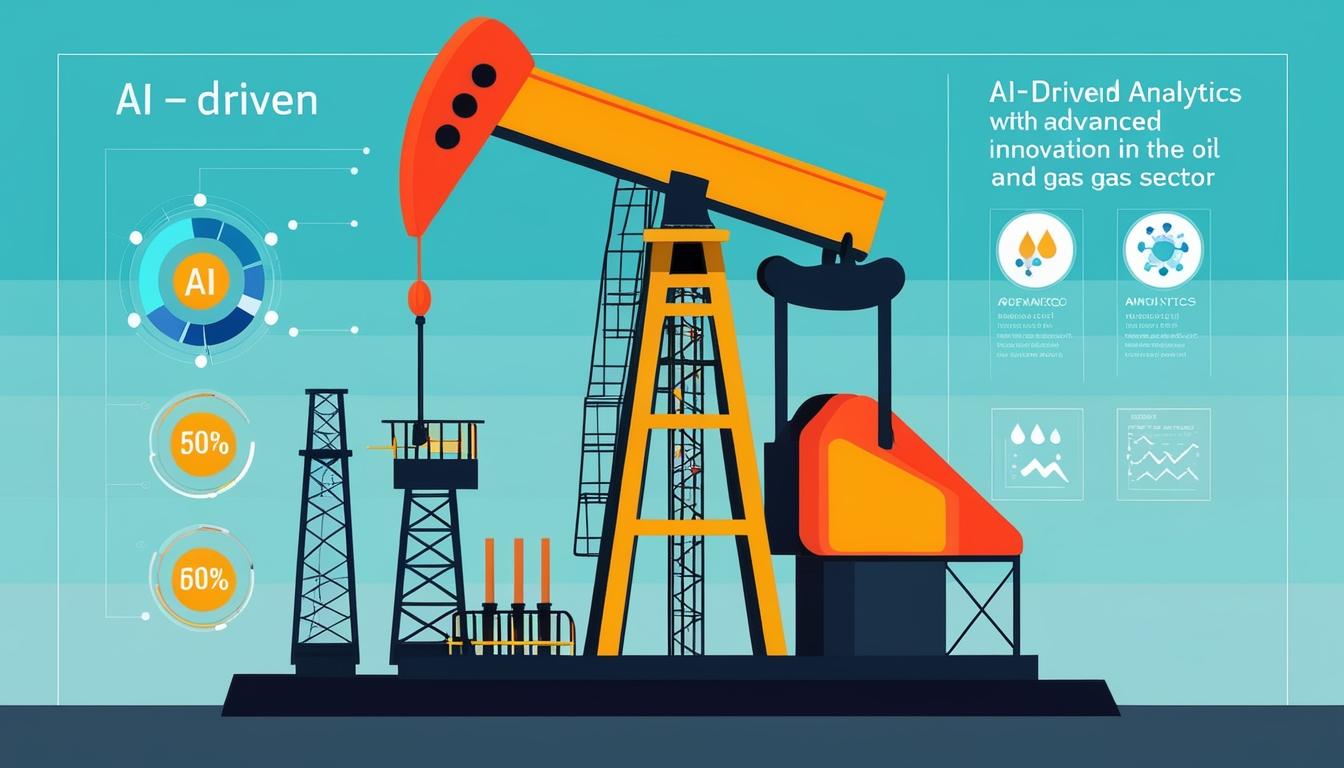
AI Revolutionising the Oil and Gas Sector: Efficiency, Safety and Cost Reductions
The integration of artificial intelligence (AI) within the oil and gas industry is transforming operational methodologies across the board, from exploration to refining. This technological shift is ushering in unprecedented efficiencies, cost reductions, and enhanced safety standards.
AI-Driven Exploration: Reducing Costs and Dry Wells
A significant breakthrough has been reported in the field of seismic interpretation, where AI models are employed to analyse extensive geological and geophysical datasets. Rajeshwar Guggilla, an industry expert, has noted that the incorporation of these AI-driven techniques can slash exploration costs by as much as 50%. By identifying productive drilling locations more effectively, the number of dry wells has decreased, enhancing overall exploration success rates and making resource extraction far more economical.
Field Development and Production Optimization
AI technologies are making strides in field development by utilising optimisation models that consider a wide range of variables such as facility design and production timetables. This precision has led to an increase in output by 5% while concurrently reducing development expenses. Additionally, machine learning algorithms are playing a pivotal role in production optimization, where they have enhanced oil production rates by up to 4%. These algorithms predict and address performance issues proactively, further minimising downtime and extending equipment lifespan.
Transportation Safety and Refinery Innovations
Pipeline management is also benefiting from AI advancements. Smart systems are now capable of enhanced leak detection and environmental risk mitigation, which have translated into substantial financial savings for companies. The technological advancements in this area have proven invaluable not only in preventing environmental damage but also in reducing product losses.
In refineries, generative AI is revolutionising operations, particularly in crude oil distillation and product blending. Through AI algorithms, refineries have achieved greater energy efficiency and cost-effectiveness. This technology optimises processes to reduce energy consumption, increase product yield, and ensure consistent quality. AI's capacity to minimise waste in high-volume production settings highlights its impact in streamlining refinery operations.
Risk Management and Economic Gains
Generative AI continues to play a vital role in risk management, providing models that predict operational hazards and market fluctuations. These predictions enable companies to craft refined hedging strategies and secure profit margins effectively. Furthermore, real-time AI-powered monitoring systems detect anomalies and suggest immediate corrective actions, reducing variability in processes and boosting equipment efficiency.
From an economic standpoint, AI adoption across the oil and gas value chain is resulting in substantial cost savings and increased productivity. Improved oil recovery rates in mature fields have risen by up to 5%, and predictive maintenance systems have decreased unplanned downtime by nearly 40%. For large-scale operations, these enhancements translate into millions of dollars in annual savings.
Enhanced Safety Standards
The advancements in AI also extend into elevating safety protocols within the industry. AI systems are instrumental in identifying potential hazards and proposing preventive measures, thereby reducing the frequency of incidents and safeguarding both workers and assets. The industry’s commitment to these AI-driven safety advancements underscores their capability to minimize risks and enhance operational uptime.
As AI technologies, particularly generative AI, continue to evolve, their transformative influence on the oil and gas sector is expected to intensify. With these advancements setting a new bar for efficiency and sustainability, AI is spearheading the dawn of a smarter, more efficient era in this critical global industry.
Source: Noah Wire Services