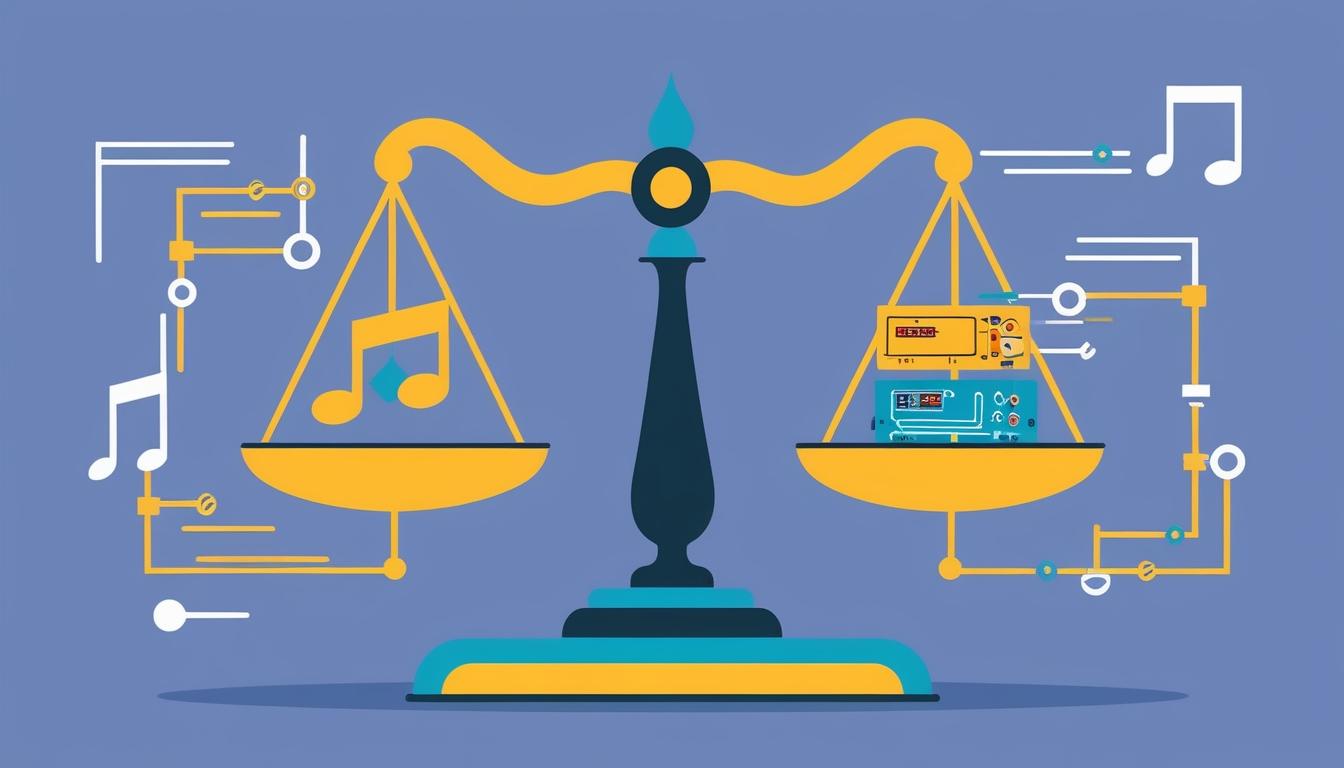
GEMA, the Berlin-based music rights society, has introduced a new "AI Charter," setting forth a set of ethical and legal principles aimed at guiding the use of generative artificial intelligence. This initiative comes on the heels of GEMA's recent announcement of its licensing framework for music generated by AI, which was revealed in September. This framework included compensation mechanisms for professionals whose original works were employed in training AI models.
The AI Charter, disclosed in late October, is not a comprehensive policy document but rather a set of guidelines prompting thoughtful and responsible use of AI technologies. GEMA describes the charter as a resource to stimulate discussion and provide a framework for principled use of AI. Among the principles, foundational ethical concepts are reiterated—such as the necessity for generative AI to contribute positively to human welfare and the importance of safeguarding intellectual property rights amidst emerging technologies.
One of the most notable principles featured in the AI Charter addresses GEMA's perspective on compensating creators and rights holders. Contrary to traditional once-off training payments, GEMA proposes that long-term royalties and revenues should be shared with creators of original works, particularly when they have been used in the training data for derivative AI-generated music. This principle underscores the economic impact and market benefits generated by AI content, pointing to potential income from subscription services and the use of AI music as background or on digital platforms.
The remaining principles outlined in the Charter cover various relevant areas, including the need for transparency in generative AI training processes and the importance of protecting name, image, and likeness rights against unauthorised soundalike creations. This echoes industry conversations in other regions, such as the United States, where the proposed NO FAKES Act seeks to establish a federal right of publicity to safeguard against such issues.
In light of the European Union's distinctive regulatory landscape, particularly with the ongoing implementation of the AI Act, the charter stipulates that any entity deploying AI systems in, or impacting, the EU must adhere to the region's regulations. One principle specifically calls for substantial AI developers to partake in collaborative negotiations with rights holders, with an emphasis on reinstating respect for copyright from major digital corporations through "negotiations at eye level."
The AI Charter represents a preliminary move in a sequence of necessary actions aimed at securing compensation for rightsholders in the generative AI domain. As the conversation around AI and intellectual property continues to evolve, with ongoing regulatory efforts and litigation, GEMA's charter positions itself as a significant touchstone in navigating the intersection of AI innovation and creative rights.
Source: Noah Wire Services