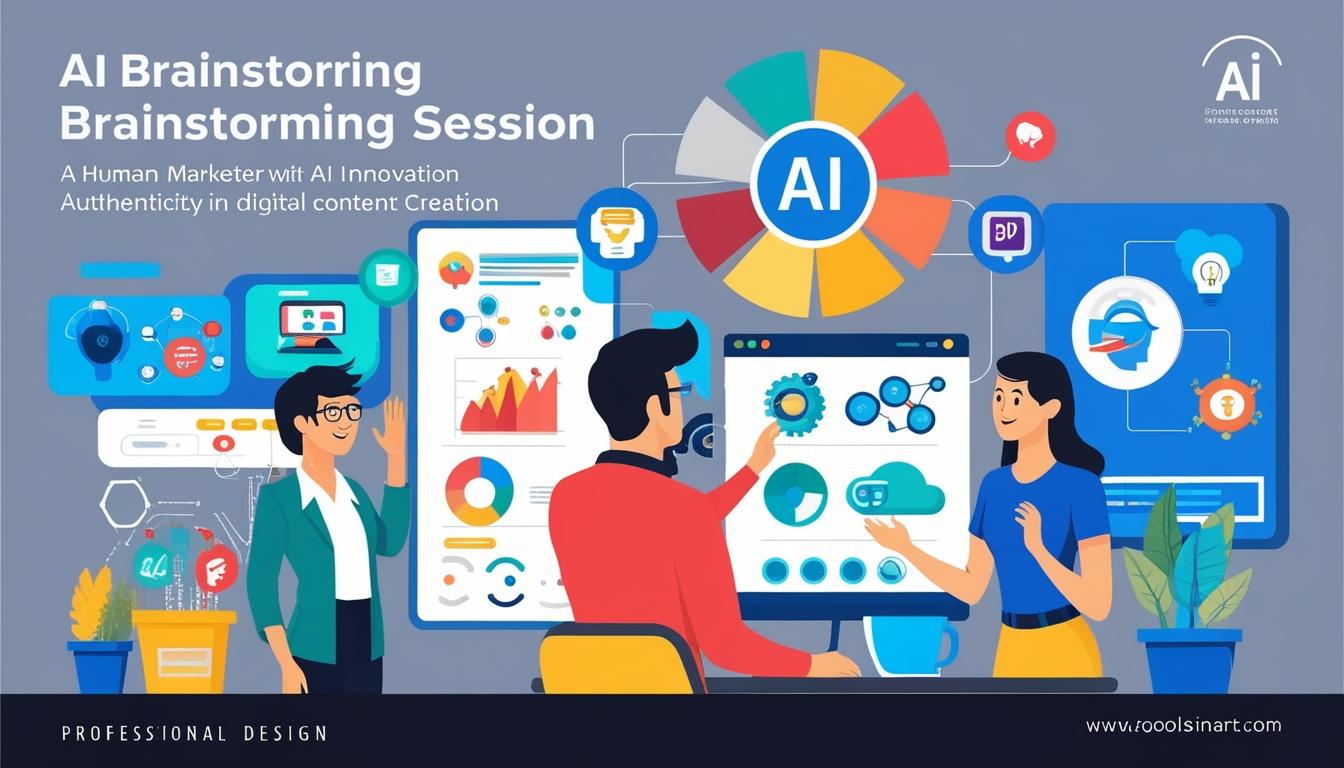
The rapid advancements in artificial intelligence (AI) in recent years have sparked both enthusiasm and caution within the realm of content creation, particularly among marketers and Search Engine Optimization (SEO) specialists. AI tools have become increasingly prevalent, offering the promise of enhanced efficiency and productivity in generating digital content. However, alongside these benefits, there are also significant risks, particularly concerning the quality and authenticity of AI-generated content, which can lead to penalties from search engines like Google.
AI has been transformative in content marketing largely due to developments in data volumes, computing power, storage, and sophisticated algorithms. Tools such as ChatGPT have gained prominence, providing capabilities that many marketers find invaluable. These AI tools can help users increase content output, enhance quality and optimization, save time and resources, and create consistent, error-free material. They can also enhance creativity and innovation, improve user experience, and assist with keyword research and branding.
Despite these advantages, the reliance on AI for content creation carries risks. In March, for instance, Google implemented a Core Update that resulted in numerous websites being de-indexed. A significant cause pointed out was the use of AI-generated content, particularly the so-called "thin" content deemed low-quality by Google's standards. This incident has highlighted the potential issues with AI content, which include lacking originality, context, and accuracy, and potentially being misleading or harmful.
A critical challenge with AI-generated content is ensuring it aligns with Google's quality benchmarks, often referred to as E-E-A-T: experience, expertise, authoritativeness, and trustworthiness. AI content should provide genuine value, incorporate original insights, and be free from errors and style inconsistencies. The goal is to create content that is both informative and engaging, avoiding the pitfalls of content easily dismissed as superficial or spammy.
For SEO specialists and content marketers, the balance between leveraging AI's capabilities and maintaining content quality involves several strategies. It is essential to use AI for research, ideation, and optimization while ensuring human oversight to maintain relevance and alignment with user intent. Keywords should be naturally integrated, and the final content must be unique to avoid plagiarism. Readability, originality, and creativity are vital, requiring a human touch to ensure depth and critical analysis.
Moreover, transparency about the use of AI in content creation is important to establish trust. Content should be scrutinized for potential bias, and a diverse range of sources should be employed to bolster credibility. Regular reviews and editing help to align the AI-generated content with the brand’s voice and quality standards.
Beyond the creation process, monitoring the performance of content through key metrics can guide necessary refinements. Integrating these practices within broader customer relationship management (CRM) frameworks ensures a seamless flow from content production to audience engagement.
While AI presents exciting possibilities for the future of content creation, it necessitates a cautious approach that combines technological efficiency with human insight and creativity. This balanced strategy can mitigate the risks of thin content and maintain robust SEO practices, ultimately benefiting both the audience and the content creators themselves.
Source: Noah Wire Services