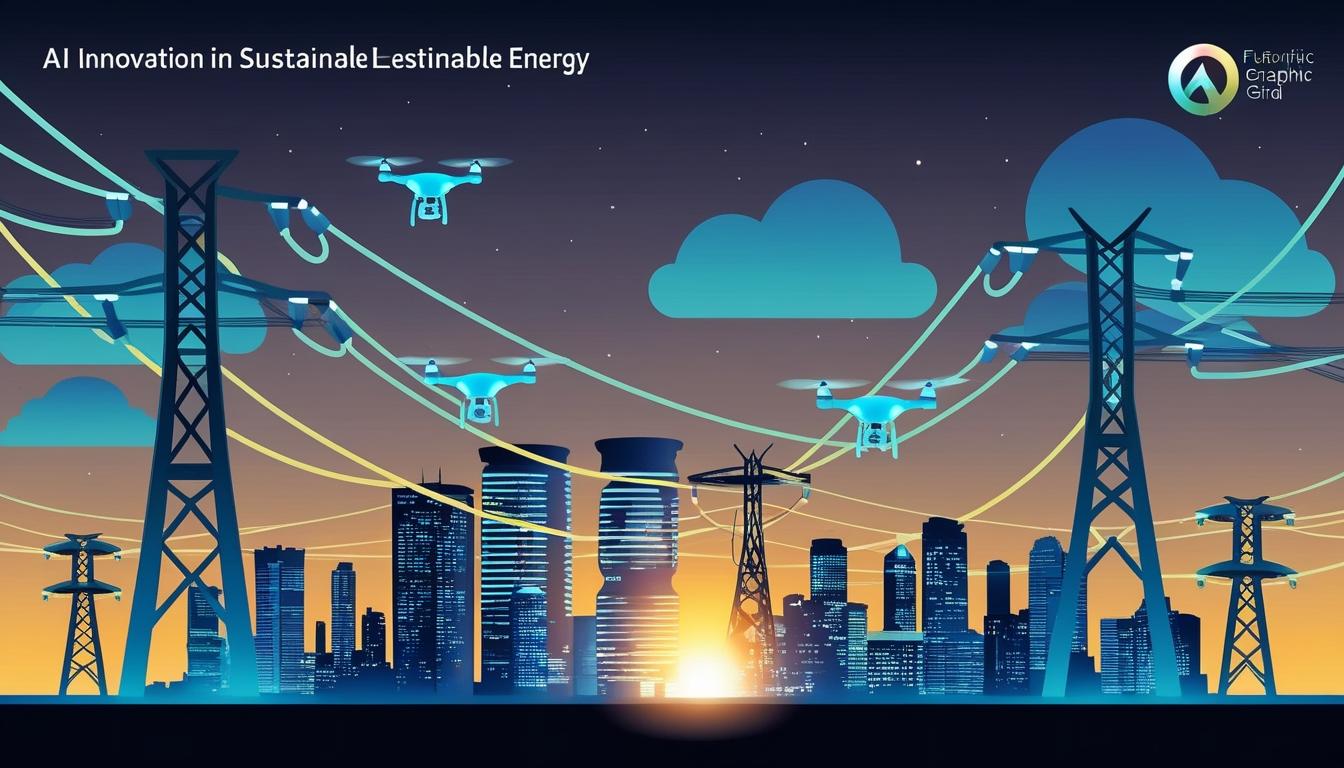
On 13th November, the Pacific Gas & Electric Company (PG&E) will host an Innovation Summit presented by DISTRIBUTECH, in San Jose, California. This event will be central to PG&E's strategic plan to integrate Artificial Intelligence (AI) into its operations, a move the company believes will address its key utility challenges and enhance service delivery. Participation in the summit is complimentary, though it requires prior registration and approval.
With the global spotlight on sustainable energy, PG&E has issued a comprehensive 195-page research and development strategy report. The document outlines the utility company's aspirations and challenges in becoming an "AI-enabled utility." It presents a call to technology innovators to support PG&E in leveraging AI to improve its operations. This report is the second of its kind and serves as a prelude to the insights and discussions anticipated at the Innovation Summit.
Patti Poppe, CEO of PG&E, has articulated the vision to develop a carbon-free energy future with the help of advanced automation and predictive technologies. These innovations, according to Poppe, aim to enhance operational efficiency, prevent equipment failures, and offer personalised customer experiences.
Currently, PG&E has several AI initiatives underway. The utility has devised "Sherlock & Waldo," a set of tools used for identifying potential equipment issues via high-resolution images captured through aerial inspections using drones and helicopters. This initiative, alongside machine learning models, has reportedly resulted in substantial operational efficiencies, saving thousands of inspector hours and providing crucial data for electric grid maintenance.
In addressing wildfire risks, PG&E utilises machine learning models capable of processing real-time weather data. These models offer a forecast window of approximately five and a half days, which aids in managing grid operations to pre-emptively mitigate fire risks.
For better customer interactions, PG&E has implemented AI-powered systems within their call centres. These tools help in routing calls more efficiently and tailoring customer service to individual needs by harnessing real-time data.
Despite enthusiasm for AI integration, PG&E exercises caution due to potential risks associated with AI technology, such as hostile attacks and model failures. The company has introduced 17 new problem areas since the last R&D report, ranging from electric to gas system concerns, each tagged with an AI potential rating to assess feasibility and impact.
In addressing the future of electric vehicles (EVs), PG&E is seeking solutions from vendors to decrease the cost of supporting V2X capabilities, enhance data visibility, and maximise EVs' potential as assets to the grid.
Quinn Nakayama, PG&E’s senior director for grid research, innovation, and development, commented on PG&E’s approach of radical collaboration by openly sharing technological challenges and inviting global problem solvers to help shape future solutions.
Reflecting on the journey, PG&E has marked progress by retiring 17 problem statements from the previous year's R&D report, alongside updates to others. As articulated by Patti Poppe, PG&E is committed to creating a future that combines reliability with sustainability, inviting partners worldwide to contribute to this vision.
The upcoming summit is expected to further PG&E's strategic plan, drawing insights from industry leaders and showcasing significant AI-driven advancements, as the utility company endeavours to redefine its role in an evolving energy landscape.
Source: Noah Wire Services