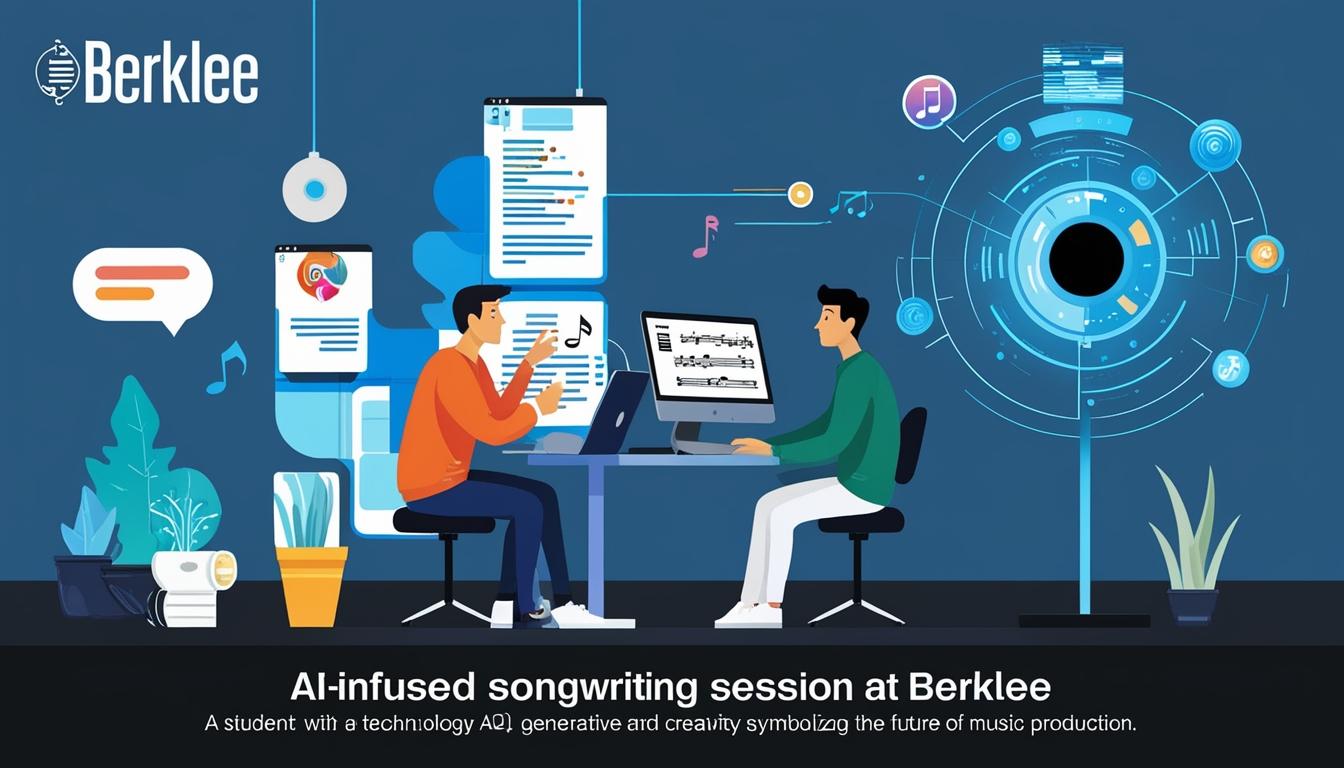
In a fascinating intersection of technology and creativity, Suno CEO Mikey Shulman recently engaged with students in a songwriting class at the prestigious Berklee College of Music. This unusual pairing underscored the evolving relationship between artificial intelligence and the music industry.
During his appearance at the TechCrunch Disrupt 2024 event, Shulman recounted his experience, stating, "It sounds like walking into the lion’s den." His visit to the class was part of an effort to explore how generative AI could integrate, rather than disrupt, the artistic processes musicians hold dear.
In a bid to demonstrate AI as a creative ally, students at Berklee were given the opportunity to experiment with Suno's AI capabilities. The outcome, Shulman claims, can be quite empowering when AI tools are embraced from a certain perspective. He likened these tools to previous technological advancements in music, such as drum machines and synthesizers, which initially met skepticism but later became staples in music production.
The narrative that AI developers are enhancing human creativity is not without its critics. Many artists express concerns over AI models being trained on their original works without permission, potentially compromising their livelihoods by marketing similar products. Meanwhile, tech entrepreneurs argue that the integration of AI in creative fields is an inevitable evolution that parallels how technologies like digital photography have become mainstream.
Echoing this sentiment, Luma AI CEO Amit Jain noted the transformative potential of technology, emphasising how it reaches full capability when accessible to all. Jain recognised a disparity in the quality of professional photography compared to amateur smartphone snapshots but argued that those with artistic vision and technical skill would only be more empowered by these innovations.
On the practical application side, companies such as Splice have progressively integrated AI to support musicians. According to Splice's CEO Kakul Srivastava, their recently developed AI-based tools have significantly enhanced the creative capacities of their users, allowing them to elevate their craft.
Despite these advancements and optimistic viewpoints, there remains considerable apprehension within the entertainment industry regarding AI's impact. The apprehensions are especially pronounced in Hollywood, where writers have sought safeguards against potential job losses to AI. Similarly, music industry stakeholders have raised legal challenges, with firms like Suno facing allegations from record labels concerning the unauthorised use of copyrighted material in AI training datasets. Nonetheless, Suno has managed to attract industry heavyweights like musician Timbaland as strategic advisors, highlighting a nuanced acceptance.
Srivastava suggested that while AI might lead to some job displacements, it could also democratise artistic creation, enabling more individuals to express their creativity more freely than ever before. This ongoing dialogue at the intersection of creativity and technology continues to unfold, offering a glimpse into the future of artistic production and the role AI will play in it.
Source: Noah Wire Services