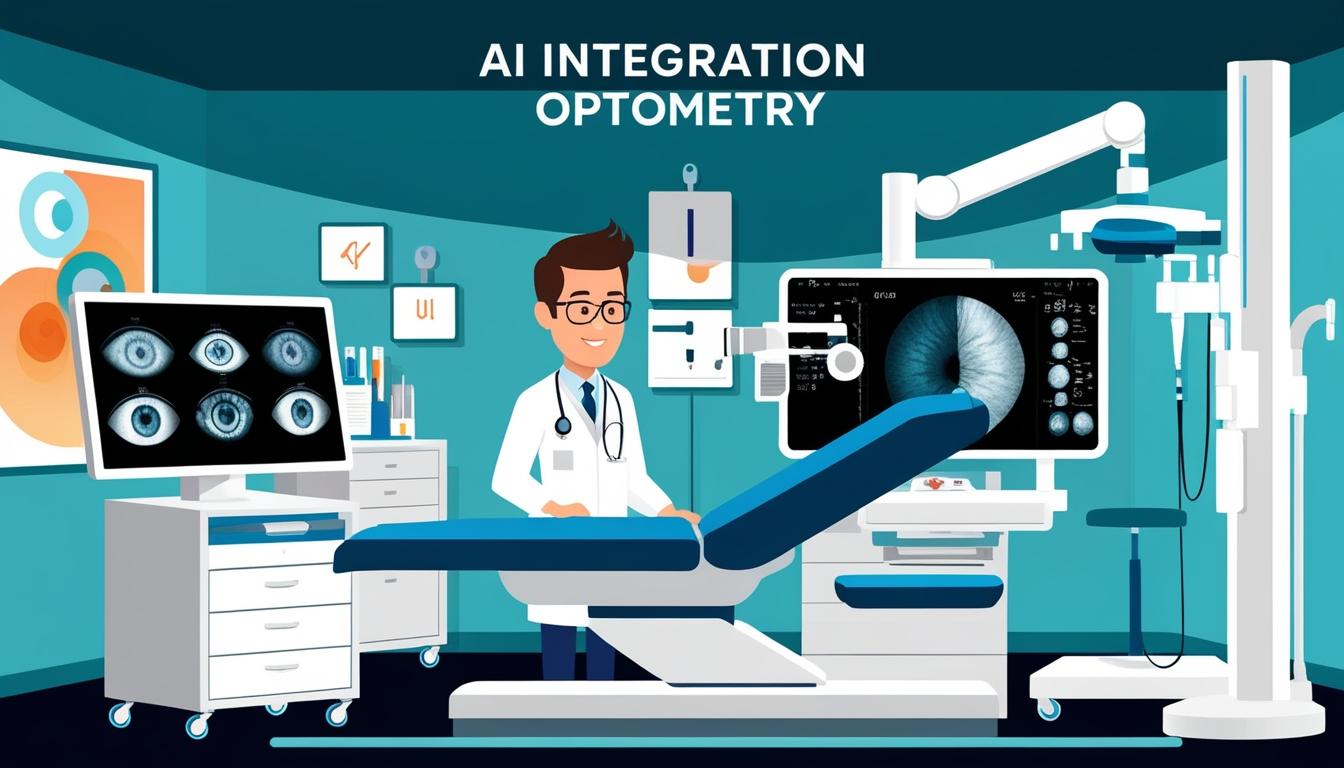
AI Advancements in Optometry: A Focus on Enhanced Care Delivery
Indianapolis, USA - October 2024: At the Academy 2024 plenary session, attention was drawn to the increasing integration of Artificial Intelligence (AI) within optometric practices, a development that experts believe could revolutionise patient care and empower optometrists. John Bertrand, CEO of Digital Diagnostics, emphasised the potential AI holds to enhance the practice of optometry, enabling practitioners to operate at the pinnacle of their expertise.
Digital Diagnostics, under Bertrand's leadership, is at the forefront of utilising AI technology to aid in the diagnosis of medical conditions through advanced imaging. Bertrand reassured attendees that AI is not a replacement for human interaction but a tool designed to support health professionals. "Healthcare is fundamentally about people supporting each other," he remarked. "AI is an additional resource for optometrists, facilitating more informed decision-making without altering the fundamental dynamic of patient interaction."
The plenary session underscored the significant strides AI has made in optometry, especially in the realm of medical diagnosis. According to Bertrand, the use of AI tools is becoming increasingly prevalent, highlighted by the sector's swift progression in securing FDA approvals for various AI devices. This progress, he suggested, is pivotal in shaping how ocular health diagnostics are administered.
In addressing the practicalities of AI integration, Bertrand used an analogy to illustrate its accessibility, citing John Halamka, MD, MS, of the Mayo Clinic Platform: "You don’t need to understand how electricity works to turn on the light switch.” This comparison was aimed at reassuring optometrists that while they need not master AI technology itself, understanding its practical application and implications is essential.
A critical component of AI deployment in clinical settings revolves around patient safety and the clinical utility of AI systems. Bertrand stressed the importance of ethical considerations in the development and adoption of AI technologies. He proposed that just like any medical treatment or diagnostic method, AI must be rigorously evaluated to ensure it meets ethical standards.
Bertrand articulated that for AI tools to be successfully incorporated into practice, specific criteria should be met. These criteria include demonstrable improvements in patient outcomes, comprehensive strategies by vendors to mitigate inherent biases in AI systems, and stringent measures for data stewardship and traceability. Furthermore, he highlighted the need for rigorous clinical trials and the necessity for vendors to assume appropriate liability, especially in considering previously overlooked or "invisible" populations.
The session concluded with a call for optometrists to remain informed and critically engaged with AI developments, recognising its potential to significantly impact patient care outcomes. As AI continues to advance the boundaries of medical diagnostics, its role in optometry is poised to grow, promising enhancements in both the efficiency and efficacy of eye care delivery.
Source: Noah Wire Services