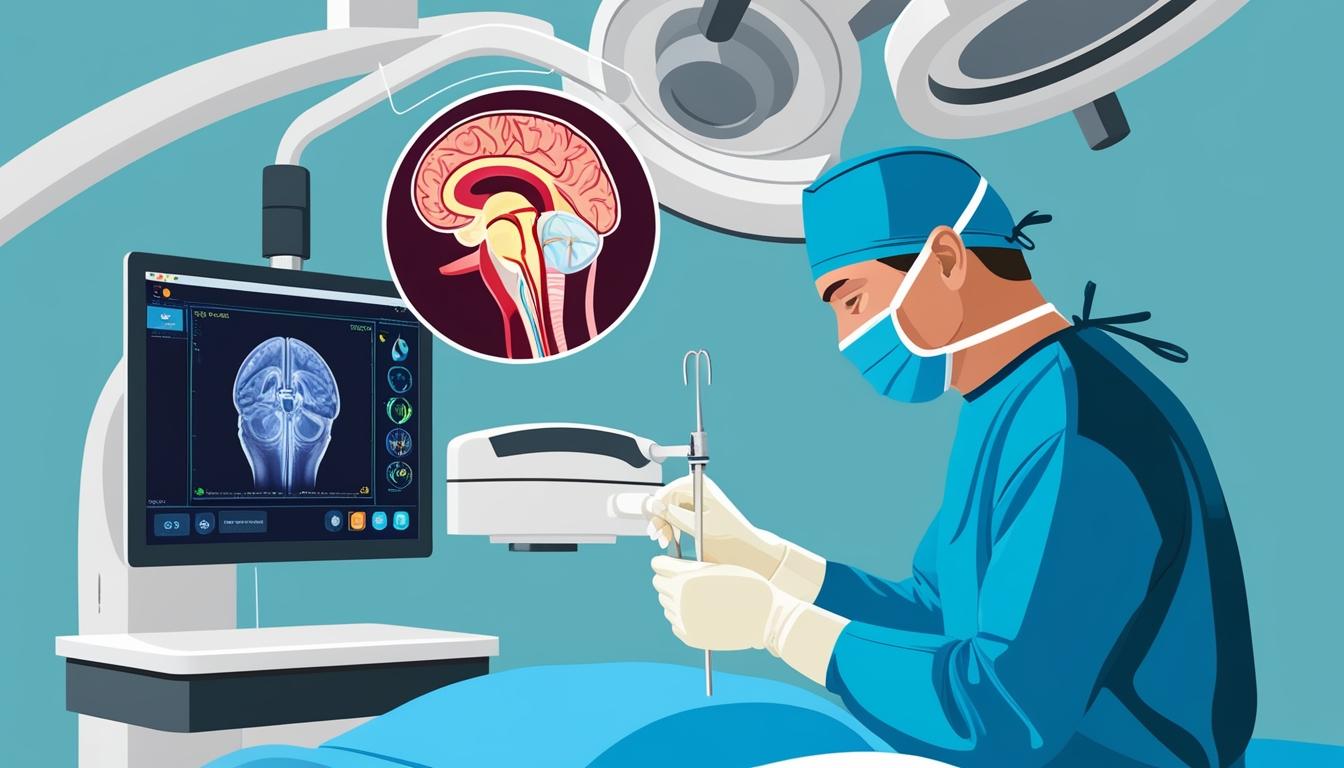
In a groundbreaking study published in the October 2024 issue of Surgery, researchers have reported promising advancements in the field of medical technology, highlighting the integration of artificial intelligence (AI) with surgical procedures. The study, titled "Artificial Intelligence Assisted Surgical Scene Recognition: A Comparative Study Amongst Healthcare Professionals," was conducted by Williams and colleagues.
The research focuses on the use of AI to enhance the precision of detecting cerebral aneurysms during surgery, an area that poses significant challenges even for experienced medical professionals. The study was designed as a cross-sectional comparative analysis and involved the participation of a diverse group of healthcare professionals, including neurosurgeons, anaesthetists, and operating room (OR) nurses, varying in their levels of training and experience.
Participants were tasked with reviewing a total of 5,154 still frames from video recordings of aneurysm clipping surgeries. Their objective was to accurately label each frame as either “aneurysm not in frame” or “aneurysm in frame.” Initially, these frames were reviewed without any AI assistance. Subsequently, the frames were analysed using a deep-learning AI model. A second evaluation was conducted with the neurosurgical team equipped with AI assistance, to compare the efficacy of AI-enhanced decision-making.
The findings from this innovative study were significant. Without AI assistance, healthcare professionals accurately labelled 70% of the frames. However, with AI support, this accuracy increased to 78%, showcasing a notable improvement (OR 1.77, P<0.001). Among the participants, the attending neurosurgeons showed the most remarkable advancement in accuracy, with correct predictions rising from 77% to 92% when supported by AI tools (OR 4.24, P=0.003).
The study underscores the substantial role that AI can play in improving surgical outcomes. The data reveal that AI assistance enhances the accuracy and efficacy of medical professionals, thus potentially improving patient safety and surgical success rates. By equipping healthcare professionals with advanced AI technologies, there is a potential for more efficient and precise surgical interventions.
Williams et al.’s research offers insightful contributions to the ongoing discourse on the integration of AI in medical practices, suggesting that as AI technology continues to advance, its application in the medical field will likely become even more integral and widespread. The study serves as a benchmark for future explorations into AI-assisted medical procedures, setting the stage for further innovations in healthcare technology.
Source: Noah Wire Services