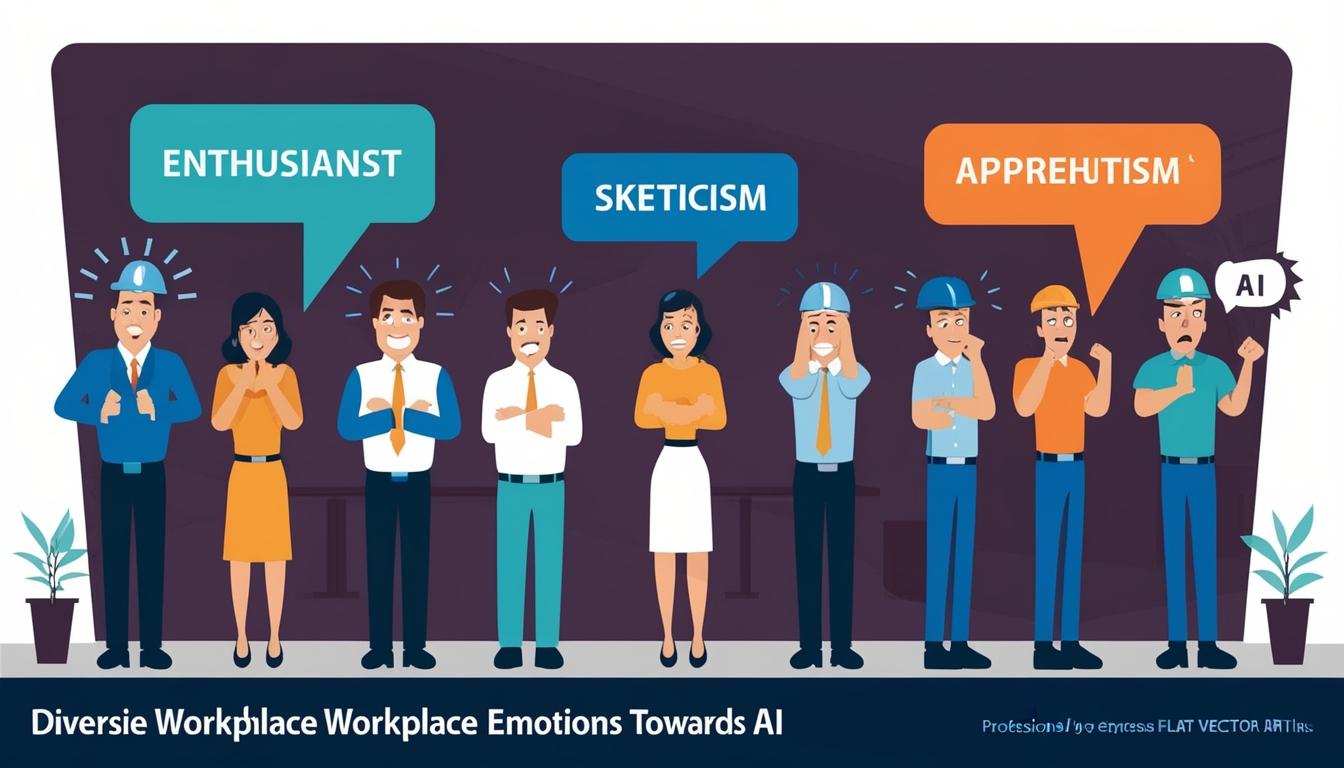
A recent study conducted by Slack, a prominent workplace communications platform, has revealed diverse attitudes towards the integration of artificial intelligence (AI) in the workplace. The study involved in-depth interviews with 5,000 desktop workers and categorised their perceptions into five distinct types of AI personalities: The Maximalist, The Underground, The Rebel, The Superfan, and The Observer.
The research identifies "The Maximalist" as those employees who regularly use AI and enthusiastically share their experiences with it. These workers see AI as a beneficial tool and are keen to leverage its potential to enhance productivity. Conversely, "The Underground" also makes use of AI tools but does so discreetly, often due to concerns about being perceived as reliant on technology or fears that using AI might be construed as cheating.
Interestingly, only 50% of surveyed employees fall into the categories of Maximalist or Underground, highlighting a potential challenge for businesses seeking widespread AI adoption. This statistic underscores the varied acceptance levels amongst workers, with many on the verge of adopting but holding back due to uncertainties or ethical concerns.
Christina Janzer, Slack’s senior vice president of research and analytics, provided insights into these findings. She remarked on the broad range of emotions people are experiencing regarding AI, which affects their willingness to utilise the technology. Janzer noted that understanding these emotions could be crucial for businesses to effectively harness AI and integrate it into daily workflows.
Among those hesitant towards AI, "The Rebel" group, which comprises about 19% of respondents, is particularly notable. A significant portion of these are women, who reportedly represent three out of every five rebels. This trend suggests that women are more apprehensive about AI, often viewing it as a threat to job security. Janzer conjectures that this apprehension may be linked to a lack of trust felt by women in the workplace compared to their male counterparts. As a result, women may be less inclined to engage with a technology perceived as potentially undermining their roles.
The study also highlighted the absence of comprehensive guidelines on AI usage in many workplaces, with three out of five desk workers reporting that their companies haven't provided any clear directives. Janzer emphasised that this is an opportunity for companies to step in, encourage open usage of AI, and foster a culture of experimentation where employees feel comfortable trying out the technology without fear.
In conclusion, the ongoing integration of AI into business practices remains a complex and multifaceted issue. The Slack study presents a snapshot of current workplace sentiments, suggesting that while excitement for AI exists, significant barriers and gaps in communication remain. Addressing these could be crucial for companies aiming to optimise AI’s potential and reassure employees about their roles in an increasingly automated world.
Source: Noah Wire Services