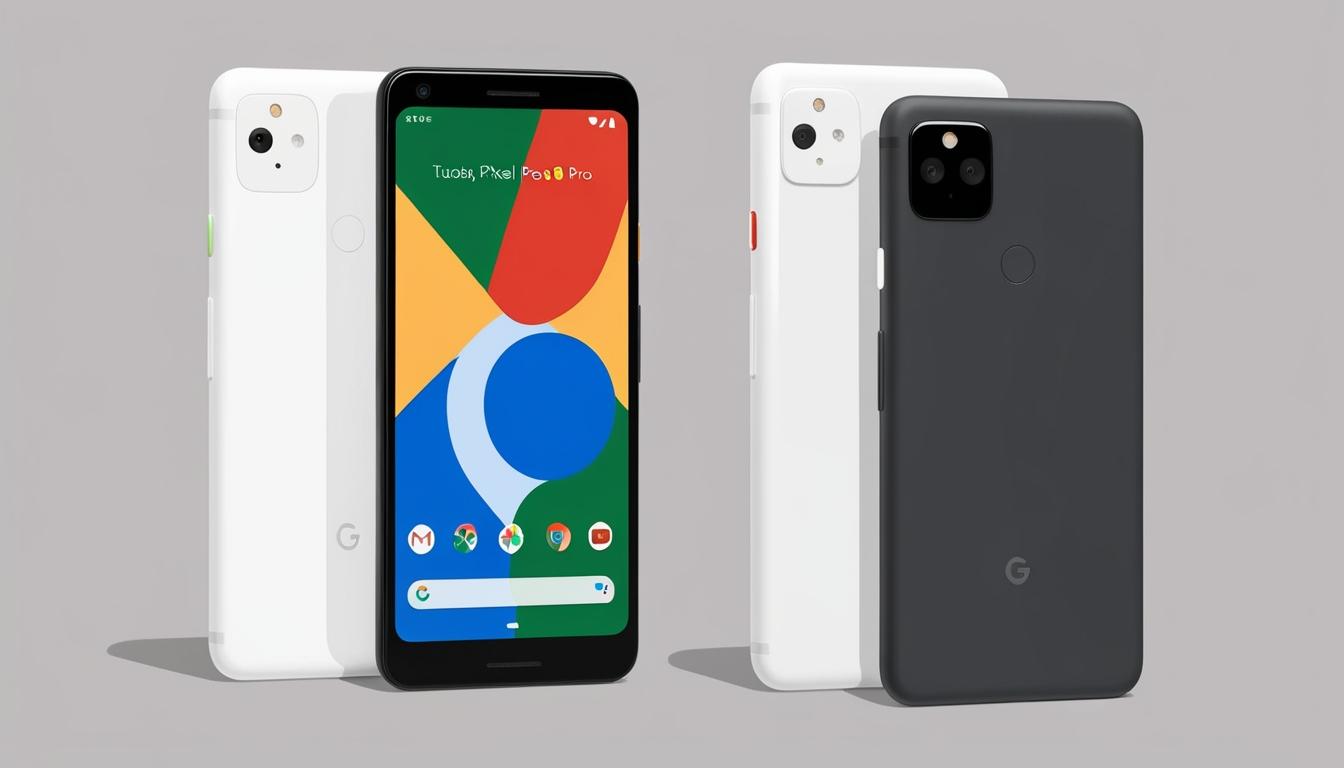
The Google Pixel 9 Pro has been identified as a standout in Google's smartphone lineup, boasting an elegant design, powerful performance, and a well-regarded camera. According to early users, the phone, which operates on Android 15, offers a seamless experience surpassing previous Android versions. However, while Google places significant emphasis on the role of artificial intelligence (AI) in its marketing strategies, users report that their interaction with AI features is minimal.
The Pixel 9 Pro includes AI applications such as Gemini Live, which users may engage with infrequently. Features like enhanced photo tools are available, though some users prefer manual interaction to refine their photography skills without relying heavily on AI shortcuts. In real-world usage, the device is predominantly employed for traditional smartphone functions: calling, messaging, playing music, and organizing daily life.
There is a narrative in the tech industry suggesting that companies like Google and Apple are promoting AI as an indispensable aspect of smartphone usage. Common AI applications highlighted by these companies include automating various daily tasks like sending messages, taking photos, or drafting emails. However, discussions with smartphone enthusiasts, often referred to as "power users," indicate that many do not regard AI as a critical smartphone feature. They point to other technological improvements that hold greater significance, such as app sandboxing, camera stabilisation, enhanced cross-platform integration, and better support across manufacturers.
Moreover, among casual smartphone users, there is a prevailing sentiment that simplicity and reliability are more desirable than AI-driven functionalities. This demographic prioritises devices that perform expected tasks seamlessly while maintaining security and an intuitive user interface.
The inclusion of AI in smartphones also introduces cost considerations. As reported by Digital Trends, while initially free, AI services like Google’s Gemini Advanced may eventually involve subscription fees after a trial period. Furthermore, AI processing demands significant energy resources, sometimes necessitating advanced hardware components, which could ultimately lead to increased device costs.
Despite the hype surrounding AI, some experts argue that the smartphone industry does not rely on AI for growth. Market projections suggest the global phone market will reach approximately $493 billion by the end of 2024, largely without AI influence. Companies within the industry, like Nothing, are integrating AI into future devices, viewing it as a trendy element rather than a necessary innovation, raising questions about its true value to consumers.
In conclusion, while AI enhances certain functionalities in modern smartphones, the current generation of users appears to value reliability, security, and affordability above AI capabilities. As the industry continues to evolve, it remains to be seen whether AI will become more integral or remain an optional, albeit futuristic, feature.
Source: Noah Wire Services