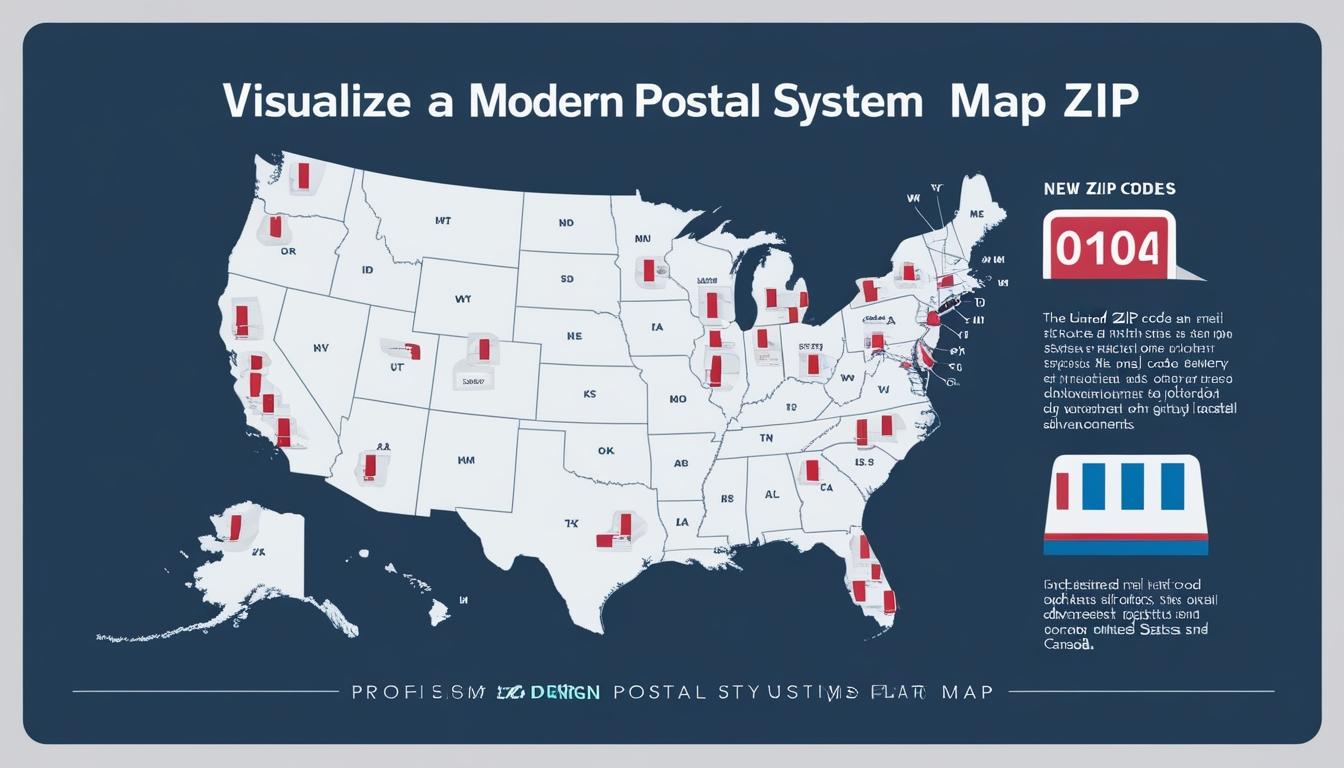
Major Development in International Zip Code System: A Comprehensive Overview
In a significant move impacting multiple regions, a new structure of zip codes has been strategically implemented across various states in the United States and territories, as well as provinces in Canada. This development is aimed at streamlining and modernising the process of postal management, ensuring faster delivery times and enhancing coordination within postal services.
Across the United States, states including Alabama, Alaska, Arizona, Arkansas, California, Colorado, and many others are now adapting to this refined system. Additionally, territories such as Puerto Rico, the US Virgin Islands, and the Northern Mariana Islands are part of this postal evolution. The inclusion of military addresses such as Armed Forces Americas, Armed Forces Pacific, and Armed Forces Europe aims to improve mail delivery to service members stationed overseas.
Across the border, Canadian provinces including Alberta, British Columbia, Manitoba, New Brunswick, Newfoundland, Nova Scotia, Northwest Territories, and others are also transitioning into this updated zip code system. The implementation extends as far north as the Yukon Territory, improving the logistical capabilities across vast, often remote areas.
Each region within these areas will see changes specific to its demographic and logistical needs. The initiative is expected to significantly boost the efficiency of postal services by reducing delays and misdelivery instances, providing a consistent experience for both service providers and consumers alike.
This initiative has involved comprehensive collaboration between national postal services and local government authorities. It represents a substantial logistical undertaking, considering the geographical diversity and the scale of regions affected. The coordination required to manage these changes underscores the complexity and importance of modernising postal infrastructure in response to growing demands for swift and reliable service.
This revamp of the zip code system aligns with broader efforts globally to upgrade communication logistics, indicating a trend towards more integrated and technologically advanced postal systems. While these changes are technical in nature, they underscore the dynamic nature of logistical problem-solving in the face of evolving societal needs.
As this new system begins its phased roll-out, stakeholders involved in logistics, e-commerce, and local businesses are preparing to adjust operations to align with these changes. This presents an opportunity for these entities to refine their processes, potentially benefiting from the anticipated efficiencies of this new system.
While the effects of this change are yet to be fully realised, the initiative marks a significant chapter in the ongoing evolution of postal services. It reflects a commitment to meeting contemporary logistical challenges head-on, with an aim to keep pace with rapid technological and economic changes in the global market.
Source: Noah Wire Services