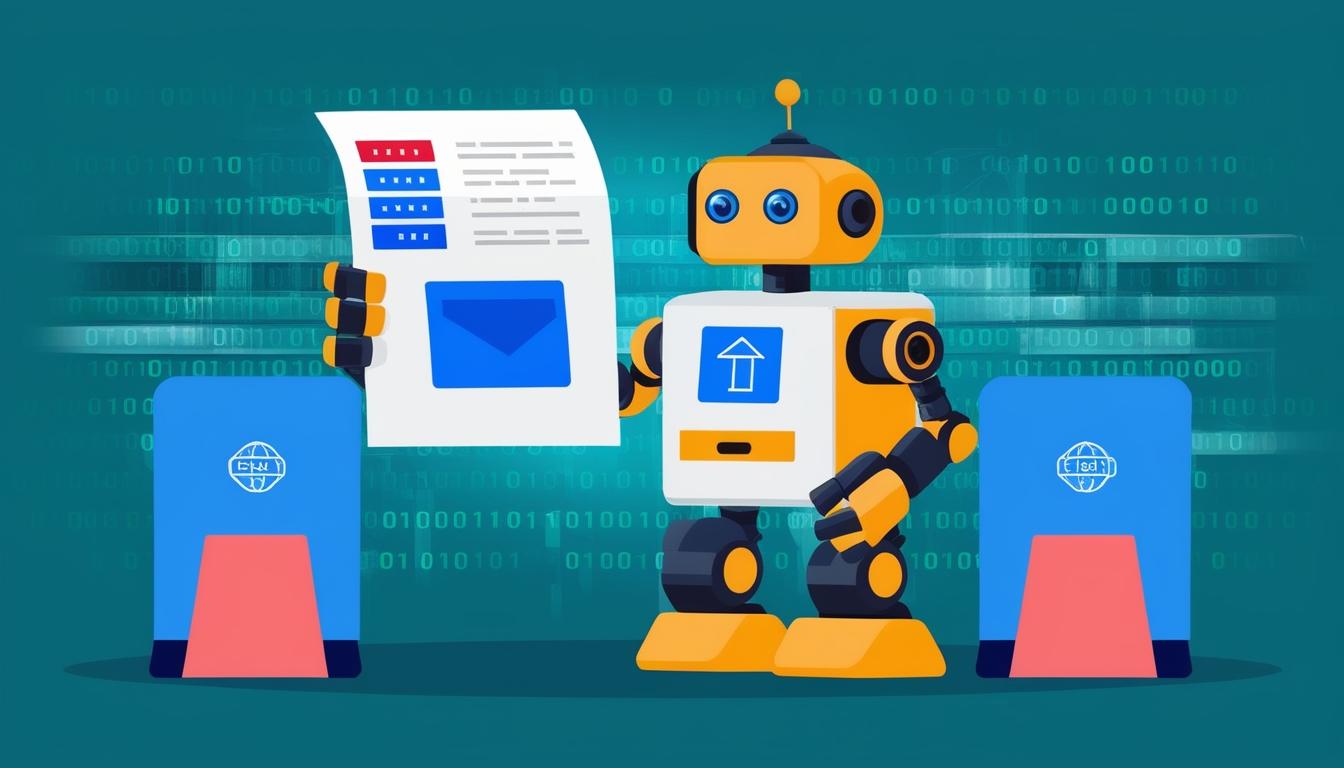
As voters across the United States head to the polls amid the election day excitement, a parallel conversation is emerging regarding the growing influence of artificial intelligence (AI) in both corporate spheres and democratic processes. Initiatives utilising AI in elections and business are raising significant concerns and considerations about how technology is reshaping interactions, operations, and even voter engagement in the modern world.
In recent months, the role of AI in the electoral process has become a focal point of interest, attracting attention from both technology experts and civil society. At the forefront of these concerns is the potential for AI-driven misinformation, alongside issues such as the spread of deep fakes and possible foreign intervention. New York Attorney General Letitia James has publicly cautioned against relying on AI chatbots for election-related information, underscoring the risk of manipulation and misinformation. This sentiment is echoed by government officials who stress that AI may not be capable of providing reliable solutions to voting-related queries, thereby raising questions about the integrity and accuracy of election information.
Simultaneously, AI's influence is not confined to the political landscape. In the corporate world, AI agents are gaining traction as tech giants like Microsoft, Cisco, and ServiceNow lead the charge in adopting these autonomous systems to streamline operations and reduce costs. These AI agents have evolved from simple customer service chatbots to complex digital entities capable of performing tasks in sales, accounting, and technical support without requiring human oversight. The impact of such technology is palpable, with ServiceNow reporting a 23% increase in subscription revenue following its adoption of AI solutions, and a substantial portion of HubSpot clients observing swift returns on their AI investments.
However, this shift towards AI-driven operations highlights several ethical, social, and legal challenges. The trend of prioritising AI over human workforce interactions—especially in service industries—is prompting discussions about accessibility and fairness. Service sectors traditionally reliant on personal interaction face the challenge of balancing technological efficiency with the need for human empathy, particularly for vulnerable populations such as the elderly or disabled who may struggle with digital-only interfaces.
Industries like finance and telecommunications are increasingly witnessing a paywalled format for human assistance, essentially making human interactions a premium feature for those able to afford it. Such a paradigm risks excluding populations who depend on personal support, creating a landscape where accessibility is compromised.
These technological advancements bring forth profound ethical considerations, particularly concerning industries where emotional support and empathy play critical roles—such as healthcare and financial services. Although companies like Cisco advertise AI's capabilities in mimicking human interaction, these often lack the nuanced understanding that humans naturally provide. This issue prompts regulatory bodies like the Federal Trade Commission (FTC) and the Consumer Financial Protection Bureau (CFPB) to step in, ensuring that as AI optimises business processes, it does so without compromising consumer protection or equity in service access.
Furthermore, the implications of AI in corporate settings ripple out into the democratic domain. The same AI algorithms and chatbots that optimise customer service processes can be repurposed for political campaigning and targeting voter behaviour, posing concerns about privacy and the potential manipulation of voter perceptions. This capability is particularly felt in micro-targeting practices, where AI can send personalised messages to potentially sway voter decisions.
In a legal context, these advancements test the boundaries of current frameworks protecting consumer and voter rights. As automation becomes ubiquitous, the demand for human oversight, a principle echoed in regulations like Europe's General Data Protection Regulation (GDPR), becomes more pressing. It's imperative for regulatory agencies to establish clear guidelines ensuring that essential human interaction remains accessible and not limited by financial capability.
The evolving nature of artificial intelligence presents a dual-edged sword in American society, offering efficiency while simultaneously posing challenges that necessitate careful scrutiny. As automation continues to reshape workplaces and political landscapes, the critical task ahead involves fostering collaboration among policymakers, businesses, and consumer advocates to ensure AI enhances rather than replaces human roles, safeguarding democratic principles and ensuring equitable access for all.
Source: Noah Wire Services