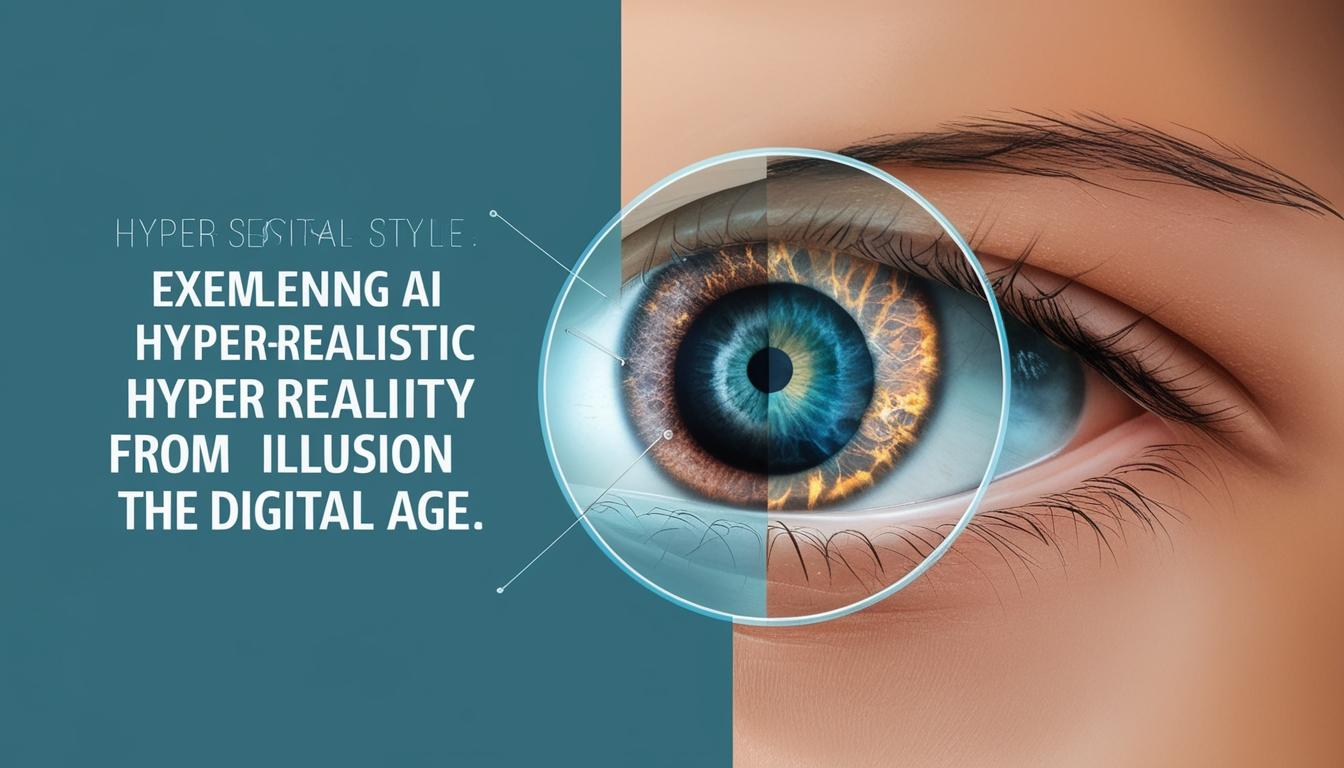
The Rise of AI-Generated Content and How to Identify It: A Study in Illusion and Reality
In the digital age, where technology continues to evolve at an astonishing rate, the emergence of artificial intelligence (AI) in content creation is reshaping the way we perceive reality on the internet. From hyper-realistic images to audio and video duplications, AI-generated content is becoming increasingly sophisticated, presenting both remarkable opportunities and notable challenges. The ability of these technologies to blur the boundaries between what is real and what is not has prompted concerns and discussions across various sectors globally.
AI-Generated Images: A Visual Conundrum
AI-generated images have swiftly advanced to create visuals that closely mimic real life, often making it difficult for the untrained eye to discern their authenticity. Instances such as an image of Pope Francis in an oversized designer jacket or fabricated images of former President Donald Trump being arrested exemplify how AI can craft convincing yet fictional narratives. These images, while often created for harmless fun or artistic exploration, hold the potential for misuse, particularly when portraying notable figures in misleading contexts.
Detecting AI images involves observing for certain irregularities. Common indicators include anatomical anomalies, such as an extra limb or distorted facial features, as well as unrealistic textures like waxy skin or nonsensical architecture. The subtleties of these errors call for a meticulous examination to accurately identify the digital hand in these creations.
The All-Consuming AI Video Fakes
As AI-generated videos populate internet platforms, distinguishing authenticity has become increasingly complex. While some AI videos, like the surreal clip of Will Smith gorging on spaghetti, are easily identifiable due to their absurdity, others are more subtle. Deep fakes, a particularly concerning form of AI video, involve superimposing a person’s likeness onto another’s actions, potentially leading to reputational damage.
When scrutinising such videos, experts advise focusing on how shadows move, potential facial distortions during movement, and inconsistencies in reflections and clothing text. Tools like Deepware can assist viewers in verifying the authenticity of suspect footage, providing an additional layer of defence against deception.
The Spoken Word: AI-Generated Audio
AI audio, capable of mimicking human speech, presents another layer of complexity. The technology can replicate voices to a near-perfect degree, allowing for the creation of audio recordings that may defy belief. Key signs of AI-produced audio include unnatural speech patterns, such as flat intonation or abrupt pacing, alongside peculiar pauses and pronunciation errors.
Sceptical listeners can turn to various audio detection tools, which analyse these recordings to determine their origins, thereby maintaining a level of trust in the auditory content encountered online.
Navigating the Labyrinth of AI Text
Finally, AI-generated text represents a significant technological advancement, yet poses challenges in authenticity verification. AI text often carries markers such as abrupt topic shifts, repetitive phrasing, or lack of coherent detail, which can disrupt the narrative flow. For instance, AI models might produce a story where a character jumps from discovering alien life to ancient ruins without logical progression or depth, demonstrating a lack of human-like contextual richness and depth.
Services like Grammarly’s AI detection tool assist users in discerning AI text by scanning documents for typical markers of AI-authored content, thereby aiding educators and content consumers in recognising machine-written scripts.
The Path Forward
As the capabilities of AI in content creation continue to expand, discerning fact from fantasy requires vigilance and technological awareness. While AI offers creative and practical applications, its potential for misuse necessitates careful monitoring and continuous development of detection tools. This technological evolution invites ongoing dialogue among technologists, policymakers, and society at large, to establish frameworks for ethical usage and to safeguard the integrity of information in the digital realm.
Source: Noah Wire Services