Following the successful election of Donald Trump for a second term as President of the United States, various sectors of the American economy are anticipating a shift in direction, particularly in Silicon Valley and key industries such as technology, energy, and commerce. Trump's influence over these areas remains to be fully defined, but early indications suggest substantial policy changes will be reviewed and potentially implemented.
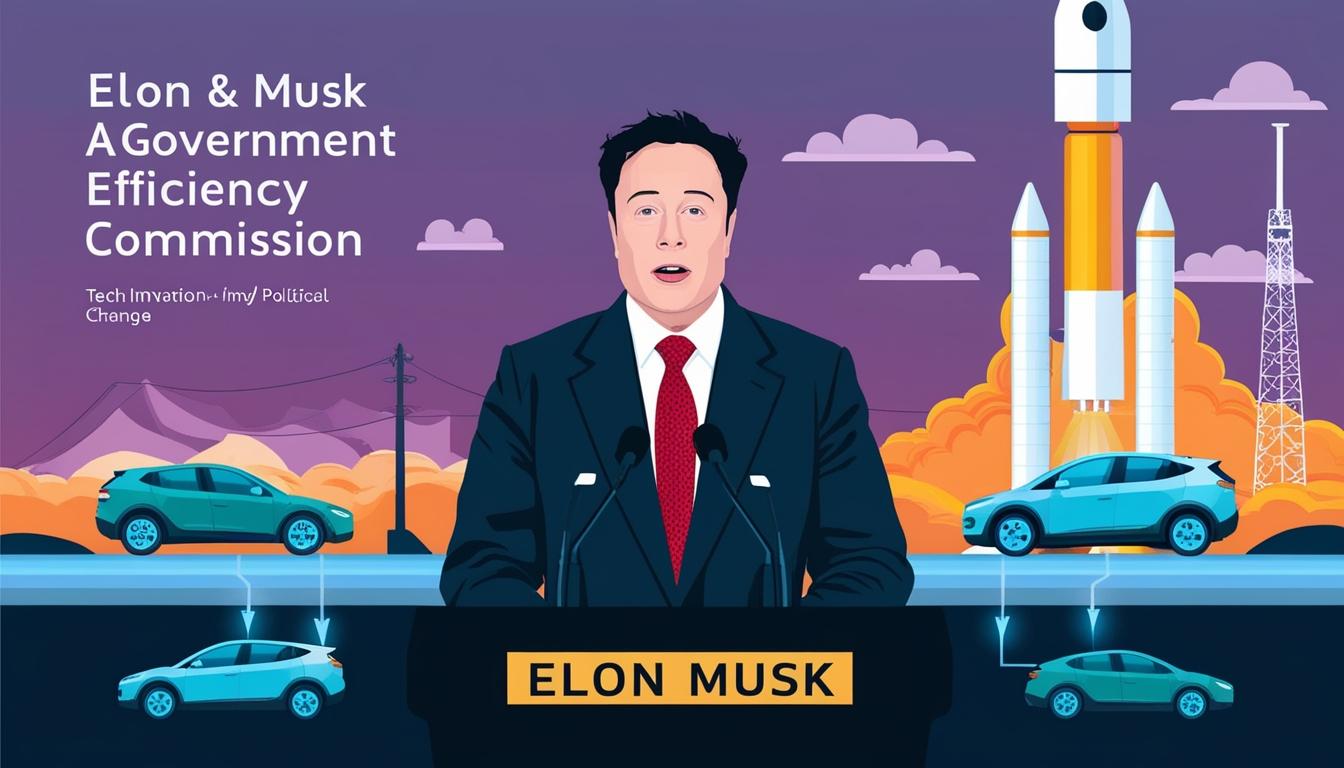
A significant development to watch is the potential role of Tesla CEO Elon Musk, who has long been an influential and controversial figure within the tech industry. Musk, who has enjoyed a close rapport with Trump, is poised to head a government efficiency commission that could lead to the reduction of what Musk and Trump term as bureaucratic waste. This role positions Musk to potentially streamline federal operations and impact sectors wherein his companies operate, such as automotive, space exploration, and clean energy.
In terms of electric vehicles (EVs), Trump has voiced skepticism, deeming them costly with limited range—a stance contrasting with Musk's business interests, as Tesla dominates the EV market globally. However, Musk has expressed confidence that even without federal support for EVs, Tesla stands to gain a competitive edge, as other manufacturers lagging behind would struggle more without government incentives. Despite this, the threat of a trade war, especially concerning Chinese imports, looms over Tesla due to Trump's hardline trade policies, potentially disrupting Tesla's supply chain and operations in China, a key market for the carmaker.
The broader tech industry faces uncertainties with Trump's proposed tariffs, which include a hefty 60% on Chinese imports. A policy like this could affect the cost structures and supply chains for many tech companies that rely on components manufactured in China. Additionally, the willingness to reconsider ongoing antitrust cases against tech giants like Google could alter the competitive environment, depending on how Trump's administration chooses to move forward.
The renewal of Trump's presidency is also seen as a potential boon for the cryptocurrency sector. Trump, with Musk's support, appears more amenable to rolling back stringent regulatory measures implemented under the Biden administration, which could lead to a more favourable environment for digital currencies and financial technologies.
Meanwhile, the American energy sector could experience a rollback of environmental regulations aimed at reducing emissions, given Trump's support for oil and gas industries, despite Musk's known advocacy for renewable energy. This shift may pose challenges to sustainability initiatives that companies like Tesla have long championed but might provide a less regulated path for SpaceX's endeavors under Musk's leadership.
Space exploration is another front where changes are expected. Trump's plans to rejuvenate America’s space missions align well with Musk's ambitions, particularly those related to missions to Mars. A second Trump administration might possibly see an enhanced role for SpaceX in national space priorities, potentially expediting regulatory approvals necessary for future missions.
In summary, Trump's second presidential term introduces a mix of opportunities and risks across multiple sectors. For business leaders like Elon Musk, this could mean heightened influence over regulatory landscapes, albeit with the accompanying challenges of navigating potential conflicts of interest and forthcoming trade policy shifts, notably with China. As these developments unfold, stakeholders across these industries remain cautious but potentially optimistic about aligning their strategies with the new administration's policies.
Source: Noah Wire Services