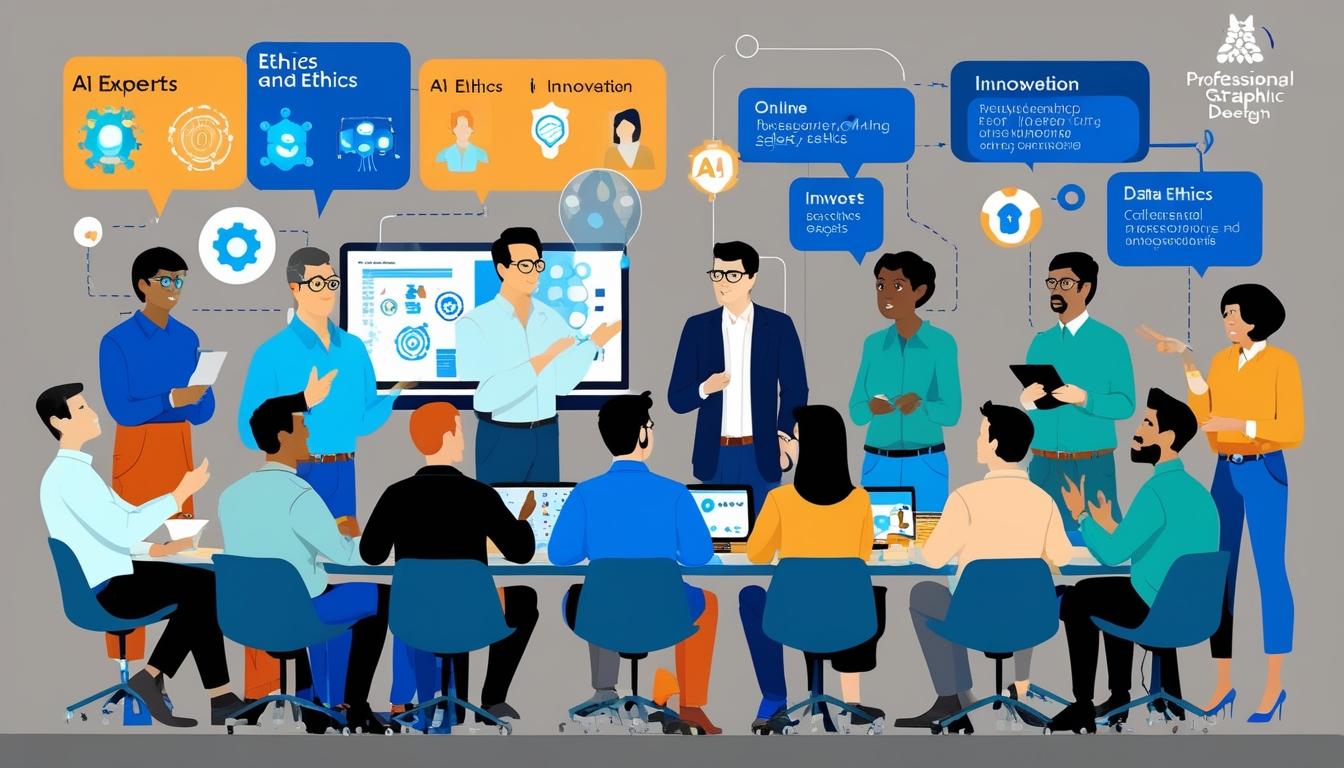
Dr. Michael Zimmer, an associate professor in computer science at the Klingler College of Arts and Sciences and the director of the Center for Data, Ethics, and Society, recently took part in a prestigious workshop hosted by the White House Office of Science and Technology Policy (OSTP). This exclusive event, titled “Operationalizing Ethics into Online Safety and AI Research,” saw the participation of leading experts and stakeholders in the fields of online safety, artificial intelligence, and data ethics.
The workshop forms a crucial component of an ongoing collaboration between the OSTP and the National Telecommunications and Information Administration. The primary goal of this initiative is to develop comprehensive privacy and ethics guidelines tailored for researchers who work with data procured from online platforms. Such guidelines are increasingly necessary in an era where data is omnipresent and its ethical use is paramount.
The computing research community has long recognised the inadequacies of traditional research ethics frameworks, which were originally designed for studies involving human subjects, in addressing the unique challenges posed by computing and AI research. In response, many have devised alternative ethics boards, developed detailed rubrics, and created checklists and assessment tools. These resources aim to equip researchers, funding bodies, and academic publications with the ability to effectively assess and address ethics and privacy concerns specific to the computing field.
At the workshop, a diverse array of participants, including individuals and organisations actively engaged in operationalizing ethics in research practices involving pervasive data, gathered to exchange ideas and simulate practical applications. This created a platform for rigorous discussion around the operationalization of ethics in computing research, an area of growing importance given the vast reach of modern technology into everyday life.
Dr. Zimmer, in particular, shared insights from his National Science Foundation (NSF)-funded initiatives. His projects, “PERVADE: Pervasive Data Ethics for Computational Research” and “Developing Educational Resources for the Ethical Use of Pervasive Data,” provided valuable case studies and findings that contributed significantly to the workshop’s discourse. His work emphasizes the importance of integrating ethics into the fabric of research methodologies, ensuring that the rapidly evolving landscape of computing and AI remains aligned with fundamental privacy and ethical standards.
The workshop represents a step forward in the collective efforts to ensure that ethical considerations keep pace with technological advancements, reflecting the need for continued dialogue and collaboration among experts across disciplines to shape the future of responsible computing research.
Source: Noah Wire Services