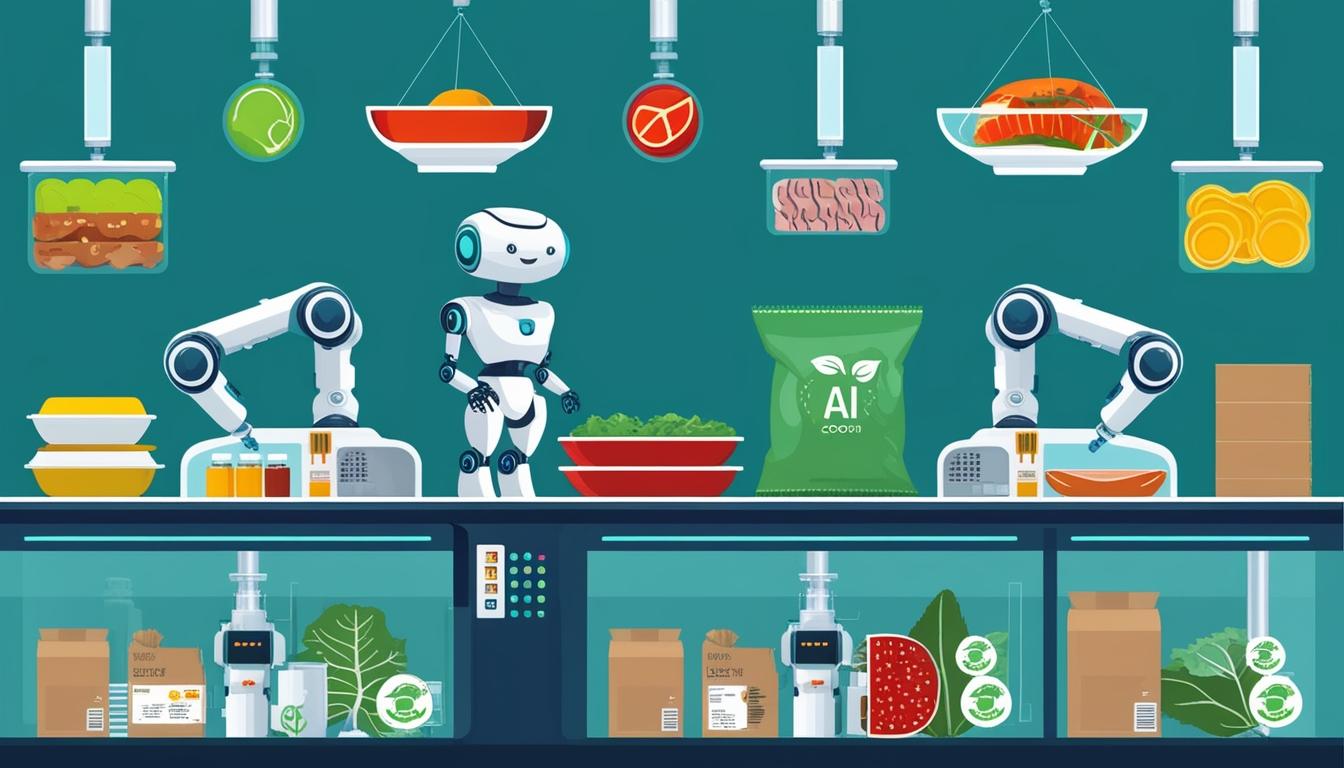
Food Industry Embraces Technological Transformation Ahead of 2025
As the world inches closer to 2025, the food industry is preparing for a significant technological overhaul, with many companies set to prioritise investments in artificial intelligence (AI) and supply chain tracking systems. This trend is driven by the objectives of enhancing production efficiency, reducing costs, and optimising decision-making processes.
According to a comprehensive survey conducted by the Institute of Food Technologists (IFT), nearly 200 members from the food, beverage, and ingredient manufacturing sectors, alongside industry consultants and technology developers, shared their insights into the future of tech investments in the industry. The survey results show that by 2025, nearly 50% of companies are planning to invest in AI and supply chain tracking technologies. Additionally, approximately one-third of respondents expressed intentions to adopt big data and real-time analytics (35%), robotics and process automation (31%), and cloud computing coupled with enterprise resource planning (ERP) systems (30%).
The survey revealed that the primary motivations for digital transformation include improved production efficiency (51%), enhanced data-driven decision-making (47%), and cost savings (45%). Benefits such as advancements in manufacturing processes (34%), increased food safety (28%), and better supply chain control (26%) also emerged as significant incentives for embracing new technologies.
However, the path to digital transformation is not without obstacles. A striking 70% of survey participants identified cost as the main barrier to implementing these changes, followed by challenges in integrating new systems with existing legacy frameworks (53%). Other hindrances include the need for employee reskilling (31%) and achieving internal consensus and support across departments (28%).
Sustainability concerns are also at the forefront of these investments. As consumer demand for sustainable products grows, with 52% of respondents citing it as a driver, companies are keen to adopt energy (51%) and water (49%) conservation technologies. Approximately a third of the surveyed companies are exploring carbon emission reduction solutions (36%) and upcycling/recycling methods (30%). Furthermore, investment in sustainable packaging innovations, involving new materials and bioplastics, is also gaining traction.
Food safety continues to be a pivotal area of focus, propelled by recent regulatory changes such as the FDA’s Food Traceability Rule and notable food safety recalls. To address these issues, companies have shown a keen interest in advanced pathogen detection systems (26%), real-time monitoring solutions (19%), and detection technologies for foreign materials (17%).
Biotechnology emerges as another crucial area for potential growth, with roughly 20% of companies considering investments in precision fermentation and biochemical technologies. This interest is largely due to biotechnology's potential in developing functional foods, alternative proteins, and extending shelf life—all while enhancing product functionalities and improving flavour, texture, and nutritional value.
In summary, the impending technological transformation within the food industry promises to redefine various operational aspects, from AI-driven efficiencies to sustainability initiatives. As these technologies are implemented, they are expected to boost transparency and traceability, marking 2025 as a pivotal year of innovation and transformation for the food sector.
Source: Noah Wire Services