The tech and finance sectors have been eagerly observing the unfolding developments in generative AI (genAI), investing substantial resources into tools such as ChatGPT and GitHub Copilot. This surge in interest is underscored by a Bloomberg Intelligence report forecasting that the genAI market could reach a valuation of $1.3 trillion by 2032. Despite these significant financial commitments, there are growing concerns regarding the actual value genAI provides relative to the spending it attracts, as highlighted in a critical report by Goldman Sachs. This has led some experts to speculate that the technology may be entering the "trough of disillusionment" phase, a point in the hype cycle where the initial excitement begins to wane.
Generative AI tools like ChatGPT have been praised for their versatility, performing a range of tasks including language translation, poetry composition, and even code debugging. However, there is increasing scrutiny over whether generative AI can truly replace or significantly augment knowledge work as initially anticipated. The underlying issue seems to lie in the way these AI systems gather and apply information. Tools like ChatGPT rely on a bottom-up approach, synthesising data from vast sources, which sometimes yields average rather than expert-level solutions. This method, some argue, falls short of providing the critical and innovative insights required for complex problem-solving and decision-making in businesses.
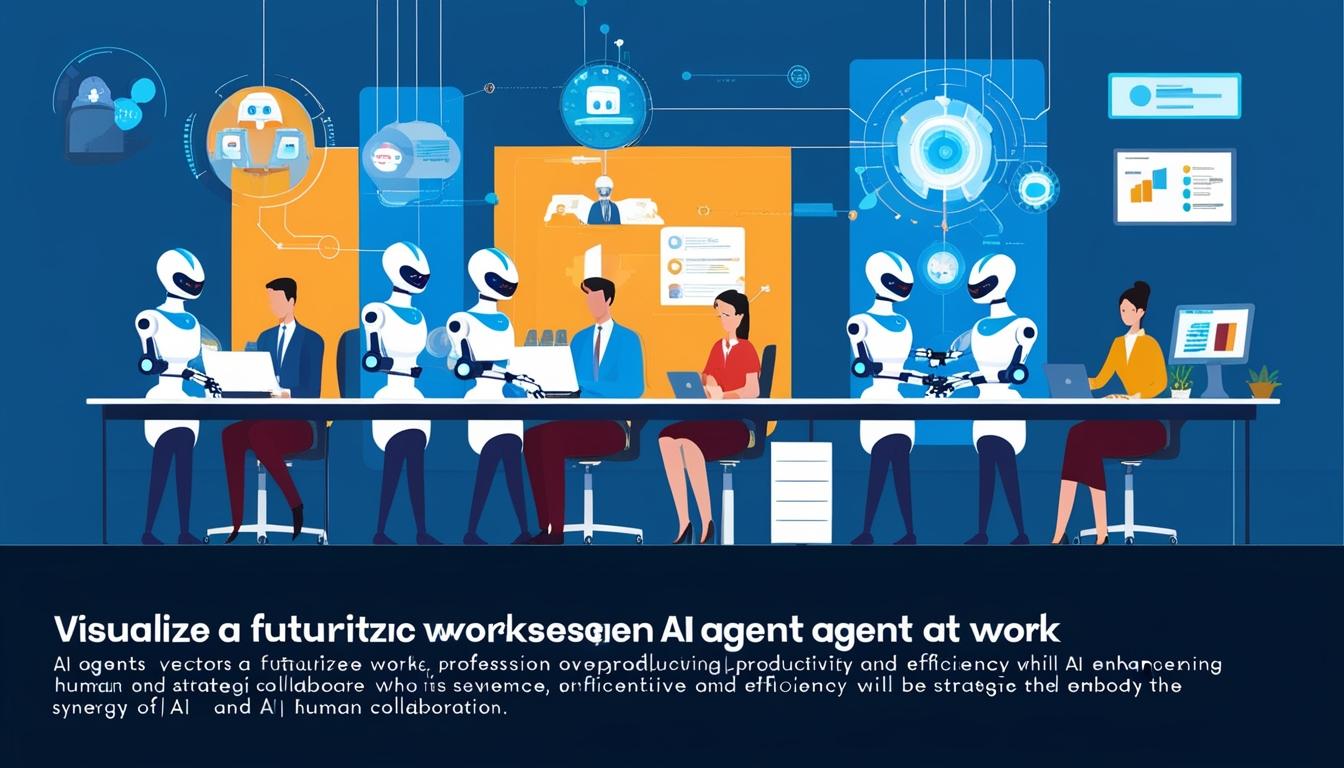
In contrast, a new wave of AI tools, known as AI agents, is beginning to emerge as potentially more impactful. Unlike their generative counterparts, AI agents are designed to perform highly specific tasks within narrowly defined business goals. These agents can streamline tasks such as municipal bond trading or logo design, significantly reducing the time and labour required for these processes. They represent a more specialised application of AI, albeit not as publicly captivating, but with a substantial potential for efficiency gains in specialised roles.
The rise of AI agents could lead to significant organisational changes, redistributing roles traditionally requiring specialised skills. Jobs such as sales engineering or quality assurance could see a transformation in how tasks are approached, with human roles shifting from direct task execution to oversight and quality control of AI-produced work. This is particularly pertinent for roles that exist to bridge gaps between different business functions or manage vast workloads, where AI can handle routine tasks, leaving humans to focus on strategic oversight.
In response to these changes, employees might need to adapt by enhancing their expertise, focusing on niche areas where AI is less likely to replace human intellect entirely. Meanwhile, for business leaders, the integration of AI and automation into organisational operations is becoming increasingly critical. Embracing AI tools can lead to improved productivity and operational efficiency, preparing businesses to evolve alongside advancements in AI technology.
The emergence of AI agents presents both challenges and opportunities. While generative AI may have fallen short of some expectations, the potential for disruption through AI agents is significant. As these technologies continue to develop, both individuals and businesses are encouraged to consider their roles in a future where AI plays a central part in organisational and industry transformation.
Source: Noah Wire Services