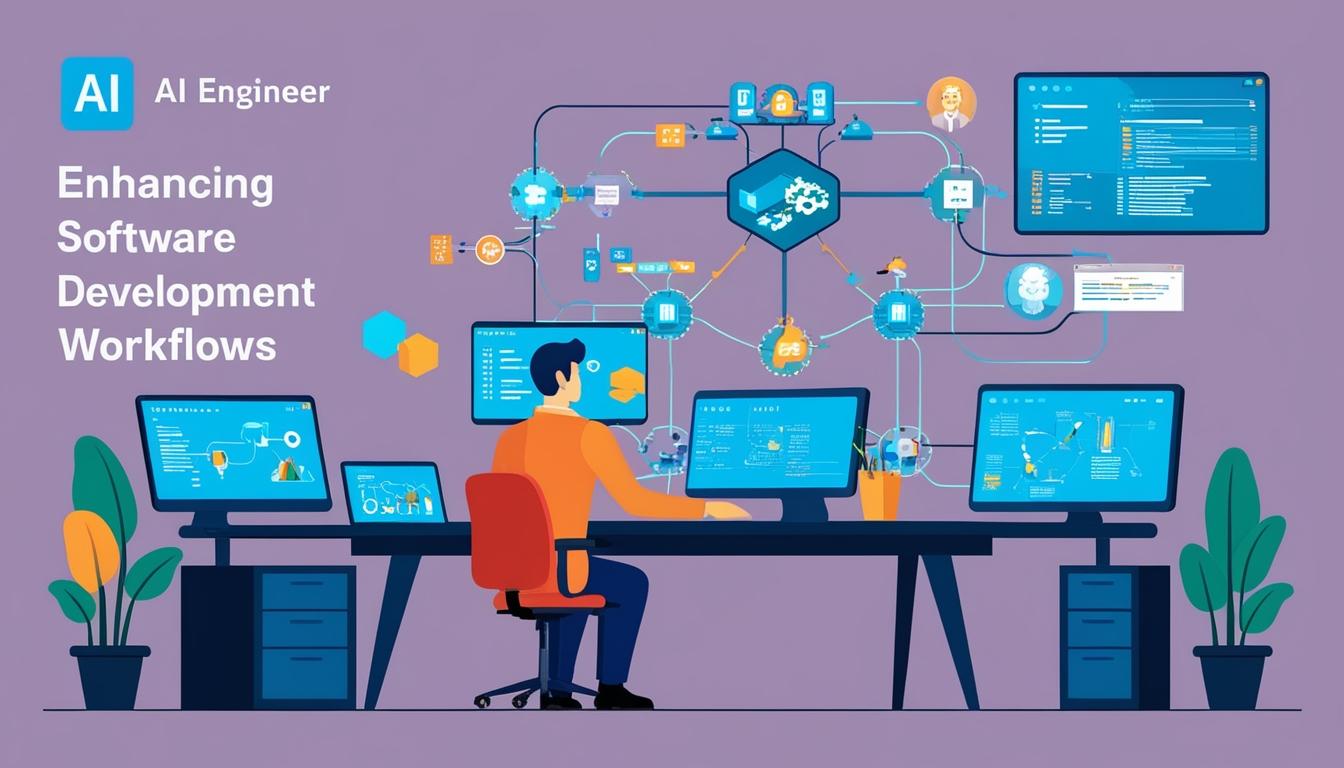
In today's rapidly evolving technological landscape, the integration of Artificial Intelligence (AI) in software development is transforming industry norms and reshaping the future of work. As companies across various sectors adopt AI-driven solutions to optimise their development workflows, the role and responsibilities of software engineers are being redefined, creating potential new job opportunities and necessitating continuous upskilling.
Evolving Job Roles in Software Development
As AI becomes more embedded in development processes, new and more specialised roles are emerging, such as AI engineers and prompt engineers. These roles are essential in bridging the gap between traditional software development and AI-enhanced methodologies, ensuring that AI systems are tailored and optimised effectively. Organisations must clearly delineate the scope and responsibilities associated with these new positions. This clarity enables team members to understand their evolving roles within dynamic organisations and helps leaders set realistic expectations.
The emergence of specialised roles allows developers to broaden their skill sets and take on new challenges, which can significantly enhance their career paths. As the need for continuous learning accelerates in the tech industry, engineers are encouraged to incorporate AI into their daily workflows, which could range from code generation to project management and documentation.
Reskilling and Education: A Continuous Necessity
Continuous reskilling is crucial to unlocking the potential of AI responsibly. Developers, ranging from junior to senior levels, can learn effective prompt engineering techniques and maintain their coding skills. Juniors, in particular, benefit from having AI as an always-on coding partner, which accelerates their growth into more productive team members. As AI-driven changes occur more frequently, expanding even beyond the previous standard of every 18 months to two years, it is imperative for engineering teams to stay abreast of trends and innovations.
Investing in Culture and Leadership
Leadership plays a pivotal role in navigating the AI transformation within organisations. Cultivating a culture of experimentation and learning from failures is essential to drive innovation. Leaders must also address discrepancies in perceptions of AI training provisions, as highlighted by a recent GitLab study which revealed differing views between individual contributors and C-level executives. Effective communication and alignment between leadership and engineering teams are essential for the successful integration of AI technologies.
Impact on Traditional Business Processes
The integration of AI extends beyond software development, offering enhancements across various business domains such as inventory control, customer service, logistics, and financial management. AI systems can optimise processes by analysing large datasets, predicting trends, and making real-time adjustments, outperforming traditional rule-based automation systems that lack adaptability and decision-making capabilities.
Challenges in Implementing AI
Implementing AI does not come without challenges, such as compatibility with legacy systems, skill gaps among personnel, and cost considerations. Addressing these challenges requires strategic planning, effective change management, and a commitment to continuous training.
Hybrid Workplace Onboarding
Meanwhile, the rise of hybrid working models presents new challenges and opportunities for human resources. Organisations must create customised onboarding plans that blend virtual and in-person elements, such as virtual orientations and training sessions, to integrate new hires effectively. Clear communication and a focus on company culture are paramount in this hybrid approach to onboarding, ensuring that new employees feel connected, informed, and aligned with organisational values.
Altogether, the integration of AI in software development and business processes signifies a profound shift that, while challenging, offers numerous opportunities for innovation and enhanced operational efficiencies. As organisations navigate this transition, the emphasis on creating new job roles, fostering continuous learning, and adaptive leadership will be key to thriving in an AI-driven future.
Source: Noah Wire Services