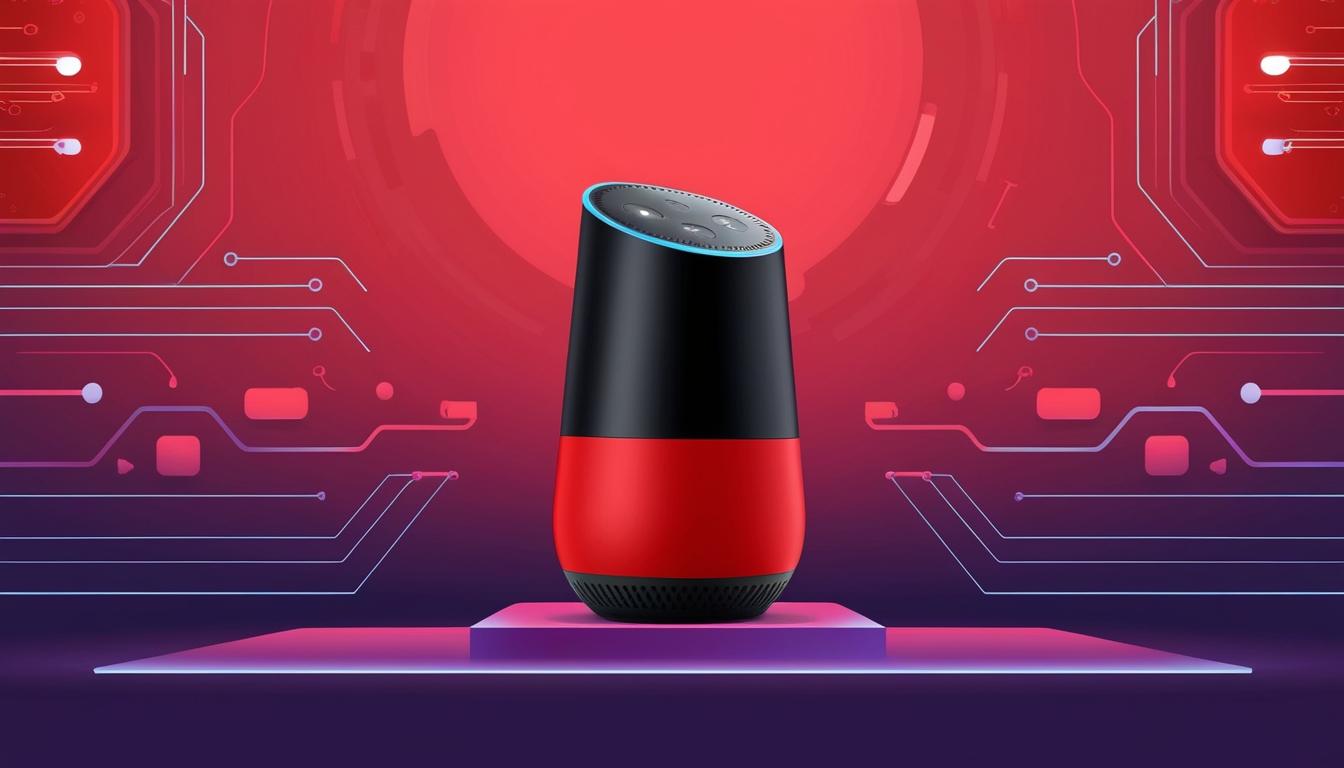
Perplexity, the AI-driven search engine known for its innovative approaches to user queries, is considering a new venture into hardware, as announced by its founder and CEO, Aravind Srinivas. A post on social media platform X revealed his intention to create a simple device priced under $50 that would facilitate voice-to-voice interactions for answering queries reliably. Following a successful engagement that saw the post garner over 5,000 likes, Srinivas confirmed the company would proceed with the initiative, punctuating his excitement with the phrase "LFG!" which stands for "let's f***ing go!"
This push into hardware aligns with a growing trend among high-profile AI startups looking to develop tangible devices. The potential benefits of hardware innovation include enhancing user experience and creating novel interaction paradigms. For instance, in August, Midjourney, an art generation platform, established a dedicated hardware team. Additionally, OpenAI's CEO Sam Altman has been collaborating with Jony Ive, the former chief design officer at Apple, to explore AI hardware possibilities.
However, the transition from software to hardware poses significant challenges. The Rabbit R1, an AI device released in recent years, highlights some of these pitfalls. Despite selling around 130,000 units by June, Rabbit faced difficulties in fulfilling many of the promised features, leading to the availability of discounted units on platforms like eBay.
Similarly, the ambitious venture by Humane, which introduced the Ai Pin as a futuristic wearable device, encountered severe setbacks. Market reception was poor, and safety issues prompted a recall of the product, ultimately resulting in the startup seeking potential acquirers to salvage its position in the industry.
Despite the risks associated with entering the hardware market, Perplexity benefits from a strong financial standing, reportedly nearing a fundraising goal of half a billion dollars. This significant cash reserve could be a crucial factor in navigating the complexities of hardware development. Nevertheless, historical precedents suggest that numerous variables must align for the company to achieve success rather than become another cautionary tale in the tech industry's ongoing evolution. The potential arrival of a Perplexity device in the market signals ongoing interest in integrating AI technology into everyday consumer products, but much depends on the execution and innovation that follows in the coming months.
Source: Noah Wire Services