In 2024, the technology sector experienced a tumultuous landscape marked by innovations, setbacks, and an evolving narrative regarding artificial intelligence (AI) and automation in business practices. The year saw various companies navigating challenges while others capitalised on emerging technologies, reshaping the trajectory of industries.
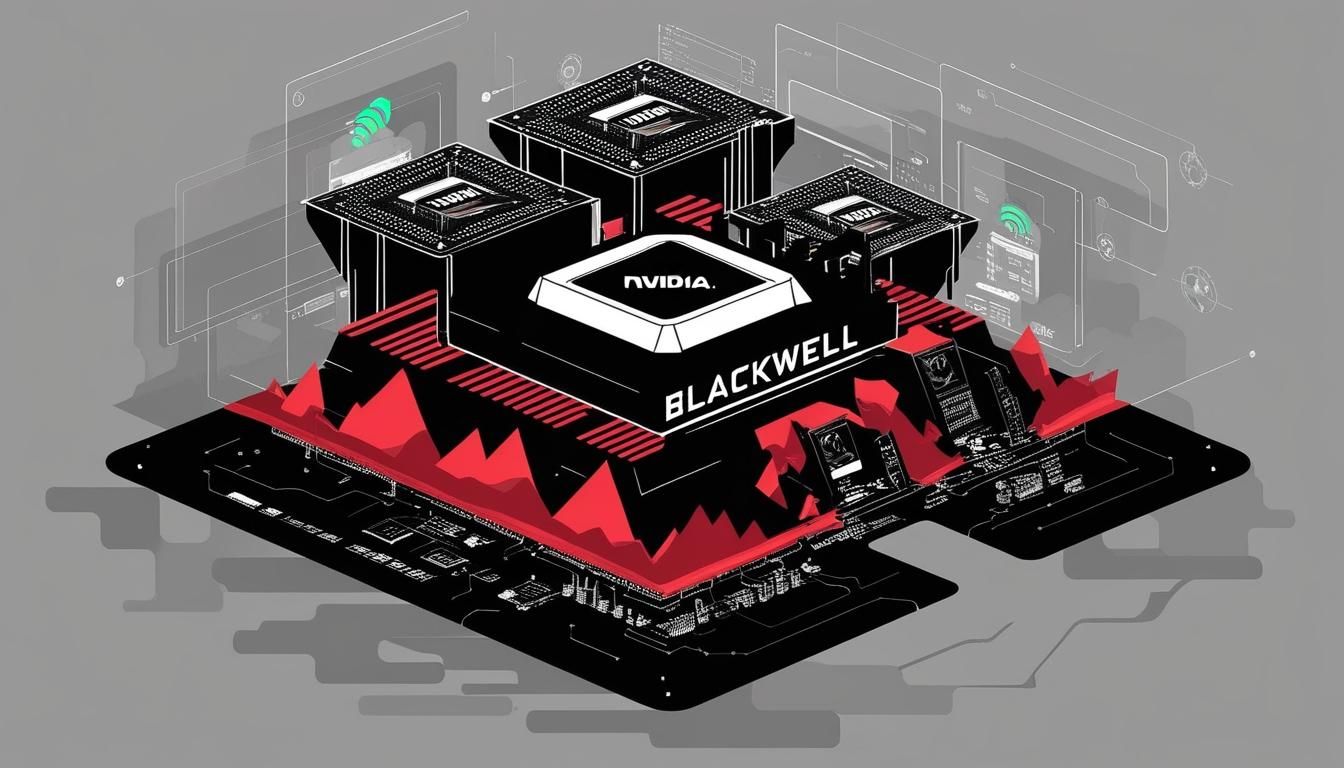
A significant player in the AI arena, NVIDIA emerged as a dominant force, generating substantial revenue and profit, with quarterly sales reaching an impressive $35.1 billion—a 94% increase from the previous year. This success positioned the company firmly as the leading entity within the AI sector. The introduction of Blackwell chips further solidified its status, anticipated to continue selling out into 2025. NVIDIA's developments extended to audio technology with the launch of Fugatto, an AI tool for processing and creating audio content, indicating an expansion into multiple applications of AI and automation.
OpenAI maintained its reputation with its GPT series, which effectively handled tasks ranging from legal documentation to coding assistance, thereby meeting the rising demand for AI-driven solutions in various sectors. Google also sought to reclaim its position in the competitive space with the rebranding of its AI model Bard to Gemini, releasing advanced versions that provided developers with powerful tools to innovate further.
The trend towards open-source models also gained traction in 2024. Frameworks like LLaMA 3 and Falcon enabled unrestricted access for developers, fostering a collaborative environment that thrived despite companies leaning towards proprietary practices. In contrast, attempts by HashiCorp to impose restrictions met backlash, culminating in the emergence of the OpenTofu fork, demonstrating the community's desire for open collaboration in tech development.
In parallel, the field of smart home technology was revitalised through the introduction of the Matter Protocol, which facilitated communication between devices from major corporations like Apple, Google, and Amazon. This advancement marked a significant turning point in creating fully integrated smart home ecosystems, resolving previous issues of application and compatibility across various devices and platforms.
Despite these advances, not all technologies resonated well with consumers. The introduction of AI-powered wearables such as the Rabbit R1 and the Humane AI Pin fell short of expectations, highlighting the notion that not every innovative concept translates into practical utility. Meanwhile, the anticipated Cybertruck from Tesla encountered substantial setbacks, marred by recalls and operational failures that hindered its initial appeal.
The year also witnessed a shift in social media dynamics, with X (formerly Twitter) experiencing a marked decline in user engagement as frustrations grew over policy changes and management decisions. In contrast, the decentralised platform Bluesky gained ground, appealing to users seeking a refuge from the turmoil surrounding X.
Amidst these shifts, major tech companies grappled with the need to redefine their operational practices, particularly in response to workforce dynamics that emerged during the post-pandemic era. Amazon's strict return-to-office mandate prompted significant workforce dissatisfaction and a subsequent talent exodus, showcasing the friction between traditional workplace requirements and evolving employee expectations.
As 2025 approaches, the technology industry remains at a crossroads, characterised by both promising innovations alongside significant challenges. The trajectories of AI automation and emerging technologies will undoubtedly influence business practices, and companies must navigate this unpredictable landscape to sustain growth and relevance in an ever-changing market.
Source: Noah Wire Services